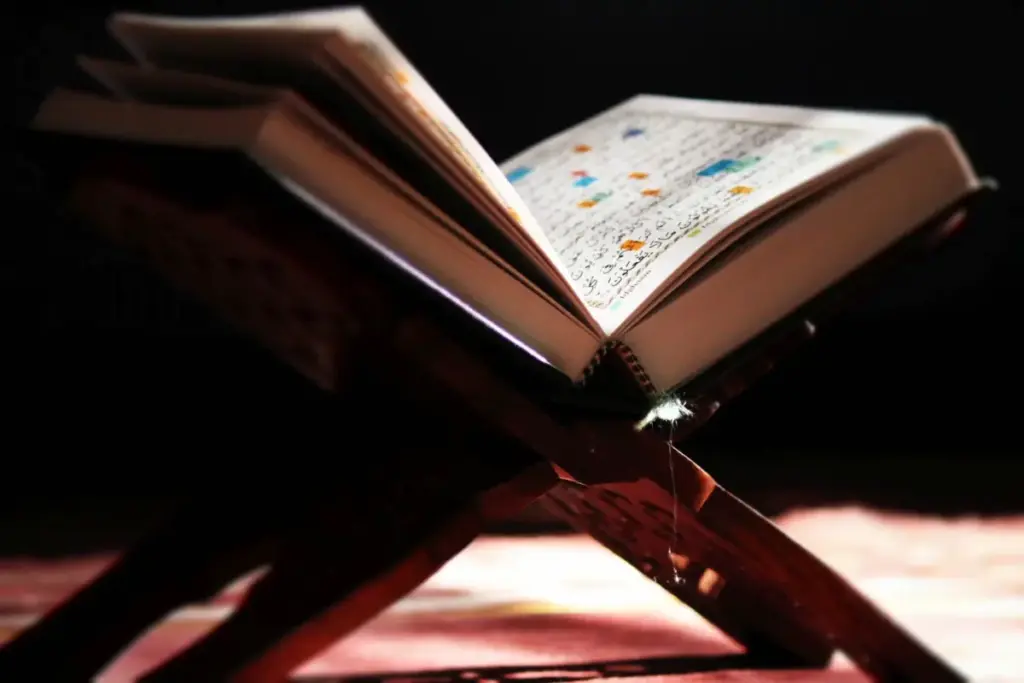
In the latest installment of his widely followed video series, The Eternal Challenge, prominent scholar Sheikh Sohaib Saeed addresses one of the most enduring historical and theological questions surrounding the origins of Islam: Who taught Prophet Muhammad the Quran?
The episode, released on September 16, 2026, tackles long-standing allegations and external claims suggesting that the Prophet of Islam was instructed by human teachers—such as various religious clergymen of the era—or that he simply compiled and quoted passages from previous Abrahamic scriptures. Through careful academic analysis and theological reasoning, Sheikh Sohaib systematically dismantles these assertions, offering viewers a comprehensive look into the divine nature of the Quranic revelation and the historical context of 7th-century Arabia.

The discussion forms a core part of The Eternal Challenge, a multi-part educational and spiritual series hosted on digital platforms, including the Tafsir Doctor channel on Facebook and various Islamic knowledge portals. The series is designed to examine the unique literary, historical, and spiritual dimensions of the Quran, presenting arguments for its divine authorship while addressing critical inquiries from contemporary and historical skeptics alike.
Examining Allegations of Human Authorship
Throughout history, critics of Islam have sought to explain the sudden emergence of the Quran by attributing its contents to human influence. These theories often suggest that Prophet Muhammad, known as an unlettered man (ummi), must have acquired his profound theological knowledge, historical narratives, and legal frameworks from Christian monks, Jewish rabbis, or other scholars living in the Near East.

In this episode, Sheikh Sohaib addresses these claims directly. He emphasizes that the socioeconomic and cultural reality of Prophet Muhammad’s life in Mecca—and later in Medina—contradicts the notion of formal or clandestine instruction by contemporary religious figures. The scholar highlights the linguistic and structural impossibility of a human author, particularly an unlettered individual in 7th-century Arabia, producing a text that fundamentally reshaped theological discourse, legal systems, and literary standards across the region without any historical record of formal tutelage.
Furthermore, the video scrutinizes the theory that the Prophet merely borrowed or plagiarized from earlier scriptures, such as the Torah and the Gospel. Sheikh Sohaib explains that while the Quran shares narrative themes and prophetic figures with earlier Abrahamic traditions, its theological framework, perspective on historical events, and distinct literary style present entirely independent corrections and completions of preceding narratives. Rather than mirroring existing texts, the Quran engages with them from an authoritative, unborrowed standpoint.

The Significance of Prophecy in the Quran
A major focal point of the video is the nature and presence of prophecies within the Quran. Prophecy, defined as foretold news regarding future events that are entirely beyond human calculation or educated guessing, serves as one of the central arguments for the divine origin of prophetic missions.
Sheikh Sohaib discusses how true prophecy requires specific, verifiable outcomes that manifest precisely as predicted, distinguishing it sharply from wise estimations, philosophical forecasts, or political predictions. In the context of the Quran, several historical events and geopolitical outcomes were foretold well before they occurred—such as the eventual victory of the Byzantines over the Persians after a crushing defeat—serving as profound signs for contemporary observers and later generations.
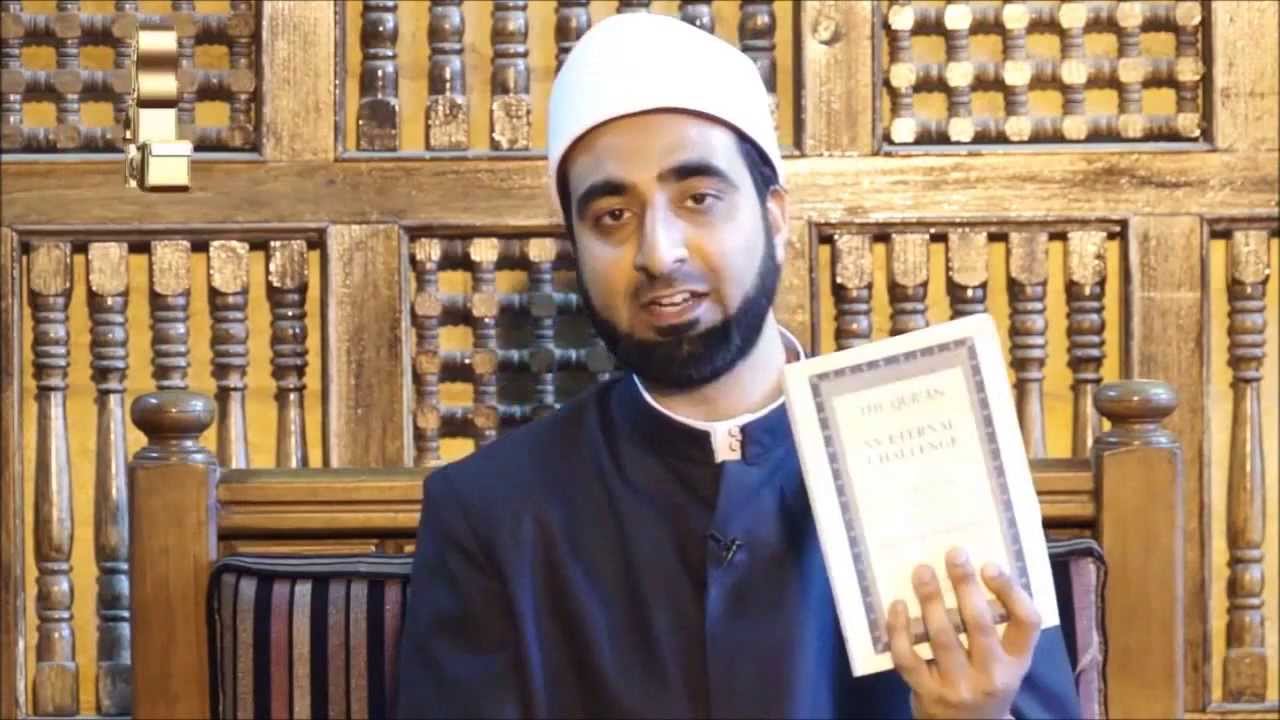
The scholar explains that these predictive elements are not merely rhetorical devices but function as vital proofs for the truthfulness of the Prophet and the divine source of the scripture. By fulfilling predictions that defied the geopolitical and social odds of the time, the Quran established an internal verification mechanism that continues to be a subject of intense study by theologians and historians.
Continuing ‘The Eternal Challenge’ Series
The release of this episode builds upon a broader framework established by Sheikh Sohaib Saeed in earlier installments of The Eternal Challenge. The series has previously explored fundamental inquiries regarding the identity of the Quran, the relationship between the Prophet and the Book of Allah, and the mechanics of revelation.
Earlier episodes in the series have delved into foundational topics, such as defining what the Quran actually is in its historical and spiritual context, exploring the intimate dynamic between the Prophet and the divine text, and addressing the argument of whether the Prophet could have authored the scripture himself. A recurring theme across these discussions is the idea that the Quran shaped the character, mission, and historical legacy of the Prophet, rather than being a product of his own intellectual or literary endeavors.
As digital media continues to play a vital role in religious education and comparative theology, programs like The Eternal Challenge provide structured, accessible resources for audiences seeking deep academic engagement with Islamic jurisprudence, scriptural history, and theology. Through online distribution, scholars like Sheikh Sohaib continue to bridge traditional scholarship with contemporary digital discourse, offering detailed responses to theological questions for global audiences.