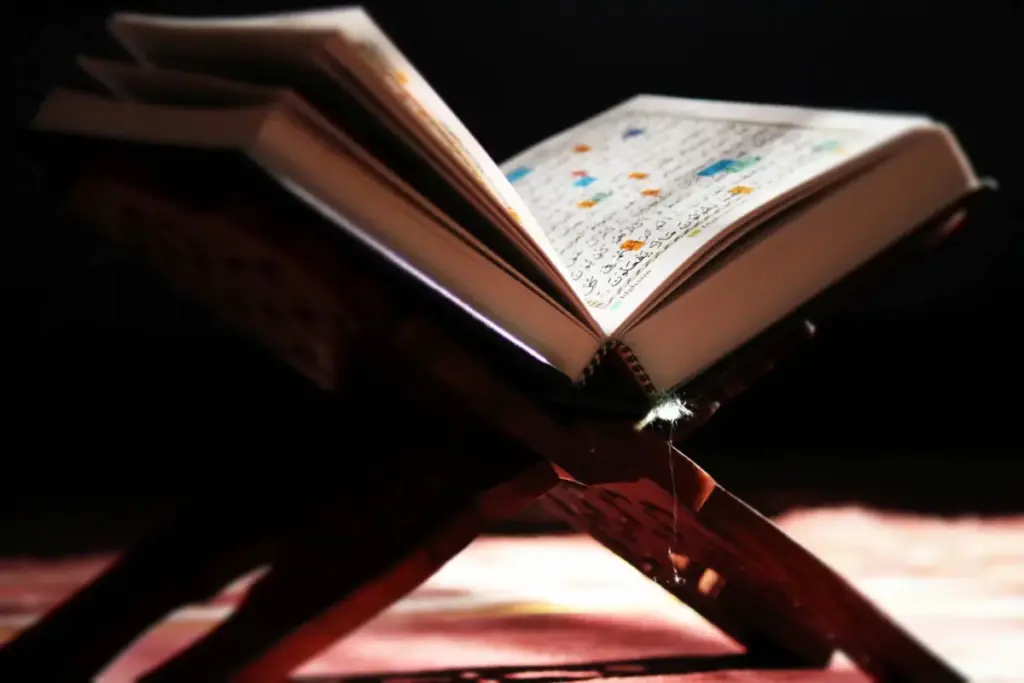
The origins of the Holy Quran and the profound manner in which it was conveyed to humanity have long been subjects of deep theological study, historical inquiry, and spiritual reflection. In a recent installment of his widely followed digital series, The Eternal Challenge, prominent scholar Sheikh Sohaib Saeed addresses one of the most foundational and recurrent questions regarding Islamic history: Who actually taught Prophet Muhammad the Quran?

The episode, broadcast through modern digital platforms and led by Sheikh Saeed—known for his extensive engagement with scriptural studies and contemporary audiences—tackles historical allegations, misconceptions, and external claims regarding the divine source of Islam’s sacred text. By systematically examining traditional critiques and exploring internal scriptural dynamics, the program offers viewers a comprehensive look at how the Prophet received his revelation and why external human influence on the Quran remains an untenable thesis for historians and theologians alike.
Addressing Historical Allegations and External Influences
Throughout history, critics of Islam have attempted to explain the sudden emergence of the Quran in seventh-century Arabia by suggesting human intervention. Among the most common allegations addressed by scholars are claims that various religious figures, monks, or clergymen tutored Prophet Muhammad, or that he compiled and adapted his teachings by quoting from previous Judeo-Christian scriptures.

In this episode of The Eternal Challenge, Sheikh Sohaib Saeed confronts these assertions directly. He provides a detailed analytical breakdown of why such theories fail to align with both the historical context of pre-Islamic Arabia and the internal literary and theological structure of the Quran itself. The Prophet Muhammad was known among his contemporaries as an unlettered man—someone who neither read nor wrote conventional texts. To suggest that a localized merchant in Mecca suddenly produced a linguistic, philosophical, and legal masterpiece without precedent or formal instruction presents severe historical contradictions.
Sheikh Saeed explains that while historical interactions with individuals from diverse religious backgrounds did occur during the Prophet’s life, none of these encounters could account for the vast, comprehensive, and inimitable nature of the Quranic revelation. The scripture introduces unique theological concepts, corrects historical narratives found in earlier traditions, and establishes entirely independent legal frameworks—all delivered with a rhetorical brilliance that stunned the literary giants of contemporary Arabic society.

The Role of Prophecy as a Proof of Truthfulness
Beyond refuting external authorship claims, the video delves deeply into the philosophical and theological concept of prophecy within the Quran, examining how foretold events serve as a vital pillar of the faith. Prophecy, as defined within the discourse, is distinct from an educated guess, a shrewd political prediction, or a wise observation of contemporary trends. True prophecy involves precise foreknowledge of future events that are entirely beyond human calculation or anticipation at the time they are declared.
Sheikh Saeed emphasizes that the fulfillment of prophetic statements found within the Quran acts as one of the primary evidentiary proofs for the truthfulness of the prophetic mission. Throughout the sacred text, various future events—ranging from geopolitical shifts and military victories to profound sociological developments—are outlined with absolute certainty. When these events subsequently unfolded precisely as described, they provided undeniable validation to both the immediate audience of the Prophet and subsequent generations of believers.
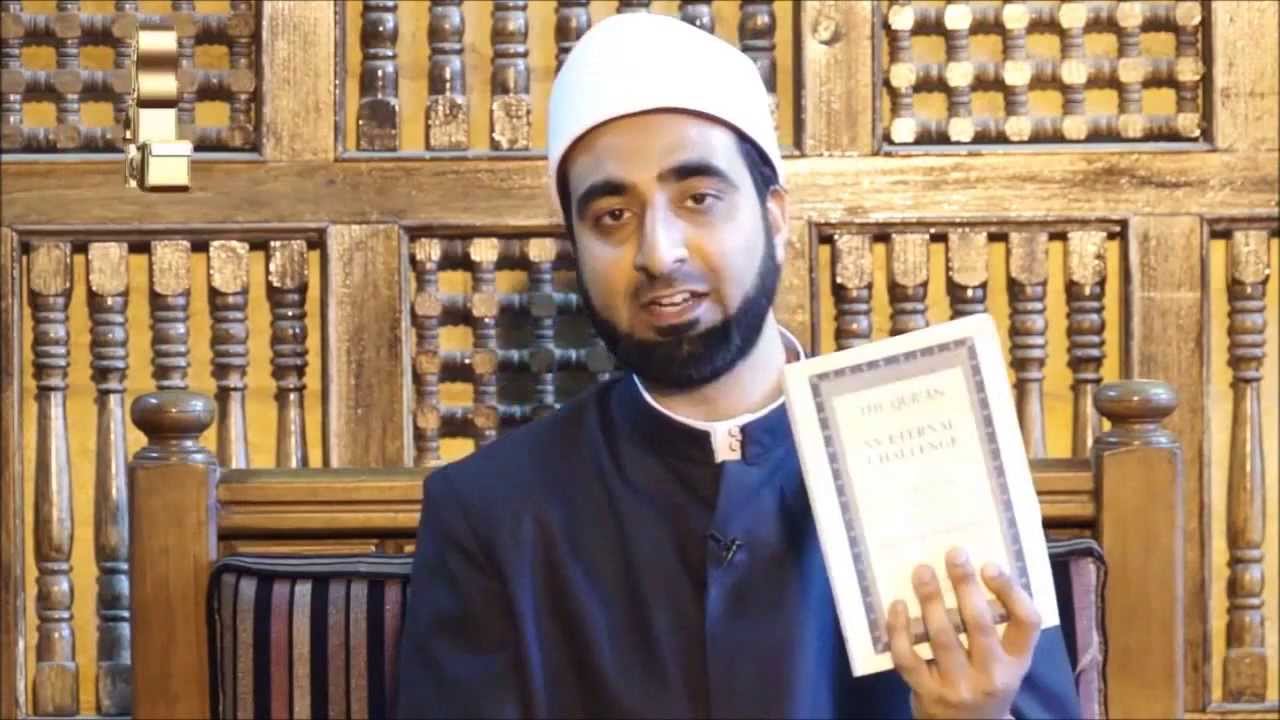
This focus on verification and intellectual inquiry is a hallmark of The Eternal Challenge series, which encourages viewers to engage with the text of the Quran not merely through blind acceptance, but through careful examination of its literary integrity, historical context, and internal consistency.
Continuing the Exploration of the Eternal Challenge
The discussion forms part of a broader educational initiative spearheaded by Sheikh Sohaib Saeed to make complex theological and historical concepts accessible to contemporary audiences worldwide. The Eternal Challenge series has consistently explored the multifaceted nature of the Quran, addressing foundational topics that bridge traditional scholarship with modern intellectual questions.
Previous episodes in the series have explored core themes designed to deepen the public’s understanding of Islam’s holy text. These include foundational discussions on the exact definition and nature of the Quran, the unique dynamic shared between the Prophet and the Book of Allah, and deep explorations into whether the Quran was authored by human intellect. By addressing these themes incrementally, the series builds a cohesive narrative that reinforces the traditional Islamic position: that the Quran is an uncreated, direct revelation from the Divine, preserved meticulously across centuries.
As media platforms continue to broadcast educational content addressing faith and history, programs like The Eternal Challenge offer structured, academic responses to complex theological questions. Through rigorous analysis and a commitment to historical accuracy, scholars like Sheikh Sohaib Saeed continue to provide valuable insights for audiences seeking a deeper understanding of Islamic heritage and the timeless legacy of the Quran.