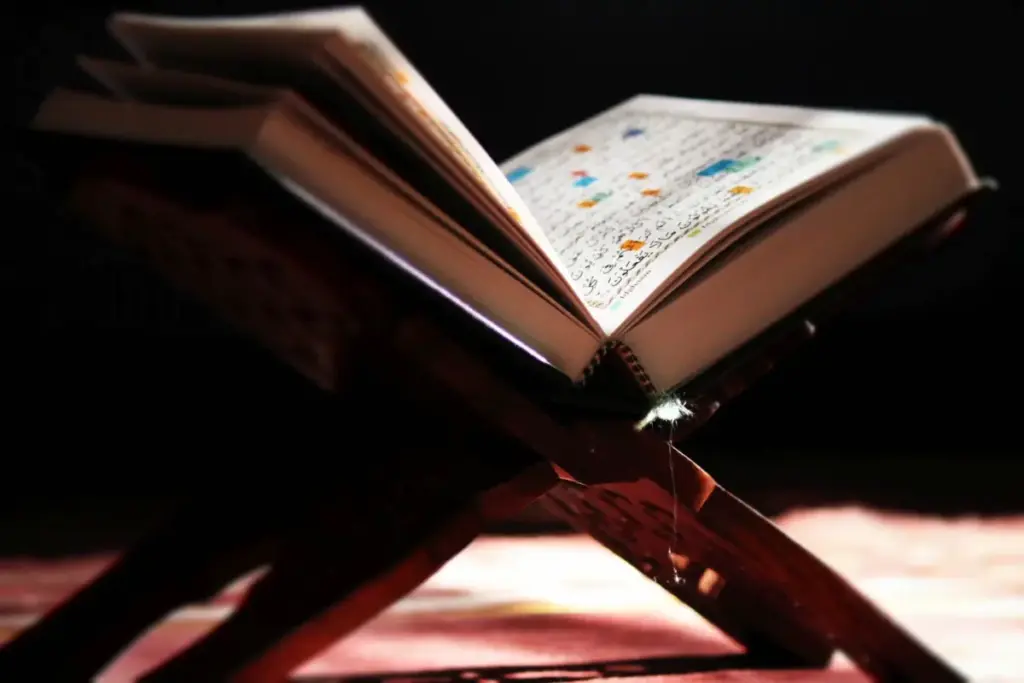
The origins of the Holy Quran and the profound manner in which it was conveyed to humanity have remained subjects of deep study, theological exploration, and historical inquiry for centuries. In a recent episode of his widely followed digital media series, The Eternal Challenge, Islamic scholar Sheikh Sohaib Saeed tackles one of the most foundational and recurrent questions regarding the Islamic faith: Who actually taught Prophet Muhammad the Quran?
Addressing viewers from a rigorous analytical and historical perspective, Sheikh Saeed systematically deconstructs long-standing allegations and external claims suggesting that the Prophet of Islam was instructed in the scriptures by human teachers, such as Christian or Jewish clergymen of the era, or that he merely compiled and quoted material from earlier religious traditions. Through a detailed examination of historical contexts, textual integrity, and theological proofs, the episode offers a comprehensive look into the divine nature of the Quranic revelation.

The discussion forms part of an ongoing broader exploration into the authenticity, linguistic miracle, and preservation of Islam’s holy text. By confronting external criticisms head-on, the series aims to provide both believers and academic inquirers with a deeper understanding of how the Quran was transmitted and why its origins transcend human authorship.
Addressing Historical Allegations and Human Authorship
Throughout history, critics of Islam have sought to explain the sudden appearance of the Quran in 7th-century Arabia by proposing various human influences behind Prophet Muhammad. Some traditional and modern polemicists have argued that the Prophet must have acquired his knowledge from foreign scholars, traveling monks, or Judeo-Christian scribes residing in or passing through the Arabian Peninsula.

In this episode of The Eternal Challenge, Sheikh Sohaib Saeed challenges these assertions directly. He points out that the historical reality of the Prophet’s environment—an illiterate society largely dominated by oral poetry and pagan traditions—makes the sophisticated theological, legal, and historical narratives contained within the Quran impossible to attribute to conventional education or tutoring. Furthermore, the Quran itself directly addresses and refutes these very accusations, emphasizing the unlettered (ummi) status of Prophet Muhammad as a testament to the divine source of his message.
Sheikh Saeed elaborates on the mechanics of the revelation, explaining that the interaction between the angel Gabriel and the Prophet was entirely transcendent. The arguments presented in the video reinforce the traditional Islamic consensus that the Quran was communicated directly by God, bypassing any human intermediaries or external academic instruction.
The Role of Prophecies in Establishing Truthfulness

Beyond addressing the origins of the text, the video shifts focus to a critical element of scriptural authenticity: the presence of authentic prophecies within the Quran. Prophecy, as defined within the theological framework discussed by Sheikh Saeed, goes far beyond an educated guess, a fortunate prediction, or a stroke of geopolitical wisdom. True prophecy involves foretold news regarding specific future events that are entirely beyond human calculation or foresight.
In scholarly discourse, the fulfillment of these prophecies serves as one of the most vital empirical and spiritual proofs for the truthfulness of a prophet’s mission. The Quran contains numerous references to future occurrences—ranging from geopolitical shifts in the ancient Near East, such as the eventual victory of the Byzantines over the Persians, to more subtle signs concerning the expansion of the faith and human sociology. Sheikh Saeed highlights how these predictive elements function as an ongoing challenge to skeptics, reinforcing the claim that a text containing accurate foreknowledge of unseen future events must originate from an all-knowing Creator rather than a human author attempting to navigate the uncertainties of 7th-century politics.
Continuing the Exploration of the Eternal Challenge
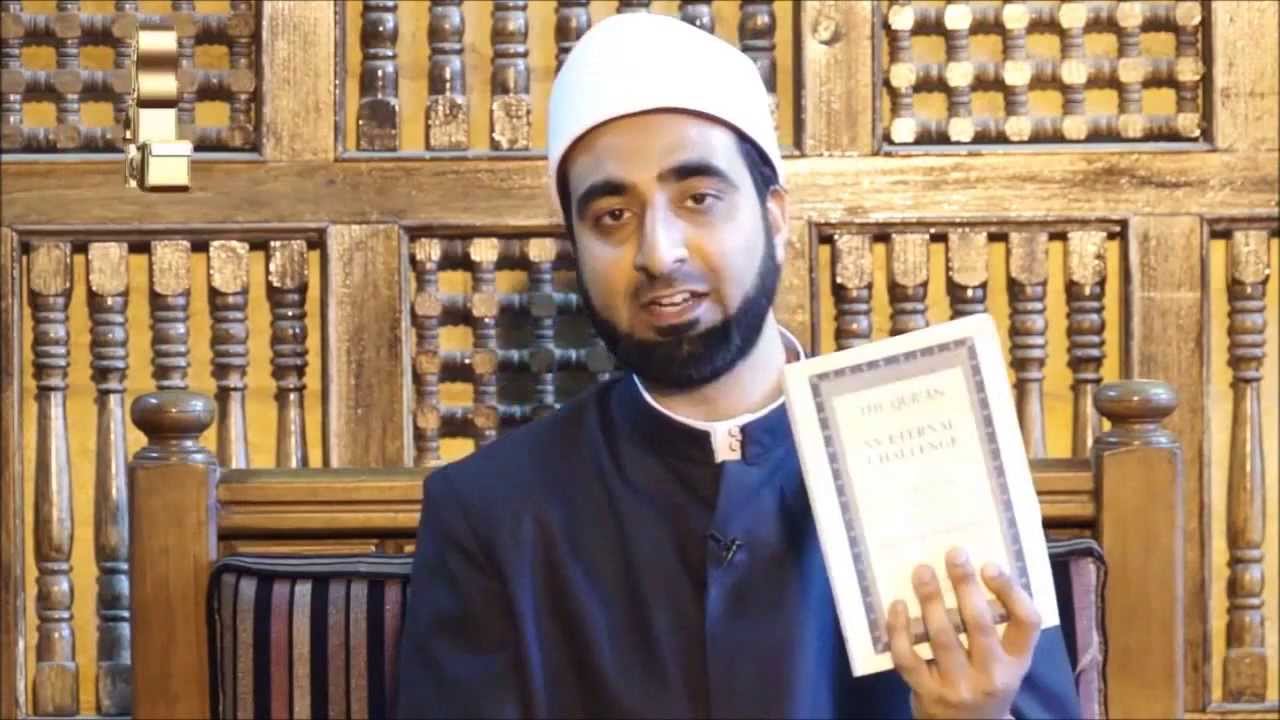
The ongoing series hosted by Sheikh Sohaib Saeed continues to draw significant attention across digital platforms, serving as an educational resource for individuals seeking structured, scholarly engagement with Islamic theology. By breaking down complex historical and theological topics into accessible episodes, the program addresses fundamental questions about the nature of the Islamic scripture, the identity of the Prophet, and the intellectual foundations of the faith.
As the series progresses, episodes such as this one provide viewers with nuanced responses to both classical and contemporary critiques. Through a careful blend of historical context, linguistic analysis, and theological reasoning, The Eternal Challenge seeks to reaffirm the traditional Islamic understanding of the Quran not merely as a historical document, but as a living, transcendent miracle addressed to all of humanity across time.