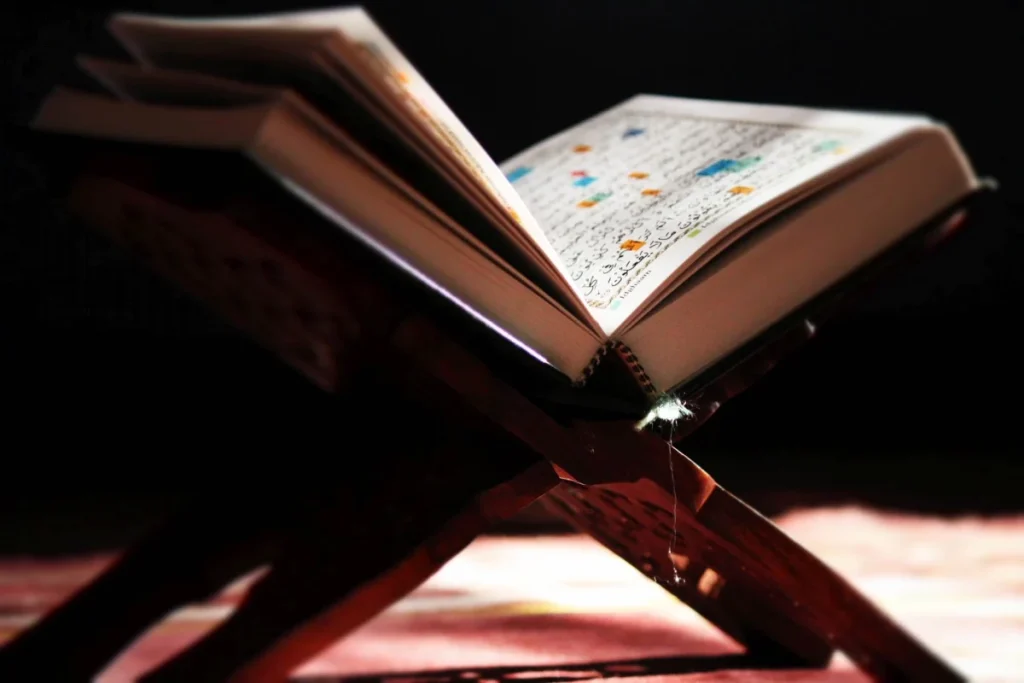
The question of how the Quran originated and who instructed Prophet Muhammad remains one of the most thoroughly examined subjects in Islamic studies. In a recent installment of his widely followed video series, The Eternal Challenge, prominent scholar Sheikh Sohaib Saeed addresses this pivotal inquiry, offering a detailed analysis of the historical and theological arguments surrounding the source of the Islamic scripture.

Addressing viewers from a critical and academic perspective, Sheikh Sohaib confronts long-standing allegations and historical claims suggesting that the Prophet Muhammad was tutored by various religious figures, clergymen, or scholars of past traditions, or that he simply compiled and quoted narratives from previous scriptures. Through the episode, the scholar systematically examines these assertions, contrasting them with historical context, the nature of the text itself, and the unique circumstances of seventh-century Arabia.
The discussion forms part of a broader exploration into the divine nature of the Quran, a text that Muslims believe was revealed directly by God to the Prophet Muhammad through the Angel Gabriel. By unpacking the mechanics of revelation and the cultural milieu of the time, the series aims to provide viewers with a deeper understanding of the intellectual and spiritual challenges faced by early Islam.

Beyond addressing the question of human tuition, the episode delves deeply into the phenomenon of prophecy within the Quran, examining how foretold events serve as a cornerstone for verifying the authenticity of prophetic missions. According to the analysis presented in the series, genuine prophecy involves precise foreknowledge regarding future events, setting it entirely apart from educated guesses, wise philosophical deductions, or probabilistic forecasts made by astute observers.
In religious scholarship, prophecy is frequently cited as a vital proof for evaluating the truthfulness of those who claim divine communication. The episode explores specific instances of prophecies recorded within the Quran, analyzing their fulfillment and their implications for theological discourse. By establishing the distinct boundary between human speculation and divine foresight, the program highlights how these elements function as internal evidence within the Quranic text, inviting critical reflection from both believers and academic inquirers.

Sheikh Sohaib’s ongoing series has consistently focused on demystifying the theological and linguistic dimensions of the Quran, presenting complex scholarly debates in an accessible format for contemporary audiences. Previous episodes in The Eternal Challenge have explored fundamental concepts regarding the identity of the Quran, the relationship between the Prophet and the divine text, and the structural integrity of the scripture.
Among these foundational discussions, earlier installments have investigated the core definition of the Quran as an unmitigated linguistic and spiritual phenomenon, examining why it is viewed in Islamic tradition as an inimitable miracle. Other segments have focused closely on the dynamic between the Prophet and the Book of Allah, tackling complex notions of authorship, revelation, and reception. Rather than viewing the Prophet as a passive transmitter devoid of context, these discussions emphasize how the monumental text shaped the mission, character, and legacy of Muhammad, famously positing that the Quran shaped the Prophet rather than the Prophet fabricating the Quran.
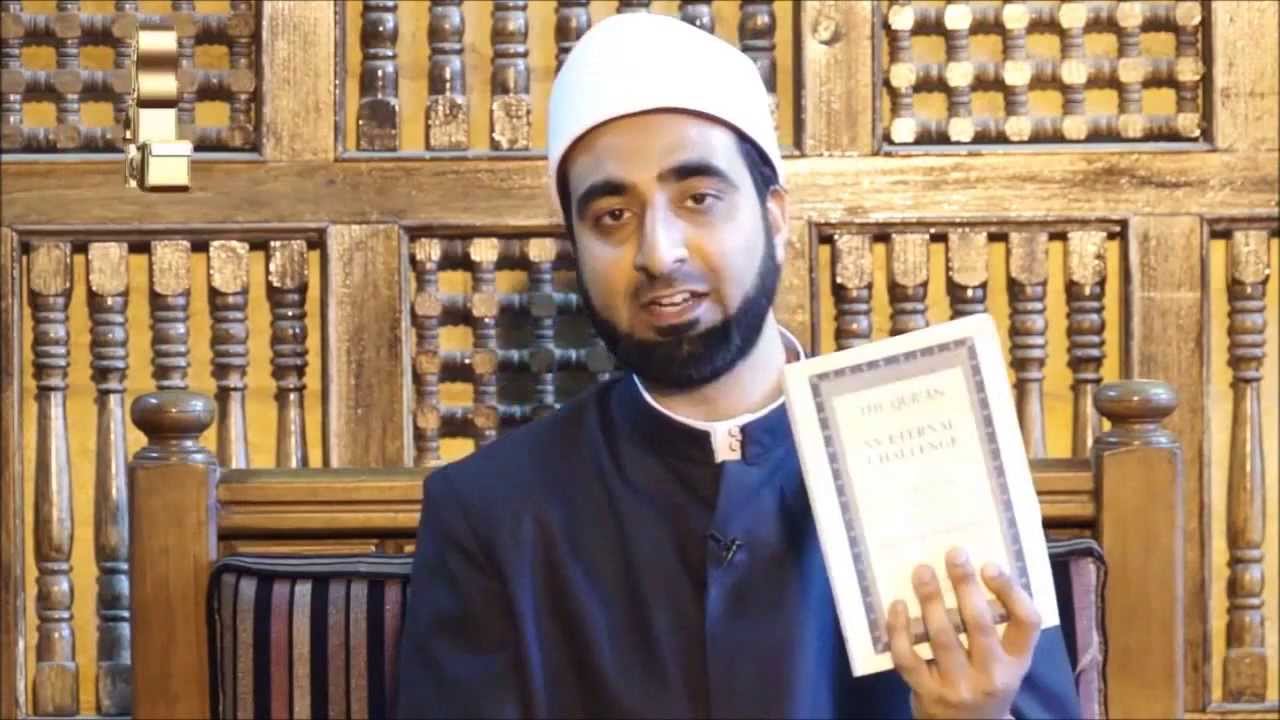
The release of this latest episode continues a comprehensive media initiative by scholars and educational platforms to engage global audiences with rigorous academic defenses of Islamic theology. By combining historical inquiry with textual analysis, The Eternal Challenge series continues to serve as an important resource for students of religion, researchers, and individuals seeking a nuanced understanding of Islamic history and the foundational texts of the faith.