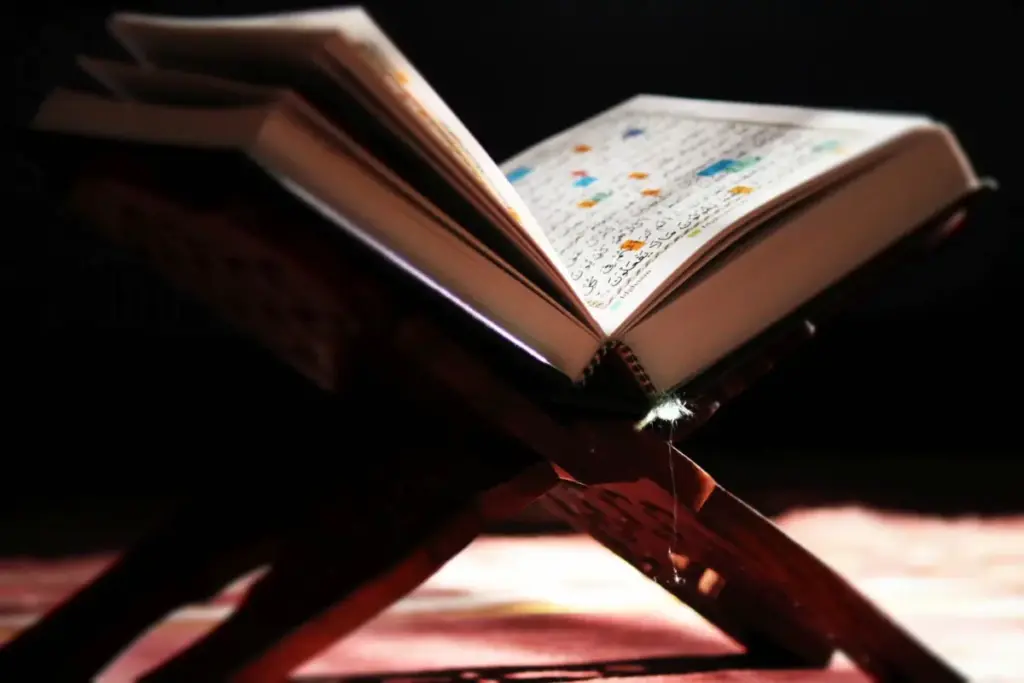
The question of the true origins of the Quran and the source of Prophet Muhammad’s profound teachings has long been a subject of theological study, historical inquiry, and interfaith discussion. In a recent installment of the widely followed "Eternal Challenge" video series, prominent scholar Sheikh Sohaib Saeed directly confronts these inquiries, offering a detailed analysis of traditional allegations and historical claims surrounding the revelation of Islam’s holy text.

Addressing viewers from a platform dedicated to deep academic and spiritual exploration, Sheikh Sohaib tackles persistent historical claims that suggest Prophet Muhammad was instructed by external human sources, such as contemporary religious scholars or clergymen, or that he merely compiled and quoted material from earlier Abrahamic scriptures. Through careful examination, the scholar dismantles these narratives, presenting traditional Islamic perspectives alongside logical and historical counterarguments designed to clarify the unique nature of the Quranic text.
The episode forms part of a broader educational initiative by Sheikh Sohaib, who uses the "Eternal Challenge" series to break down complex theological concepts for contemporary audiences. By examining how the Quran presents itself and how early history records its emergence, the series invites viewers to reflect on the textual integrity, linguistic brilliance, and spiritual depth of the scripture that defines Islamic faith and practice.

A central theme of the current episode focuses on the concept of prophecy within the Quran, distinguishing divine foretelling from ordinary human speculation. According to the discussion, genuine prophecy involves precise, foretold information regarding future events that extends far beyond the bounds of educated guesses, wise political forecasts, or sociological predictions. Within classical theology, these verified prophecies serve as critical internal evidence and vital proofs for the truthfulness and authenticity of a prophet’s mission. By highlighting specific examples within the Quran, the video underscores how these elements reinforce the divine origin claimed by the text itself.
The exploration of these themes builds upon a rich archive of content previously established by Sheikh Sohaib in the "Eternal Challenge" series. Earlier episodes have similarly sought to engage viewers with foundational questions about the nature of the scripture and its relationship with the Prophet of Islam.

In the opening installment of the series, titled "The Eternal Challenge: What is the Quran?", the scholar introduces audiences to the overarching literary and spiritual magnitude of the text, exploring why it has challenged linguistic experts and skeptics alike for centuries. This foundational episode sets the stage for deeper inquiries into how the book interacts with human history and language.
Subsequent installments, such as "Eternal Challenge: Prophet and Book of Allah," delve further into the symbiotic relationship between the final messenger of Islam and the revelation he received. These segments examine the historical context of 7th-century Arabia, analyzing the socio-political environment in which the Prophet lived and the dramatic impact the Quranic verses had on both his personal life and the broader community around him.
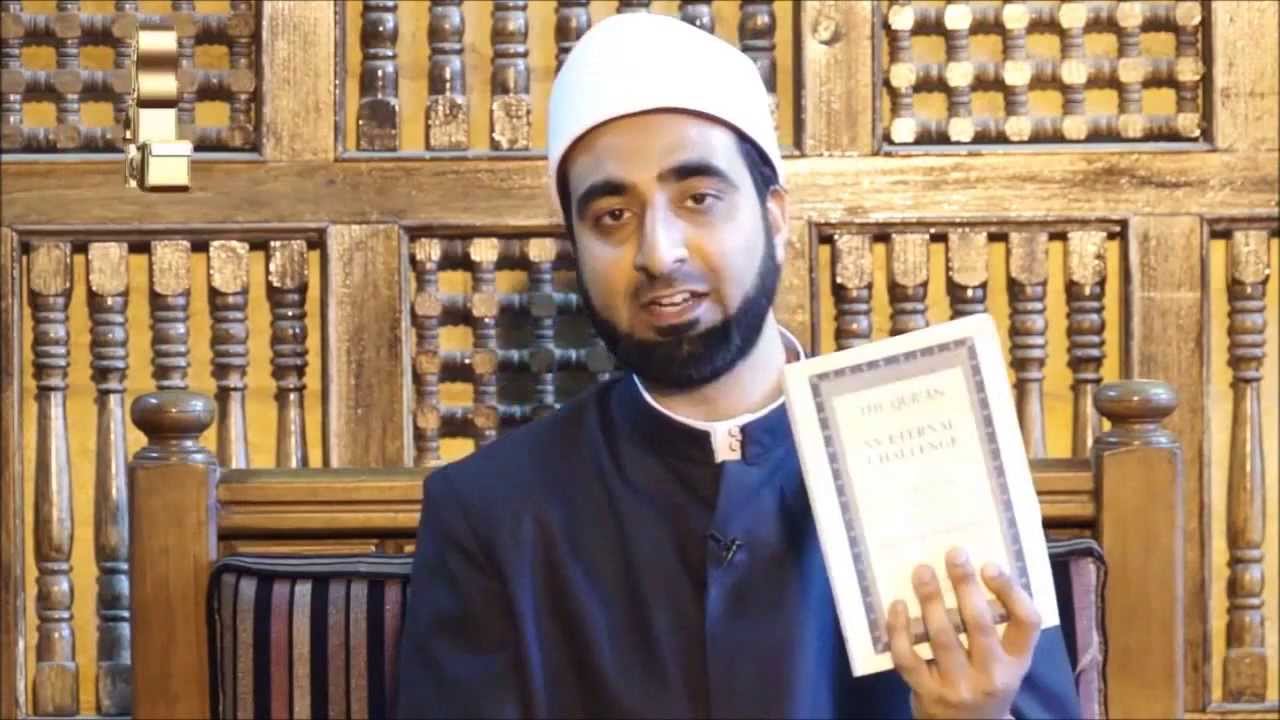
Continuing this trajectory, the episode titled "The Prophet Didn’t Make Quran—Rather, Quran Made Him" addresses another common line of questioning among critics regarding whether the Prophet authored the text himself. Sheikh Sohaib argues that the psychological, literary, and historical realities of the Prophet’s life preclude the possibility of human authorship. Instead, the narrative frames the scripture as a transformative force that shaped the character, mission, and legacy of the Prophet Muhammad, rather than being a product of his own creative or intellectual output.
Through this ongoing series, Sheikh Sohaib Saeed continues to provide audiences with structured, academically grounded responses to complex theological questions. By combining traditional textual analysis with clear explanations of core concepts like prophecy and revelation, the program aims to foster a deeper understanding of Islamic history and scripture for viewers around the world.