A child’s well-being is shaped not only by the formal services and institutional support they receive, but equally by the intangible fabric of beliefs, interpersonal relationships, and community networks that surround them. Across diverse cultural and geographical contexts, faith serves as a foundational pillar influencing social norms, parenting practices, community responses, and the overarching framework of child protection.
Recognizing this profound reality, international humanitarian organizations recently converged for a vital digital discussion titled "Engaging with Faith Actors: Why Does it Matter?" Hosted jointly by Islamic Relief, the Alliance for Child Protection in Humanitarian Action, and Arigatou International, the event brought together practitioners, faith actors, and child protection professionals from around the globe. The primary objective was to explore the intricate and vital intersection between faith traditions and modern child protection frameworks. Bushra Rehman, Islamic Relief’s child protection and inclusion advisor, has been at the forefront of championing why engaging with this topic is not merely optional, but essential for modern humanitarian outcomes.
Why This Conversation Matters on a Global Scale
For billions of people across the globe, faith is an inseparable component of personal and communal identity, providing core values, moral guidance, and deep psychological resilience. In many societies, particularly during times of acute crisis, sudden displacement, or chronic uncertainty, faith leaders are among the most trusted and influential figures within their communities. Because of their moral authority and proximity to the population, these leaders occupy a unique position. They can play a critical role in actively promoting children’s rights, strengthening vulnerable family and community support systems, and preventing various forms of violence against children.
At the same time, engaging with faith actors within the realm of child protection requires a thoughtful, nuanced, and sensitive approach. While faith can serve as an exceptionally powerful catalyst for positive social change, humanitarian workers must acknowledge that certain harmful practices are occasionally justified through misinterpretations of cultural or religious traditions. Navigating these delicate dynamics makes constructive, respectful engagement with faith actors indispensable for advancing sustainable child protection outcomes and ensuring the long-term safety of minors.
Inside the Global Collaborative Event
The high-level webinar convened a diverse group of participants representing Islamic Relief, Arigatou International, the Alliance for Child Protection in Humanitarian Action, and the International Network for Engaged Buddhists (INEB). This broad coalition underscored the universal relevance of faith engagement across different religious traditions and institutional mandates.
The event commenced with opening reflections delivered by Hani Mansourian, Director of the Alliance for Child Protection in Humanitarian Action. Mansourian outlined why faith matters deeply for both child protection and broader humanitarian operations, setting a collaborative and analytical tone for the subsequent discussions.
Following the introductory remarks, brief presentations were delivered by representatives from Islamic Relief and Arigatou International. These segments offered a valuable platform for organizations to share empirical learning experiences and reflect on divergent yet complementary approaches to engaging faith actors in support of children’s holistic well-being and safety. Speakers highlighted key operational frameworks, practical tools, and hard-earned lessons from their field missions. A central consensus emerged from these exchanges: there is no single, uniform blueprint for faith engagement. Instead, effective practice must be organically shaped by local contexts, specific faith traditions, pressing community needs, and rigorous child protection objectives.
A particularly illuminating aspect of the webinar was the opportunity for participants to learn directly from the field experiences of Islamic Relief Mali and the International Network of Engaged Buddhists. Representatives from INEB detailed their ongoing work promoting child well-being through faith-informed approaches deeply rooted in Buddhist values, ethics, and teachings.
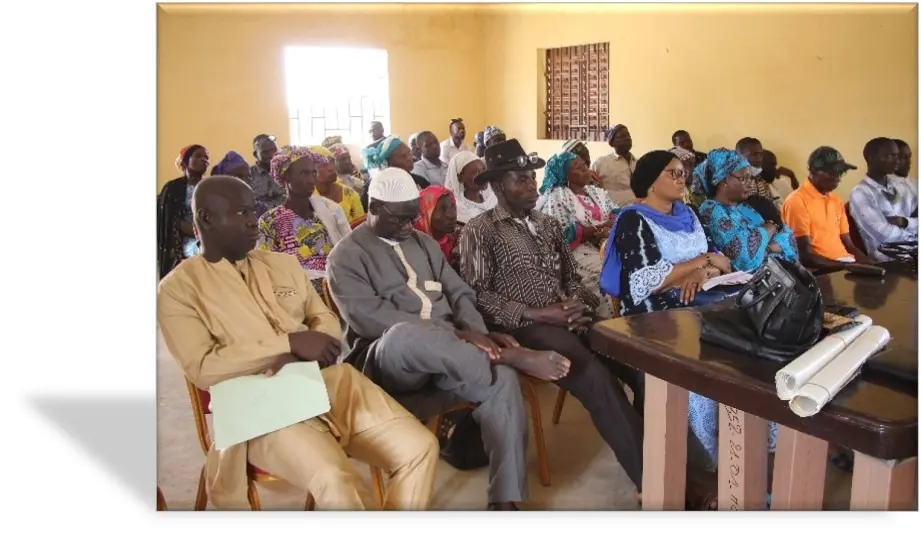
Simultaneously, Islamic Relief Mali presented its extensive experience utilizing the "Channels of Hope" methodology. This specialized approach is deployed to engage faith leaders and grassroots communities in critical conversations surrounding child protection issues. The presentation provided concrete evidence demonstrating how trusted religious figures can leverage their moral standing to advocate for children’s rights, actively challenge harmful social norms, and encourage transformative positive behavior change within their congregations.
Together, these distinct organizational examples illustrated a broader truth. Although religious traditions, doctrines, and local contexts vary widely across the globe, faith actors consistently share a unique capacity to influence public attitudes, build deep community trust, and mobilize populations around the vital cause of protecting children from harm.
Implications for the Broader Child Protection Sector
The insights shared during the "Engaging with Faith Actors" event reinforced a simple yet fundamental message for humanitarian professionals: effective child protection requires engaging honestly with the lived realities of children’s lives.
Faith is an undeniable daily reality for millions of children, their caregivers, and their surrounding communities. To ignore its profound influence is to risk overlooking one of the most powerful, organic sources of protection, resilience, and positive social change available at the grassroots level. By working collaboratively alongside faith actors and organized faith communities, child protection practitioners can significantly strengthen community ownership over welfare programs, broaden the geographic and cultural reach of essential protection messages, and support much more sustainable, long-term change.
Nevertheless, meaningful engagement cannot occur without deep collaboration, mutual respect, and an unwavering commitment to universally recognized children’s rights. Organizers emphasized that faith engagement must never replace established child protection principles or legal standards. Instead, it must serve to complement, reinforce, and amplify efforts designed to keep children safe from abuse, exploitation, and neglect.
Looking Ahead to Future Collaboration
The extensive discussions demonstrated conclusively that faith and child protection do not need to exist as separate, disconnected conversations. When approached with openness, cultural sensitivity, and strategic intent, they can work harmoniously to strengthen children’s overall well-being, protect them from various forms of harm, and support communities in creating safer, nurturing environments where every child has the opportunity to thrive.
Through continued global dialogue, shared institutional learning, and hands-on practical collaboration, the child protection sector can gain a deeper understanding of how faith actively contributes to achieving their shared overarching goal: safeguarding children and promoting their fundamental rights and welfare.
As an immediate next step following the successful event, Islamic Relief plans to develop a comprehensive technical note dedicated to engaging with faith actors. This upcoming resource will contribute directly to ongoing institutional learning within the organization and provide vital support to frontline practitioners seeking to engage religious leaders in ways that remain strictly rights-based, contextually appropriate, and resolutely focused on positive outcomes for children.