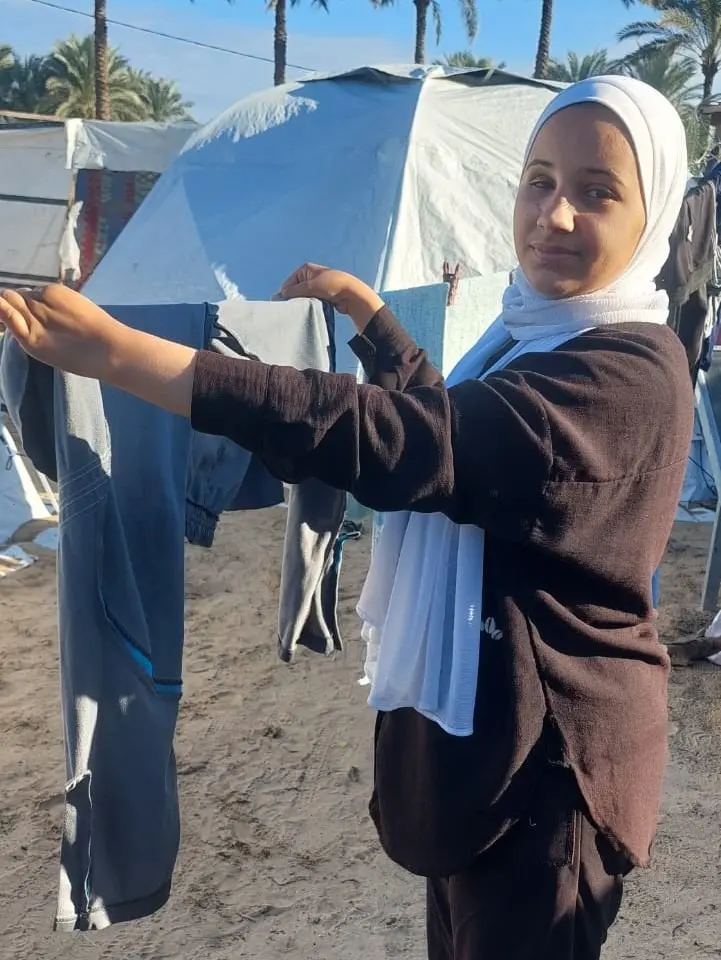
A year has passed since a fragile ceasefire came into effect, yet the daily reality on the ground in the Gaza Strip remains marked by profound devastation, making it arguably the most dangerous place in the world to be a child. The echoes of intense conflict reverberate not only through the crumbling infrastructure and densely populated tent camps, but deeply within the bodies and minds of a generation that has known little else than displacement and loss. Amidst this ongoing humanitarian crisis, humanitarian initiatives like Islamic Relief’s Orphan Sponsorship Programme have proven to be an indispensable lifeline for children and families struggling to survive against overwhelming odds.
According to data compiled by the World Health Organization (WHO), nearly 42,000 people in Gaza have suffered life-changing injuries as a direct result of the escalation and conflict. Among these staggering figures, children bear a disproportionate and heartbreaking burden, accounting for one in every four injuries recorded. Behind these statistics are individual human stories of shattered futures, families uprooted from their ancestral homes, and a relentless daily struggle for basic survival, dignity, and psychological healing.
Ten-year-old Yasmeen knows this harsh reality all too well, having lived a lifetime of trauma before even entering her adolescence. When she was just an infant, her world was upended by the sudden death of her father, who suffered a fatal heart attack. Deprived of a father’s guidance and financial security, Yasmeen and her family were thrust into extreme vulnerability. As the years progressed, their struggles multiplied exponentially. When the military assaults on Gaza intensified, the family was forced to flee their family home, abandoning everything they owned. Today, they live crammed inside a worn-out tent, enduring daily explosions, relentless displacement, and the biting elements of changing seasons.
During the height of Israel’s assault on Gaza, Yasmeen suffered a catastrophic injury to her right eye. Despite medical interventions, the damage was permanent, leaving her visibly scarred and profoundly altering her self-image. The physical trauma quickly compounded into social and educational isolation. Yasmeen has been entirely unable to return to school, driven away not only by the complete lack of operating schools or temporary educational centers in her vicinity, but also by an overwhelming sense of self-consciousness and psychological distress.
“I wish I had died rather than look like this,” Yasmeen shares, her words reflecting a depth of despair that no child should ever have to harbor. “Every day I sit and grieve for myself and cry. I’ve become such a burden on my mother and my siblings. I used to help my mother with cleaning and organising, but I can’t anymore because of my injury. I tell myself it was my fate to be injured inside the tent that sheltered us.”
The Psychological Impact of Violence
The physical wounds visible across Gaza are matched, and often overshadowed, by a deep-seated psychological trauma that threatens to last a lifetime. International monitors and humanitarian observers have repeatedly warned that the mental health crisis among the enclave’s youth is unprecedented in its scale and severity.
According to assessments by the United Nations, the mental harm inflicted upon children in Gaza has become fundamentally intergenerational. It has produced a distinctive and harrowing condition described as an “occupied psyche,” an environment in which the basic human freedoms to play, imagine, hope, and develop a stable, healthy personal identity have been systematically eroded by years of blockade, violence, and uncertainty.
This profound psychological toll is starkly evident in Yasmeen’s daily demeanor, a heartbreaking transformation that her mother, Heba, witnesses and carries with agonizing grief. “Losing her father was hard, but seeing my daughter broken like this is even harder,” Heba explains, her voice heavy with sorrow. “Yasmeen’s injury has devastated all of us—her physical and emotional condition is deteriorating day by day.”
The burden of the conflict has fallen heavily upon the entire household, radiating outward to touch every family member. Heba herself sustained injuries during the hostilities, leaving her with chronic physical limitations that prevent her from walking long distances or performing strenuous tasks. Meanwhile, Yasmeen’s brother, Ahmad, suffered severe trauma to his hand during the violence. Once able to assist with heavy labor and daily chores, Ahmad can no longer carry or hold heavy items, cutting off another vital source of physical and economic support for the family unit.
Despite the collective suffering of the household, Yasmeen remains consumed by her own reflection and the social stigma she perceives. “Still, I feel I was the one hit the hardest,” Yasmeen says. “My appearance changed, my eye was damaged, and now I can’t stand seeing anyone. I even avoid sitting with my own family because my injury haunts me every moment.”
Expanded Support
In the face of skyrocketing humanitarian needs and an unprecedented wave of orphaned and vulnerable children across Gaza, aid agencies have been forced to scale up their operations dramatically. Islamic Relief has significantly expanded its longstanding Orphan Sponsorship Programme since the major escalation of the conflict began in October 2023.
Before the hostilities escalated in late 2023, the organization was supporting approximately 8,700 children across the enclave. Today, that number has surged to more than 25,000 children, providing critical humanitarian aid and consistent support to families like Yasmeen’s who are navigating unimaginable crises.
This expanded intervention has provided a crucial safety net, easing some of the day-to-day pressures weighing down on Heba and her children. “I thank everyone who supported us before and after the war,” Heba says, expressing gratitude for the solidarity shown by international donors and aid workers.
For three decades, Islamic Relief has maintained an active presence in Gaza, supporting orphaned children through community-backed sponsorship models. Even as traditional supply chains fractured and local economies collapsed, the Orphan Sponsorship Programme has remained one of the few reliable and direct conduits for funneling real, tangible support into the hands of suffering Palestinian families.
The mechanism of the program is designed to preserve dignity and autonomy. Rather than distributing pre-packaged relief items that may or may not meet a family’s immediate needs, the initiative provides a regular monthly stipend paid directly to the guardians. This financial assistance is entirely unconditional, granting families the flexibility to purchase the specific food, medical supplies, or household items they need most urgently as markets fluctuate and goods become available.
For Heba, the monthly stipend is a vital tool for survival, enabling her to secure essential food items and heating materials to protect her children from the harsh weather inside their tent shelter. Yet, beyond the pragmatic necessities of food and warmth, a mother’s ultimate aspiration remains focused entirely on the emotional and physical recovery of her daughter.
“All I ask from this world is to see my daughter living a normal life again,” Heba says.
As the children of Gaza continue to face the compounding challenges of trauma, displacement, and physical injury, the need for sustained international solidarity remains more critical than ever. Organizations like Islamic Relief continue their urgent appeals to the global community, urging donors to step forward and serve as a lifeline for Gaza’s vulnerable orphans.