ADDIS ABABA — Life changed drastically for Nimco the day her husband passed away. As a mother of seven children living in Ethiopia, she suddenly found herself facing a deeply uncertain future, stripped of the family’s only reliable source of income.
Nimco lives with a physical disability that makes manual labor difficult, restricting her ability to take on demanding physical jobs to support her large household. Before his passing, her husband worked as a religious teacher. While his earnings were modest, the small income he brought home was enough to provide basic meals for the family and send their two eldest children to primary school. His death shattered that fragile stability. Left alone to care for seven growing children, Nimco was consumed by profound worry over how she would manage to put food on the table, let alone keep her children in school where they belonged.
Fortunately, a lifeline appeared when a local community leader recognized the family’s desperate plight and referred them to Islamic Relief. Following a thorough assessment of their living conditions and urgent needs, two of Nimco’s children, Ahmed and Amira, were enrolled in Islamic Relief’s dedicated orphan sponsorship programme.
The impact of the intervention was felt immediately. Nimco vividly recalls the day she received the first financial installment through the programme, describing it as a turning point for her household. For the first time in what felt like an eternity, she had the financial means to purchase sufficient food for her family. She was also able to buy inexpensive sandals for all seven of her children. That evening, the family sat down together and shared a meal until every single child was full—a simple dignity that poverty had temporarily stolen from them.
Turning Support into Opportunity
While the initial financial support was vital for meeting the family’s immediate, day-to-day survival needs, Nimco possessed a clear vision for the long term. She was determined not to rely indefinitely on aid, but rather to use the assistance as a stepping stone toward genuine self-reliance and financial security.
Using a portion of a subsequent payment received through the programme, Nimco made a strategic decision. She purchased a batch of locally made clothes to sell within her community, taking her first tentative steps into the world of commerce. As she began making sales, she did not spend the returns; instead, she reinvested her profits back into the venture, gradually expanding her small inventory and building a modest savings buffer.
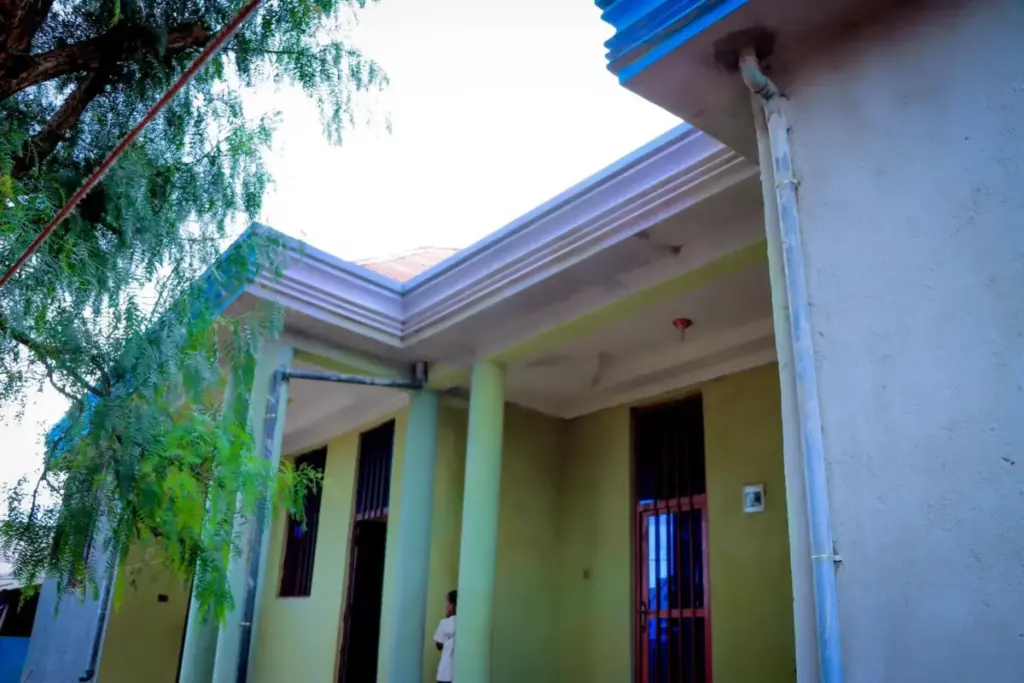
Over time, this disciplined approach to saving, combined with an annual holiday gift received through Ahmed’s ongoing sponsorship, empowered the family to embark on a major construction project. Slowly and steadily, they began building a new, permanent four-room home to replace their inadequate previous living arrangements. The completed home and the improved living conditions provided the family with a renewed sense of stability, safety, and dignity, laying a strong foundation for a brighter future.
Building Skills and Confidence
Nimco’s journey from destitution to business owner was not achieved alone. Alongside the financial sponsorship, she actively participated in two specialized women’s economic empowerment projects organized and run by Islamic Relief Ethiopia.
Through these targeted programs, she acquired essential practical skills in household and business budgeting, effective money management, and the fundamentals of developing and sustaining a small enterprise. This comprehensive training fortified her entrepreneurial capabilities and significantly boosted her self-confidence. Armed with new knowledge, she felt fully equipped to plan strategically for her family’s long-term future rather than simply reacting to daily crises.
The children directly shared in these developmental gains. With the household finances gradually stabilizing, they enjoyed consistent access to nutritious food, vastly improved living conditions, and uninterrupted educational opportunities.
Looking Towards a More Secure Future
Today, years after that initial referral from a local leader, Nimco’s household looks entirely different. Several of her children are now pursuing higher education at the university level, while the younger siblings continue to attend school. Nimco herself remains deeply engaged in growing her retail business and is currently working to complete an additional rental property, which she anticipates will generate a reliable, steady income stream for years to come.
Although Amira’s formal sponsorship has now concluded as she reached adulthood, Nimco’s drive and determination remain undiminished. She continues to look forward with unwavering optimism. Reflecting on the transformative journey her family has experienced, she shares a powerful perspective on the true value of the assistance she received.
“The sponsorship did more than feed my children,” Nimco says. “It gave me hope, confidence, and the opportunity to change our future.”
Organizations worldwide continue to emphasize that targeted interventions—combining child sponsorship, livelihood training, and economic empowerment—can break the cycle of generational poverty. Initiatives like those provided by Islamic Relief demonstrate how empowering vulnerable mothers with the right tools and resources ripples outward, uplifting entire families and strengthening communities from within.