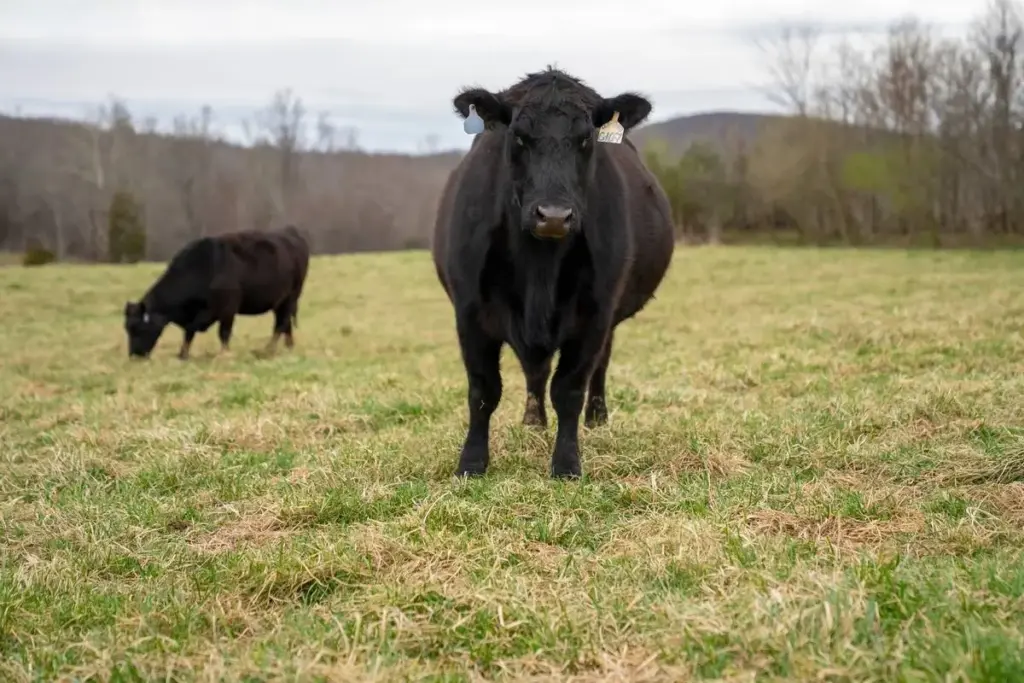
Saudi dairy giant Almarai has officially ventured into the red meat sector with the launch of "Haboor," a new pre-packed beef brand backed by an investment of approximately SR500 million, equivalent to roughly $133.3 million. This substantial financial commitment is twice the initial SR250 million investment that the company’s board of directors had originally approved for branded local beef back in December 2021.
The strategic rollout marks a significant expansion for Almarai, whose well-established portfolio already features household brands such as Almarai, L’usine, Alyoum, and Nura. According to industry reports, the fresh capital injection is designed to actively diversify the company’s product offerings and scale its presence within the regional red meat market.
This major brand rollout directly follows the unveiling of Almarai’s comprehensive 2026-2031 corporate strategy earlier this month. The newly minted long-term roadmap specifically highlights red meat among the new product categories that the enterprise plans to selectively expand into over the coming years. Despite the announcement of the elevated funding amount, initial industry reports have not yet disclosed specific production capacities, processing tonnages, or formal store launch dates against which international meat suppliers, regional distributors, and local grocers can gauge the exact scale of the operation.
The origins of this ambitious project trace back to an earlier operational blueprint approved by the company several years ago. In late 2021, regulatory filings and market reports outlined Almarai’s intention to construct an end-to-end production facility. This integrated setup was envisioned as a single, streamlined operation running seamlessly from an initial slaughterhouse to an advanced butchery, ultimately delivering retail-ready, packaged branded meat directly to consumers. The initial project was planned to be financed primarily through internal operating cash flows and scheduled for completion within twenty-four months following final regulatory approvals from various government authorities.
However, current reporting does not specify how much beef Haboor will actually process or precisely when consumer-ready packages will hit supermarket shelves. Trade analyses currently lack vital operational details such as plant capacity, processing volume, projected store launch dates, or targeted cattle head counts. Until the company publishes these critical metrics, the reported SR500 million financial commitment remains the primary benchmark for measuring the true scale and market ambition of the Haboor brand.
Almarai Haboor Investment Is Twice the Initial Sum Set in 2021
The commitment of SR500 million to the Haboor brand represents a doubling of the SR250 million baseline figure that Almarai’s board officially greenlit on December 14, 2021. Financial reports from that period detailed the initial plant construction plan, noting that the enterprise intended to leverage its existing young cattle supply chains and extensive route-to-market distribution infrastructure.
At the time, corporate leadership framed the venture as a dual opportunity to expand the company’s consumer product offerings while actively contributing to the broader food security agenda outlined in Saudi Vision 2030. Similarly, recent market coverage frames the formal launch of Haboor as being deeply aligned with Vision 2030 objectives, serving as a cornerstone for corporate portfolio diversification.
Despite the clear escalation in capital, available reports do not explicitly explain the financial variance between the two figures. Because the 2021 allocation was officially categorized as an initial investment, subsequent reporting has left open questions regarding whether the new SR500 million figure fully encompasses the previously approved plant, completely replaces the former blueprint, or represents an additive expansion of the original infrastructure. Furthermore, public disclosures have yet to confirm whether the comprehensive slaughterhouse-to-butchery facility initially described by market analysts has been fully constructed and commissioned.
Almarai 2026-2031 Strategy Puts New Food Categories on the Agenda
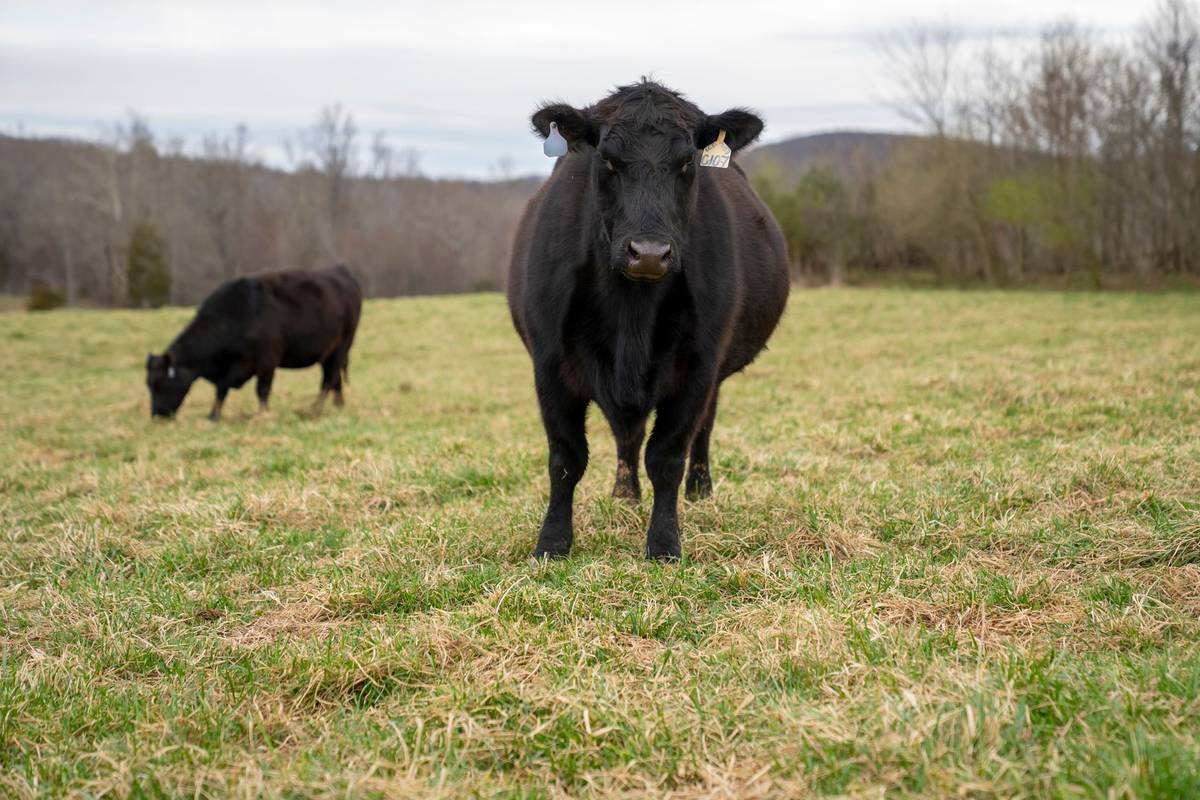
The overarching strategy guiding Almarai through the remainder of the decade involves a massive capital expenditure program. The company’s 2026-2031 strategic plan, approved earlier this month, envisions more than $4 billion in total investments executed over a six-year horizon. Core pillars of this multi-year roadmap include selective expansion into emerging product categories like red meat, fortification of established core categories, aggressive scaling of foodservice and e-commerce distribution channels, and accelerated growth within priority regional markets.
Financial analysts tracking the strategic approval have noted that the framework emphasizes business resilience, enhanced supply chain security, improved operational efficiency through heightened productivity, disciplined growth to drive profitability, and robust cash flow generation. Leadership has described the overarching transition as a deliberate shift away from a prolonged heavy investment phase toward a dedicated value realization phase.
This current strategic horizon builds upon previous corporate planning cycles. The preceding 2024-2028 investment cycle involved capital deployments exceeding SR18 billion aimed heavily at expanding poultry operations, strengthening core pillars such as dairy, juices, and bakery, and incubating new food categories. The newly reported SR133.3 million allocation specifically tied to the initial phases of the Haboor brand equals approximately 3% of the total $4 billion capital expenditure program currently slated for the six-year strategic window, although analysts note that specific accounting boundaries between the overarching strategy and the standalone brand investment remain undisclosed.
Almarai Nine-Month Results Show Revenue Outpacing Profit
Almarai’s entry into the red meat category coincides with a financial reporting period characterized by top-line revenue growth outpacing bottom-line profitability. According to consolidated financial results for the nine-month period ending September 30, the company’s total revenue climbed 9.7% year-over-year to reach SR18.21 billion. During the same timeframe, operating profit experienced a modest 0.9% increase to land at SR2.46 billion, while net income attributable to shareholders experienced a slight contraction of 0.3%, totaling SR1.98 billion.
While specific funding mechanisms for the Haboor brand have not been explicitly detailed in recent announcements, historical precedents established during the 2021 plant approval indicated that such agricultural and manufacturing expansions were intended to be financed through healthy operating cash flows. The reported nine-month financial figures underline a mature business enterprise that continues to successfully expand its commercial sales volume while keeping operational earnings relatively stable. When viewed against the company’s net income generation of nearly SR2 billion over nine months, the SR500 million total commitment to the beef venture represents a measured capital outlay well within the financial capacity of the corporate group.
Haboor Leaves Capacity and Store Timing Undisclosed for Beef Suppliers
The debut of the Haboor brand has arrived without accompanying disclosures regarding processing capacity, annual tonnage quotas, or definitive retail availability dates. Although the initial 2021 blueprint anticipated a two-year construction timeline following regulatory sign-off, neither historical nor current reports have clarified the exact status of those administrative approvals or the physical readiness of the facilities.
For international meat suppliers and agricultural exporters looking at the region, the announcements do not signal any immediate alterations to established regulatory frameworks governing meat imports into the Gulf Cooperation Council. Exporters across major beef-producing nations continue to navigate existing mandates regarding comprehensive halal certification, rigorous plant audits, and adherence to specific regional import standards. While Almarai’s original 2021 framework projected leveraging the company’s internal young cattle supply and distribution networks, current reporting has not confirmed whether the scaled-up Haboor initiative adheres strictly to that sourcing model.
Fawaz Aljasser, Chief Executive Officer of Almarai, characterized the initiative as a calculated corporate milestone. Speaking on the strategic rationale behind the move, Aljasser noted that the investment represents a strategic step that builds squarely upon Almarai’s existing operational strengths while actively supporting the company’s long-term growth ambitions. Until corporate leadership releases precise figures detailing production capacities and definitive store introduction dates, the SR500 million investment figure remains the clearest available indicator of the scale behind Almarai’s long-awaited entry into the red meat market.