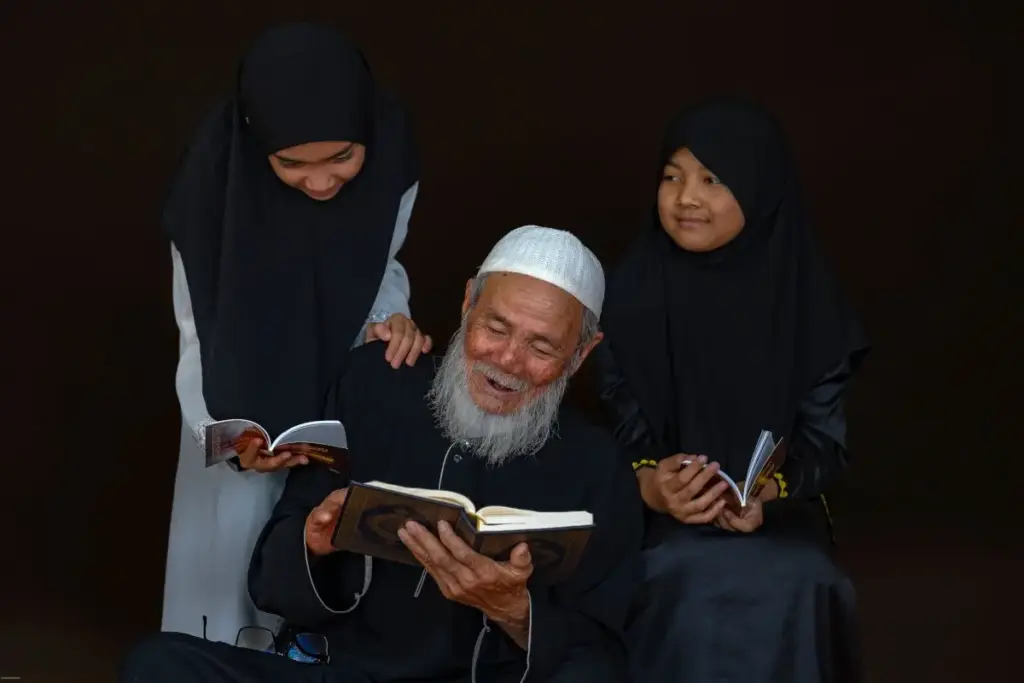
Supporting veterans who live with service-connected disabilities and serious illnesses requires far more than passive gratitude for their military service. Across the nation, advocates, community leaders, and faith-based organizations are recognizing that true appreciation calls for practical compassion, an unwavering respect for human dignity, and a proactive willingness to help individuals navigate the complex physical, emotional, and financial challenges that frequently follow severe injuries or illnesses. Within this landscape, Islamic teachings offer a profound and meaningful framework for civic and religious responsibility, placing a heavy emphasis on mercy, organized charity, social justice, and dedicated care for those facing profound hardship.
For Muslim communities, these foundational principles provide a vital compass, guiding how families, local mosques, and individual neighbors can support veterans as they adapt to rapidly changing physical, emotional, and financial circumstances. Rather than treating veteran support as an abstract concept, community leaders are increasingly looking at how spiritual values can be translated into tangible, everyday action that honors the sacrifices made by those who served in uniform.
Compassion and the Dignity of Every Person
At its core, Islamic tradition places a tremendous amount of emphasis on mercy, human worth, and kindness. Classical and contemporary theological understandings describe human beings as having been uniquely honored, a principle that fundamentally supports treating every single individual with absolute dignity, regardless of their current physical ability, mental health status, or medical diagnosis.
For veterans living with disabilities, this theological commitment translates into a very practical imperative: recognizing the whole person far beyond their medical diagnosis, clinical chart, or military history. Assistance provided by neighbors, friends, and community institutions should be structured in a way that preserves personal independence wherever possible, fiercely respects individual choices, and actively avoids treating a disability as a reason to sideline or exclude someone from the fabric of community life.
Practical expressions of this compassion do not need to be overly complicated to be deeply meaningful. Simple acts—such as helping with reliable transportation, preparing and dropping off nutritious meals, or accompanying a veteran to a medical appointment—can significantly ease everyday difficulties without ever undermining their personal autonomy or making them feel patronized.
Charity as Practical Support
Financial generosity is a cornerstone of community life, and within Islam, mechanisms like Zakat and voluntary sadaqah serve as vital expressions of care and redistribution. While Zakat is governed by specific eligibility rules and traditional guidelines, sadaqah offers a much broader, flexible avenue for providing voluntary assistance to those in need. Local communities and religious organizations considering financial support for disabled veterans must ensure that any distribution of Zakat strictly follows established Islamic jurisprudence and verifies the precise eligibility of the recipient.
At the same time, community support does not have to be relegated exclusively to financial assistance. A mosque or local Islamic center might coordinate accessible community gatherings, arrange dependable transport for Friday prayers, help military families obtain essential household supplies, or proactively connect veterans with reputable, specialized support services. These concerted actions help transform charity from an occasional, isolated gesture into a sustainable, long-term system of community care.
Easing the Burden on Caregivers
The reality of living with a severe disability rarely impacts just one individual; instead, it routinely affects an entire household. Spouses, aging parents, children, and other relatives often find themselves thrust into demanding caregiving roles, forced to delicately balance demanding employment schedules, endless medical appointments, household management, and intense daily caregiving responsibilities.
Islamic values centered on mutual cooperation, empathy, and mercy encourage communities to recognize these immense pressures and respond accordingly. Regular check-ins, shared errands, delivered meals, and organized respite assistance can profoundly help caregivers feel less isolated in their tireless work.
It is equally important for supporters to remember that caregivers require assistance and grace in their own right. Offering help without judgment, fiercely respecting family privacy, and directly asking what would genuinely be useful can make community assistance far more considerate, welcome, and effective.
Helping Veterans Access Their Rights
True compassion also involves helping people understand and claim the practical, legal support already available to them. In the United States, eligible veterans may qualify for a wide array of Department of Veterans Affairs benefits, including specialized financial provisions like Special Monthly Compensation for certain severe service-connected disabilities or specific life circumstances that require regular assistance with the fundamental activities of daily living.
Families and advocates exploring these specialized VA benefits must carefully consult official government guidance to fully understand current compensation rates, qualifying medical conditions, and strict application requirements. Official eligibility depends entirely on a veteran’s unique individual circumstances, meaning that a formal disability diagnosis alone does not automatically guarantee financial qualification.
Helping someone locate reliable information, organize their medical documentation, or prepare targeted questions for a qualified veterans benefits adviser can be a deeply practical expression of care. While religious guidance and government administrative benefits serve fundamentally different purposes, both are often critical to families working hard to navigate systemic hardship.
Building More Inclusive Muslim Communities
Fostering true, lasting inclusion requires considerably more than welcoming words spoken from a podium. Physical and structural modifications—such as easily accessible entrances, comfortable and appropriate seating, clear communication channels, and thoughtful consideration for people with mobility impairments or sensory limitations—are essential to ensuring that veterans can participate fully and comfortably in all religious, social, and civic activities.
Furthermore, community leaders have a unique platform to actively challenge lingering social assumptions that a physical or psychological disability makes someone any less capable of contributing to society. Veterans living with disabilities remain fully realized individuals equipped with specialized skills, deep relationships, rich life experiences, and unique perspectives that continually enrich their communities.
Supporting veterans living with disabilities remains an ongoing, generational commitment rather than a fleeting act of gratitude. By actively making community spaces more accessible, fiercely assisting exhausted caregivers, and sharing reliable information regarding available rights and benefits, Muslim communities can successfully put their core values into practice, ensuring that veterans continue to live lives defined by dignity, respect, and a profound sense of belonging.