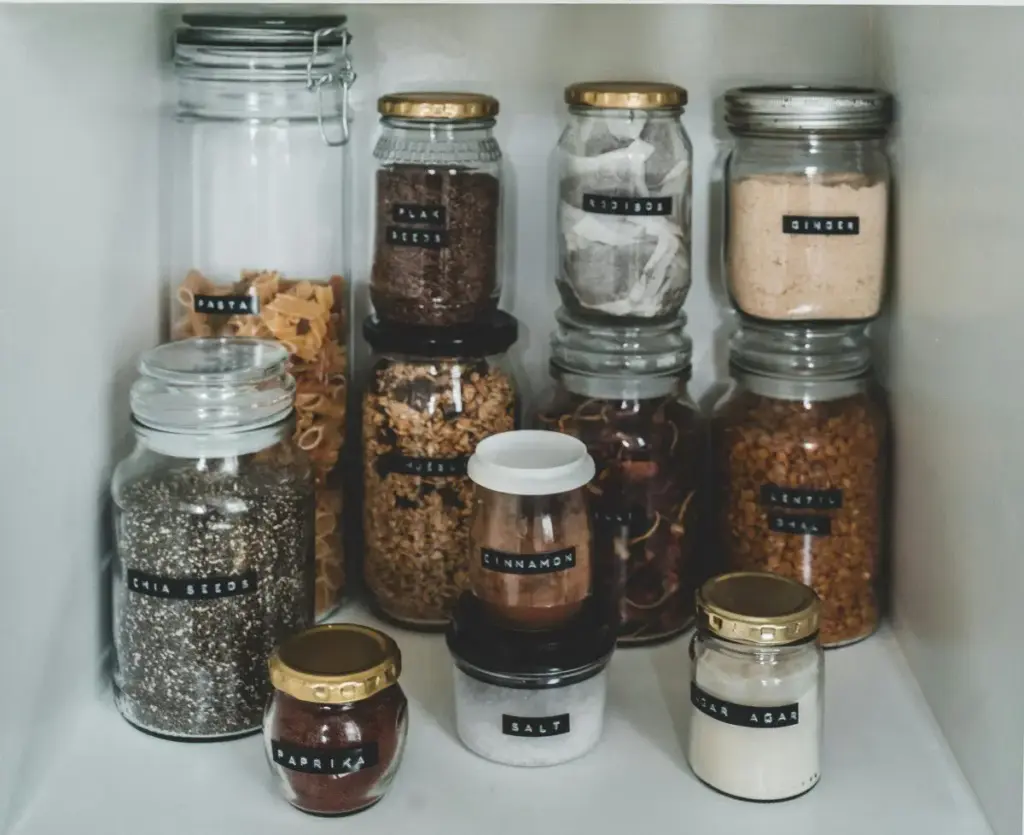
As modern households increasingly turn to reusable products to curb single-use waste, consumers are navigating a complex marketplace filled with environmental claims. For Muslim families, this shift involves an extra layer of consideration: aligning modern sustainability efforts with Islamic values of stewardship, responsible consumption, and practical utility. Experts emphasize that an effective transition toward a lower-waste lifestyle starts not with chasing trendy eco-friendly labels, but with assessing genuine household needs, maintaining existing items, and carefully evaluating the safety and composition of everyday purchases.
To help consumers navigate these choices, updated guidance outlines practical checks for six everyday reusable categories. Rather than serving as a product ranking or a commercial endorsement, the framework helps households evaluate what they already own before investing in replacements, while clearly separating religious considerations from broad environmental marketing.
The foundation of mindful consumption in a Muslim household is deeply rooted in religious texts. Quran 7:31 explicitly encourages moderation and avoiding waste in eating and drinking. Translating this directive into daily life means buying thoughtfully and making the most of what is already owned. However, scholars and consumer advocates note that religious texts provide ethical principles rather than product certifications. A verse encouraging waste reduction does not automatically endorse a specific brand of water bottle, food wrap, or cleaning solution.
Consequently, consumer advisors recommend assessing religious concerns entirely separately from environmental claims. Terms such as plant-based, natural, and eco-friendly do not automatically answer critical questions regarding hidden ingredients, chemical coatings, or how an item will interact with food and water. When formulations or animal-derived components are a concern for a household, consumers are advised to contact manufacturers directly for detailed breakdowns and consult trusted certifiers or qualified scholars regarding specific questions. Crucially, experts warn against treating entire material categories as automatically approved or forbidden without proper inquiry.
The practical guidance examines six common household items, beginning with food wraps and reusable bowl covers. Often marketed as alternatives to single-use plastics, reusable covers can be useful for storing bread, fresh produce, or covered bowls in the refrigerator. However, buyers must check intended food types alongside manufacturer restrictions regarding heat exposure, washing methods, and contact with raw materials like meat. A wrap that cannot withstand the rigorous cleaning required for certain foods is ultimately the wrong tool for the job.
Wax wraps, for example, often contain complex combinations of waxes, oils, and resins. Consumers should read full material descriptions rather than assuming a generic plant-based label resolves sourcing questions. Furthermore, users should not assume that a wrap is suitable for home composting without verifying disposal instructions for the complete product. For wet foods or safe transport, traditional lidded containers frequently prove more practical.
Refillable cleaning products present another common category where scrutiny is necessary. Households are encouraged to select refill systems that can be replenished locally or ordered reliably, while comparing the actual cost of the usable solution—including dilution requirements—rather than looking solely at initial bottle prices. Labels should be followed strictly regarding dilution ratios, storage conditions, surface compatibility, and required rinsing on food-contact surfaces.
Consumer advocates stress that natural fragrances and essential oils do not guarantee a cleaner is harmless, nor does the term refillable imply that a product possesses disinfectant qualities. Cleaning agents should be selected based on the specific task stated on the label, and original safety instructions should remain with the container. An unlabelled decorative bottle, while aesthetically pleasing, can lead to confusion and improper use within a busy household.
When it comes to reusable water bottles, capacity, weight, and ease of cleaning remain paramount. Buyers should inspect whether lids can be fully disassembled and whether replacement seals or caps are readily available. A bottle that sits unused at home or proves too difficult to wash thoroughly will do little to replace disposable containers. Furthermore, stainless steel bottles vary significantly; consumers seeking to keep beverages hot or cold must look for explicit insulation claims. If an existing bottle remains in good condition, purchasing a new one is entirely optional.
Reusable shopping bags require a similar focus on practicality and maintenance. Households are encouraged to start with bags already stored in cupboards, keeping a small set near the door or alongside shopping lists. Checking seams, handles, load limits, and washing instructions is essential, as cotton, jute, and mixed-fibre bags do not tolerate identical cleaning methods. Selecting washable options for scenarios involving potential spills helps protect other purchases, while damaged handles should be repaired or replaced before carrying heavy loads.
Food containers require careful matching to actual portion sizes, storage space, and transport needs. Experts advise inspecting the body, lid, and seal separately, noting that a heat-safe base does not guarantee microwave or dishwasher safety for the entire assembly. While silicone, glass, stainless steel, and durable plastics all offer distinct advantages, no single material name ensures superior performance for every task. Prioritizing reliable closures, thorough cleaning, and continued service over purchasing large matching sets remains the most effective approach.
Bamboo and other durable kitchen utensils round out the selection. A well-crafted wooden spoon or spatula should complement existing cookware, feel comfortable during use, and be easy to maintain. Buyers should read care instructions carefully and inspect items for cracks, splinters, or separating components, remembering that a bamboo label does not disclose the composition of hidden glues or coatings. Moreover, antimicrobial marketing claims should never replace proper washing and sanitation routines.
Evaluating broader environmental claims requires a critical eye. Consumer protection frameworks, such as the United States Federal Trade Commission’s Green Guides, caution against broad, unqualified environmental claims, distinguishing between home-compostable items and unsupported blanket statements while requiring evidence for non-toxic assertions. Shoppers are encouraged to ask what specific benefits are claimed, what evidence supports them, and whether proper disposal facilities actually exist locally.
Ultimately, the most effective sustainable products are those that integrate seamlessly into daily routines and remain in active service for years. By starting small, verifying specific claims, and keeping halal considerations, safe usage, and environmental impacts clearly separated, households can make thoughtful choices that reduce waste without compromising personal values or practicality.