
Last month at the V&A East Museum, acclaimed filmmaker, director, and photographer Gabriel Moses took center stage for a deeply reflective conversation titled A Life in the Work of Others. The event invited the artist to pull back the curtain on his creative process, offering rare insights into the people, places, and foundational experiences that have sculpted his distinctive visual style. Over the course of the evening, Moses shared five of the most profound influences on his career—ranging from his mother’s vibrant flower-arranging hobby and south London football culture to high-fashion iconoclasm and the timeless allure of Hollywood figures.

The Women and Family Archives That Sparked a Vision
For Moses, the genesis of his artistic journey is inextricably linked to the women in his family. Growing up, entertainment and aesthetic inspiration were woven into the domestic fabric of his household. Because the family television was kept in his sister’s bedroom, Moses spent countless hours immersed in that space while playing video games. His sister, who studied fashion, papered her walls with torn-out pages from publications like Vogue and Dazed, creating an impromptu mood board that quietly imprinted itself on the young observer’s subconscious.
Equally influential was his mother, whose innate appreciation for art, fashion, and photography set a high standard for visual expression. Known for making bold, outrageous decisions when working with color—stemming partly from her hobby of flower arranging—she cultivated an eye for striking palettes that Moses still draws upon today when composing his frames. Documenting life was a constant family practice; albums filled with photographs of his grandmother and grandfather in Nigeria, his mother’s childhood, and his siblings provided a rich visual archive that fostered his early love for imagery.

This maternal support extended far beyond aesthetics into the realm of profound personal belief. Having moved to London at the age of 18, his mother had witnessed people from all walks of life carve out their paths and succeed. This bedrock of trust meant that when Moses dropped out of university following his first major film project with Nike, and subsequently faced a quiet five-month stretch of uncertainty, there was no panic. Knowing his drive, she simply allowed him the space to develop his craft. Offering advice to aspiring creatives navigating similar paths, Moses emphasized the importance of open communication and absolute transparency, noting that even if it requires making a formal presentation to explain your vision to loved ones, clear communication is essential.
South London Roots and Everyday Role Models
Growing up in south London provided Moses with a unique crucible of sports, culture, and localized celebrity. Long before he envisioned a career behind the lens, the neighborhood was alive with aspirational figures who proved that individuals from similar backgrounds could reach the pinnacle of their respective fields. Seeing football stars like Rio Ferdinand and his brother casually at a local petrol station served as a tangible reminder that global sports stars could emerge directly from the local community.

Another vital local figure was Andy Ansah, a south London legend who transitioned from professional football to choreography for major commercial advertisements. Ansah was a local celebrity, having worked alongside global icons like Ronaldinho and Ronaldo. Crucially, he integrated the local youth by casting neighborhood kids as extras in his commercials. For Moses, seeing someone channel a love for football into a creative commercial career opened his eyes to new possibilities, offering him his first fleeting behind-the-scenes glimpses of the advertising world.
From Football Dreams to Directorial Breakthroughs
Like many young boys in his community, Moses initially harbored dreams of becoming a professional footballer rather than an artist. However, during his first year at university, his mother fell ill. Searching for a way to make her proud, he turned inward, assessing his potential talents and deciding to test the waters of visual storytelling. Fueled by the energy of classic Nike Joga Bonito commercials he watched avidly as a child, he resolved to take a shot at filmmaking.

His first major step involved reaching out to footballer Fikayo Tomori—then playing for Chelsea and now at AC Milan—to pitch a documentary-style video about his journey. Spending six hours on the project alongside his friends, Moses published the finished piece on YouTube. Though he now humorously describes the debut film as terrible, the sheer thrill of executing an idea and putting it into the world was transformative.
This momentum led to a collaboration with Joe Gomez, another local talent from Catford who recognized the young creator’s ambition and helped fund one of his early projects when Moses was just 18. Shortly thereafter, Nike approached him to direct a series of commercials for the new Tiempo football boot. Step-by-step, Moses adopted the uncompromising work ethic of an athlete, operating under the firm belief that the creative industries, much like elite sports, ultimately reward undeniable quality.
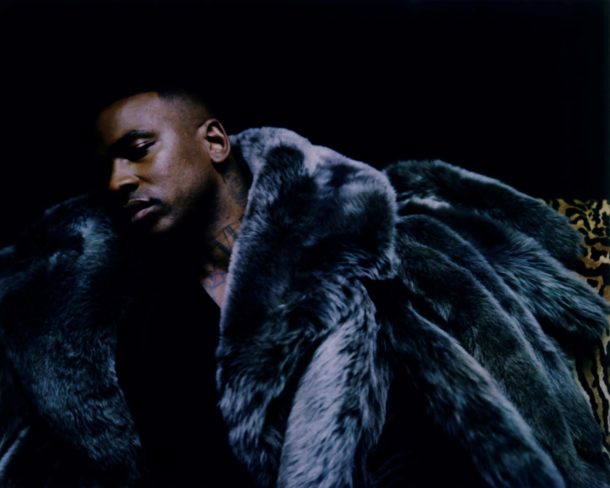
Encounters with Virgil Abloh and High Fashion
Moses’s entry into the high-fashion world bypassed traditional academic institutions like Central Saint Martins. Instead, through the introduction of photographer Fabien Montique, he found himself inside the Off-White studio working alongside the late Virgil Abloh. Tasked with shooting fitting photographs before runway shows and producing behind-the-scenes show films, a 19-year-old Moses suddenly found himself capturing figures like Bella Hadid.
More than the glamour of the garments, it was Abloh’s radical humility and accessibility that left an indelible mark. Abloh consistently made time to reply to messages promptly, often appending encouraging notes and digital emojis that electrified Moses’s confidence. Witnessing a Black creator achieve global success while maintaining such profound approachability shattered any lingering boundaries, reinforcing the belief that a young creator from London could genuinely accomplish anything.

Championing Everyday Creativity and the Future
Today, Moses remains fundamentally inspired by everyday people and grassroots creativity. Whether observing individuals crafting viral skits on their phones or watching kids experiment spontaneously with digital media, he views everyday people as the ultimate superstars. This philosophy directly influences his professional work, where he frequently casts everyday individuals in high-profile commercial campaigns, injecting authentic cultural representation into major brand narratives.
Reflecting on his early days with his agent, Moses recalled frequently turning down conventional assignments to protect his creative vision, often trading half the budget for total artistic control. His ultimate goal is to normalize this creative autonomy so that future generations pursue artistic paths simply because it is what they desire, driven by the authentic spirit of everyday people.

Offering a final piece of advice to young creatives, Moses underscored the importance of unwavering authenticity. By remaining true to oneself and ensuring that creative influences are genuine, the process of research, exploration, and artistic development becomes natural. Urging creators to treat their ideas as valuable currency, he recommended cultivating the habit of documenting concepts daily, training the mind to recognize and honor its own distinct creative voice.