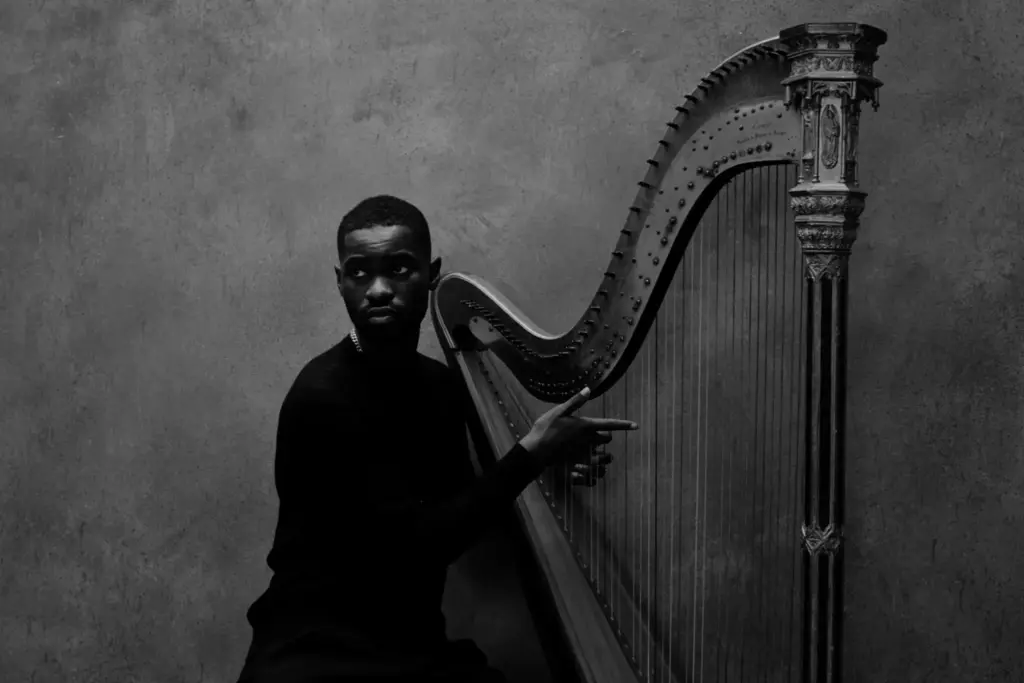
Last month, the V&A East Museum played host to an intimate and revealing evening with acclaimed filmmaker, director, and photographer Gabriel Moses. As part of the museum’s ongoing programming exploring the creative process, Moses took center stage for A Life in the Work of Others, a special event designed to ask an artist to pull back the curtain on the people, places, and foundational experiences that have sculpted their unique visual language.
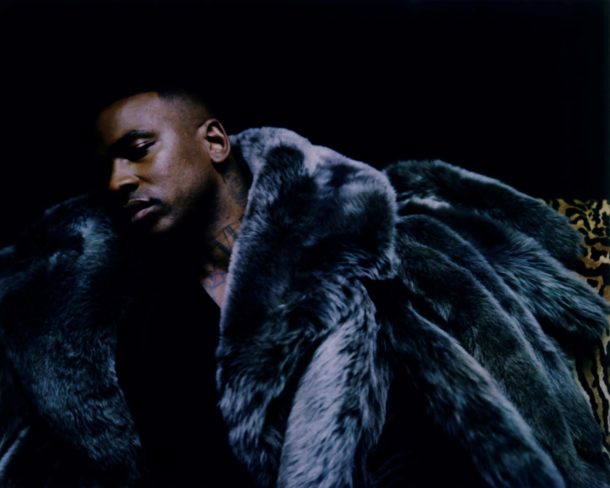
For an artist whose striking imagery—ranging from intimate portraits of musical icons like Skepta and Dave to high-profile campaigns for global brands—has quickly made him one of the most distinctive visual voices of his generation, the conversation offered a rare glimpse into his origins. Sitting before an engaged audience, Moses peeled back the layers of his journey, sharing five defining inspirations that transformed a sports-obsessed south London teenager into a globally recognized director.
The Women Who Framed the World
Long before he ever picked up a professional camera or stepped foot on a commercial film set, Moses’s artistic education was quietly taking place inside his family home. Far from the ivory towers of traditional art institutions, his earliest visual references came from the women who raised and guided him.

Because the television was famously kept in his sister’s bedroom, Moses spent countless hours immersed in gaming surrounded by an environment steeped in design. As a fashion student, his sister regularly plastered her walls with torn-out pages from publications like Vogue and Dazed, turning her room into an accidental mood board that subtly trained her brother’s eye for composition, styling, and editorial layout.
Meanwhile, his mother instilled a lifelong fascination with color and aesthetic fearlessness. Describing her as someone with a deep appreciation for art, fashion, and photography, Moses recalled how her bold, often outrageous color choices during hobbies like flower arranging continue to inform his modern image-making. Furthermore, documentation was a constant in the household. Family photo books traced the lineage back to his grandparents in Nigeria, his mother’s early years, and his siblings growing up, giving a young Moses an expansive archive of lived experiences to gaze upon and fall in love with.
That maternal influence extended far beyond aesthetics into unwavering psychological support. When Moses made the pivotal decision to drop out of university following his first commercial film with Nike, he faced a five-month stretch of silence. While many parents might have panicked, his mother—who had moved to London at the age of 18 and witnessed countless individuals carve out their own paths—understood her son’s fierce internal drive. Recognizing that he was neither careless nor lacking ambition, she gave him the space to "cook." For aspiring creatives navigating different circumstances, Moses offered a pragmatic piece of advice drawn from that experience: if necessary, make a formal presentation to explain your vision to your support system, but always prioritize openness and communication.

South London Roots and Everyday Pioneers
Growing up in south London provided Moses with a very specific blueprint of success. Long before entertainment and sports became accessible avenues for global stardom, the neighborhood served as a living gallery of attainable excellence. It was common to spot figures like Rio Ferdinand and his brother at the local petrol station, serving as tangible proof that kids from the neighborhood could reach the pinnacle of professional sports at clubs like Manchester United.
Closer to home, local legend Andy Ansah became an early archetype for creative crossover. Well known in the area, Ansah transitioned from a career in football to choreographing commercials, rubbing shoulders with global icons like Ronaldinho and Ronaldo. To local kids, he was a genuine celebrity who actively pulled neighborhood youth into his productions as extras. For Moses, seeing someone use a foundational love for sport as a springboard into creative production planted a vital seed regarding what was possible outside conventional career paths.
From Football Dreams to the Director’s Chair
Like many young boys growing up in south London, Moses initially harbored ambitions of becoming a professional footballer rather than an artist. That trajectory shifted dramatically during his first year at university when his mother shared news of an illness. Driven by a sudden, urgent desire to make her proud—even while knowing her pride was unconditional—he evaluated his hidden talents and decided to explore visual storytelling.

Refusing to claim any inherent right to photography or filmmaking, Moses adopted an experimental approach: try something, and if it works, pursue it aggressively. Fuelled by the energy of the iconic Joga Bonito ("play beautifully") Nike commercials he watched as a child, he reached out to footballer Fikayo Tomori—then playing for Chelsea and now at AC Milan—with a proposal to document his backstory. Over six intense hours, working alongside his friends in familiar surroundings, Moses shot his first mini-documentary and uploaded it to YouTube.
The profound satisfaction of releasing an idea into the world, regardless of audience size, proved transformative. Though he now views that early project critically, it opened doors. A subsequent collaboration with Liverpool defender Joe Gomez—who recognized a young creative trying to find his footing and helped fund one of Moses’s early projects at age 18—further cemented his relationship with sports culture.
That momentum soon caught the attention of Nike, leading to a commission for a series of commercials promoting the new Tiempo football boot. Directing major brand spots at just 18 required a deliberate performance of confidence and professional composure. Because he was essentially directing his own demographic, Moses understood precisely what his peers wanted to see. He approached the creative industry with the uncompromising mindset of an athlete: just as professional sports offer no shortcuts to the Premier League, he believed that consistently producing exceptional work was the only currency that truly mattered.

Virgil Abloh and the Power of Radical Accessibility
Moses’s introduction to the upper echelons of fashion did not happen through traditional academic channels like Central Saint Martins. Instead, an introduction by photographer Fabien Montique landed the young creative inside Virgil Abloh’s Off-White studio.
Though initially unfamiliar with the full scope of Abloh’s cultural footprint beyond his revolutionary Nike collaborations, Moses was welcomed into an environment where he was simply allowed to exist and create. At 19 years old, he found himself shooting backstage fitting photos, capturing high-fashion runway shows, and working with major stars like Bella Hadid, all while learning in real-time.
What left an indelible mark on Moses was not merely the proximity to high fashion, but Abloh’s profound humility. Known for responding to messages the very same day—often accompanied by encouraging words and a rocket emoji—Abloh fostered a culture of radical accessibility. For Moses, receiving validation from someone who had achieved global stature was deeply empowering, reinforcing the belief that young creators from non-traditional backgrounds could genuinely accomplish anything.
Everyday People as the Ultimate Muse
Today, Moses remains fundamentally inspired by grassroots creativity and everyday people. Whether observing internet users crafting innovative skits on mobile phones or everyday individuals rising to cultural prominence, he views grassroots ingenuity as a wellspring of inspiration. That ethos directly influences his commercial work, where he frequently champions authentic casting choices that reflect real communities, pushing major brands to take creative risks they might otherwise avoid.
Reflecting on his early days with his agent, Moses recalled regularly turning down larger budgets in exchange for complete creative autonomy. For him, the ultimate goal is not necessarily towering billboards, but normalizing an environment where the next generation of creators can pursue their visions purely on their own terms.
Concluding his talk with a final piece of advice for young creatives, Moses emphasized authenticity as the ultimate compass. When an artist’s influences are genuine, research becomes an organic extension of self-discovery rather than a chore. Encouraging the audience to write down creative concepts daily—not always for an immediate purpose, but as a way of treating ideas as valuable currency—he reinforced the core philosophy that has driven his meteoric rise: knowing what you love and having the courage to put it into the world.