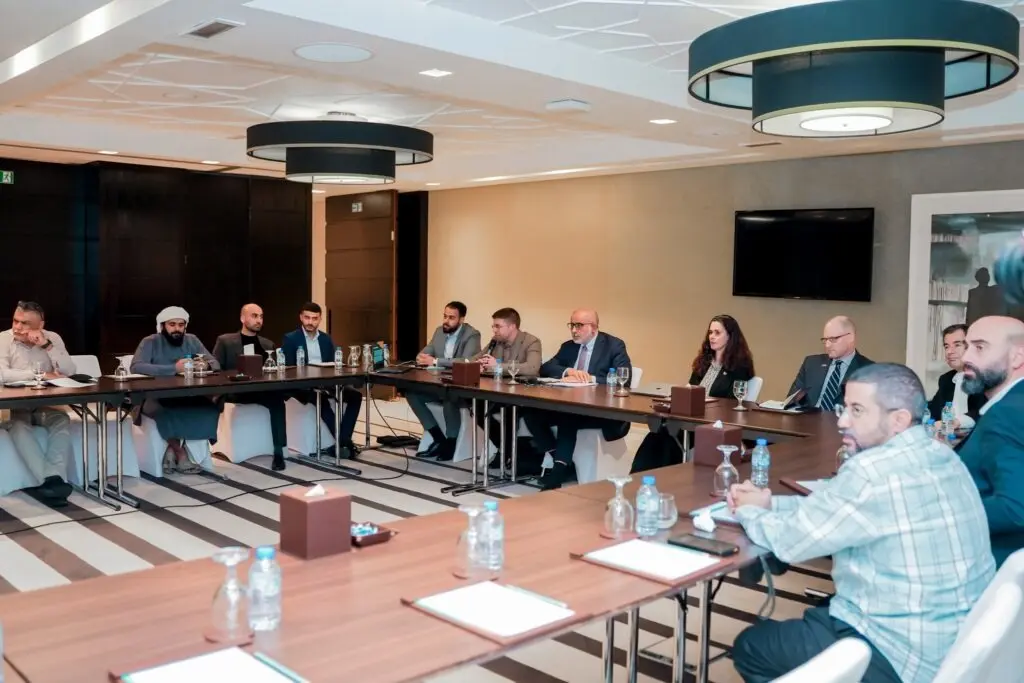
Kalam Research & Media (KRM) recently hosted a high-level academic workshop in collaboration with Canada’s University of Guelph, drawing together a distinguished assembly of philosophers, computer scientists, and intellectual and institutional leaders. Entitled “Humanities, Artificial Intelligence, and the Future of Responsibility,” the gathering was convened to foster a rigorous, interdisciplinary dialogue on the ethical, philosophical, and institutional dimensions of artificial intelligence. As rapid technological advancements continue to reshape global societies, the workshop focused intensely on how the development of artificial intelligence can be deliberately steered to serve humanity, uphold public trust, and safeguard foundational human values.
The collaborative event offered a timely forum for specialists from diverse fields to move beyond conventional technical debates and confront the profound moral questions raised by modern computing. By bridging the gap between the humanities and emerging technologies, KRM and the University of Guelph sought to address the urgent need for practical frameworks that ensure artificial intelligence systems remain accountable to the public good. The discussions highlighted that as algorithms and machine learning models assume greater roles in decision-making processes across public and private sectors, the imperative to anchor technology in deep-seated human wisdom becomes increasingly critical.
Digital Wisdom
A central highlight of the academic program was a featured lecture delivered by Dr. Joshua August Skorburg, Associate Professor of Philosophy at the University of Guelph. Titled “Digital Wisdom,” Dr. Skorburg’s presentation invited participants to rethink how society approaches the governance and ethical oversight of intelligent systems. He drew a sharp and illuminating distinction between compliance-based ethics—which typically rely on ticking boxes, adhering to rigid regulatory checklists, and satisfying minimal legal standards—and an ethics deeply grounded in practical judgment and human discernment.
Expanding upon this philosophical foundation, Dr. Skorburg argued that building genuinely responsible artificial intelligence systems requires far more than automated safety checks or localized software patches. Instead, he emphasized the necessity of cultivating what he termed “institutional wisdom.” This form of wisdom, he explained, involves creating organizational environments and systemic capacities capable of rendering balanced, morally sound decisions even under conditions of extreme complexity, ambiguity, and technological uncertainty. Through this lens, the challenge of AI governance is not merely a technical engineering problem to be solved with code, but a profound cultural and institutional challenge that demands the continuous exercise of human judgment.
Responsible Data Mining
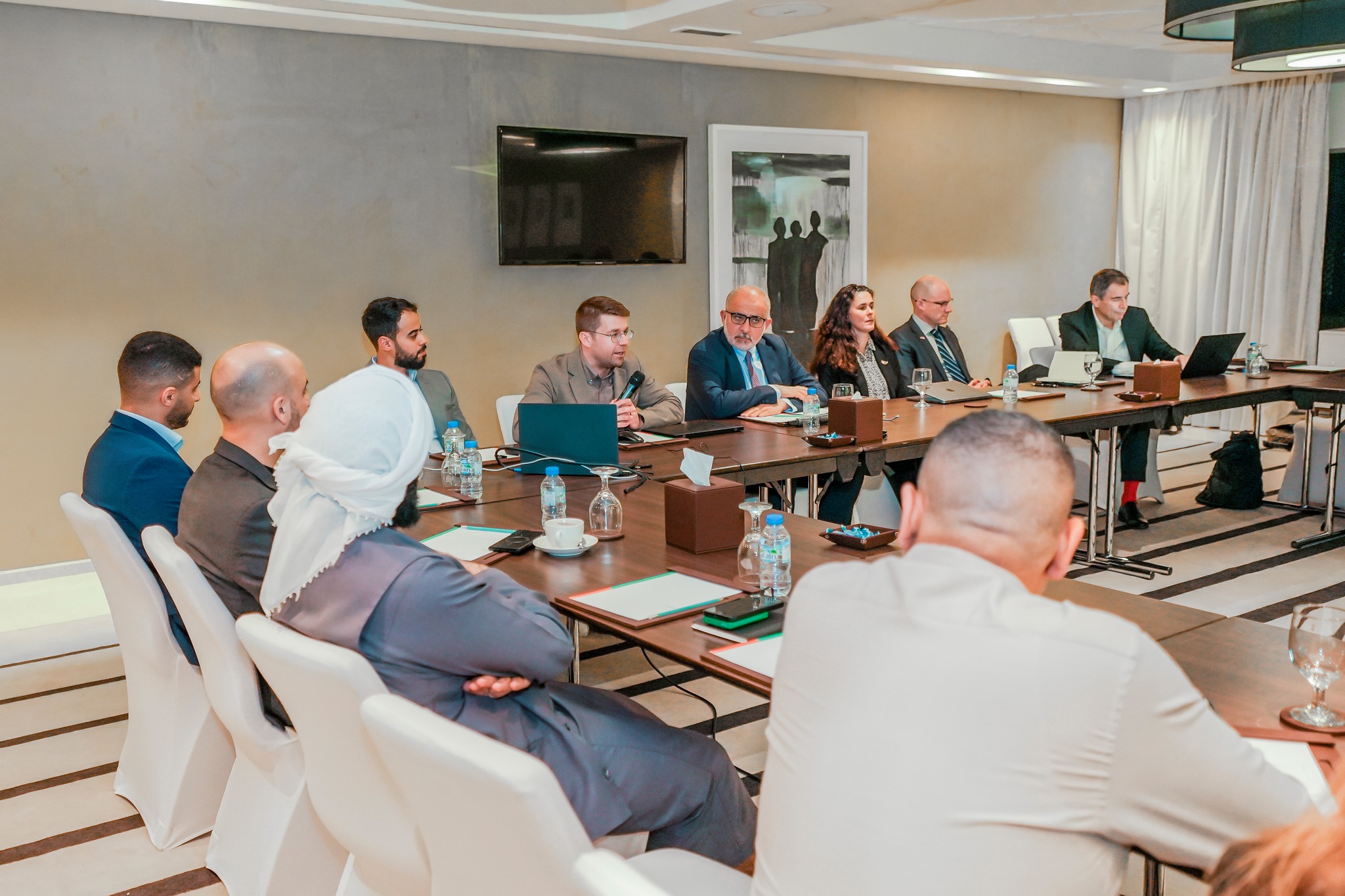
Shifting from philosophical frameworks to the technical realities of software and computational architecture, Dr. Louisa Anthony, Assistant Professor of Computer Science at the University of Guelph, delivered a compelling presentation on “Responsible Data Mining.” Dr. Anthony addressed the foundational layers of artificial intelligence development, reminding the audience that ethical responsibility in computing cannot be treated as an afterthought or addressed only after a model has been deployed.
Instead, Dr. Anthony explained that ethical accountability must begin long before the actual design of algorithmic models takes place. She focused the attention of the specialists on the earliest and often most vulnerable stages of the technological pipeline, specifically data collection, linkage, definition, and evaluation. The choices made by programmers and data scientists during these formative phases, she noted, fundamentally shape the behavior, fairness, and societal impact of the final technology. Consequently, Dr. Anthony stressed the vital importance of engineering data pipelines that are transparent, fully auditable, and inherently accountable, ensuring that every stage of data processing can be scrutinized, understood, and corrected when biases or systemic flaws emerge.
Toward a Responsible Future
The workshop culminated in a comprehensive and engaging closing discussion moderated by Prof. Aref Ali Nayed, Chairman of Kalam Research & Media. Bringing together the distinct yet complementary dimensions of philosophy and computer science, the session synthesized the day’s core insights. Prof. Nayed emphasized that the future trajectory of artificial intelligence cannot and should not be built upon technical efficiency and computational power alone. He underscored that true innovation must be guided by wisdom, deep ethical reflection, and robust institutional responsibility to prevent technology from outpacing humanity’s capacity to govern it wisely.
This landmark academic workshop represents a key milestone within Kalam Research & Media’s ongoing and broader initiatives to foster sustained dialogue between the humanities and emerging technological fields. By convening leading minds across disciplines, KRM continues to champion the development of practical, morally grounded ethical frameworks designed to contribute meaningfully to a more just, equitable, and human-centric digital future.