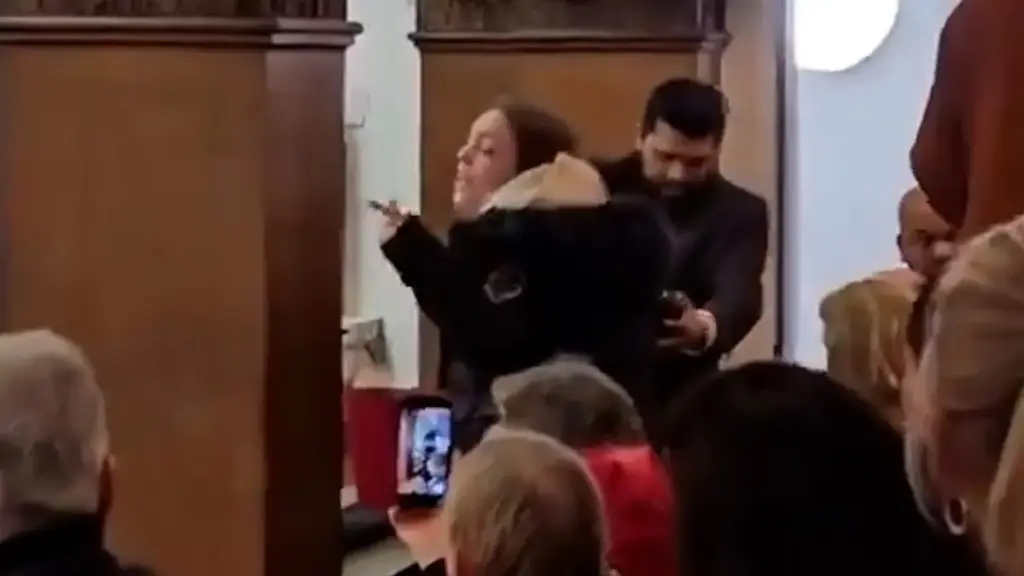
A routine meeting of the Labour-run Camden Council in London descended into chaos on Monday evening as angry protesters and local residents disrupted proceedings to voice their intense opposition to the national Labour Party’s position on the ongoing conflict in Gaza.
Footage circulating from the chamber captured the high-tension atmosphere as demonstrators confronted local authorities, directly criticizing the party leadership’s policies and the broader implications of British political alignment amid the escalating humanitarian crisis in the Middle East. Among the sharpest rebukes voiced during the demonstration was the impassioned cry from a participant: “Mosques bombed. Schools bombed. Doctors murdered with my tax money!”
The disruption at the Camden Council chamber highlights a growing domestic political rift in the United Kingdom, where local governance is increasingly intersecting with international foreign policy debates. Protesters at the scene made it clear that their anger was directly tied to the decisions and public statements made by Labour leader Keir Starmer and the wider party apparatus regarding Israel’s military campaign in Gaza.

At the heart of the demonstrators’ grievances is the accusation that the Labour leadership has effectively justified or minimized the impact of Israel’s military strategy, which critics characterize as the collective punishment of the two million Palestinian residents living trapped inside the besieged Gaza Strip. Furthermore, the protesters expressed profound frustration over the national leadership’s persistent refusal to join international and domestic calls for an immediate and permanent ceasefire.
For many constituents and community members taking part in the demonstration, the actions and rhetoric of the parliamentary leadership do not represent the values of grassroots supporters. The protesters warned that this disconnect is not merely a moral failing in their eyes, but a political miscalculation that will carry severe electoral consequences. They stated emphatically that the party’s unwillingness to take a firmer stance against the mounting civilian death toll and the widespread destruction of critical civilian infrastructure—including hospitals, educational institutions, and places of worship—will cost the Labour Party dearly at the next general election.
The confrontation inside the Camden municipal building reflects a broader wave of discontent affecting local authorities across the United Kingdom, particularly in areas with diverse populations and politically active communities. As the humanitarian situation in Gaza continues to dominate global headlines, local councils—even those focused primarily on municipal services, housing, and local taxation—are increasingly finding themselves transformed into forums for national and international protest. Residents demanding accountability from elected officials are utilizing council meetings as direct avenues to voice their disillusionment with mainstream British political parties, ensuring that foreign policy decisions are fiercely contested on the home front.
As the political fallout from the conflict continues to ripple through British communities, local representatives and national party figures alike are facing mounting pressure to address the concerns of constituents who feel deeply alienated by the current political consensus. With the next electoral cycle looming, demonstrations like the one witnessed at Camden Council signal that the political cost of the ongoing crisis in Gaza will remain a central and contentious issue for the Labour Party across London and beyond.