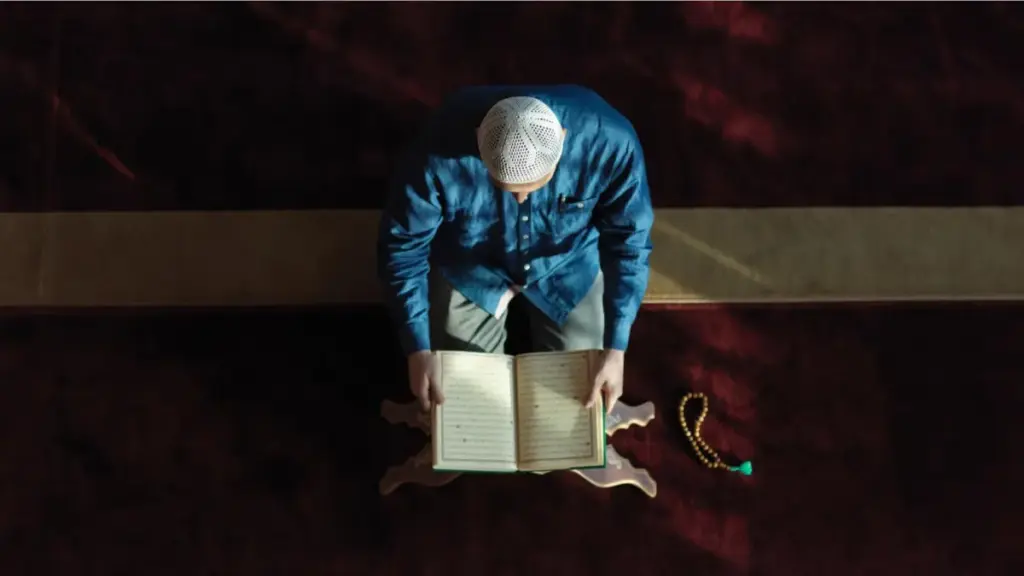
In the ongoing exploration of how Muslims can achieve a richer, more interactive experience of Quran recitation that engages the inner self, spiritual scholars continue to emphasize the importance of conscious reflection. Following the initial foundational steps outlined in the first part of this series, further guidance offers a deeper look into the psychological and spiritual dimensions of engaging with the Divine text. These insights focus on shifting the reader’s perception from that of a passive observer to an active recipient of a direct, divine communication.
Hearing from Allah
Central to transforming the recitation experience is the psychological and spiritual shift in how a reader perceives the voice behind the words. Spiritual teachings encourage individuals to remind themselves during recitation that they are actively hearing from Allah. As part of the effort to involve the inner self, a reader is advised to think as if they are receiving the Quran directly from the Sender Himself.
Because the Quran is considered the literal speech of Allah, believers face a unique metaphysical reality. Just as one cannot physically see the Creator—who is nonetheless ever-present—one cannot physically hear Him speaking, even though it is His voice that constitutes the text. To bridge this conceptual gap, readers are encouraged to let the physical printed words on the page and the auditory sounds of a reciter’s voice recede into the background, allowing the individual to move closer in consciousness to the Speaker. This profound feeling is naturally generated and greatly strengthened as an individual’s awareness of being in the divine presence continues to grow over time.
Historical Islamic scholarship provides vivid illustrations of this transformative approach. The renowned classical scholar Imam al-Ghazali, in his monumental work Ihya’ Ulum al-Din (The Revival of the Religious Sciences), recounted the spiritual evolution described by a dedicated seeker of knowledge. The individual shared a progression of experiences, noting that he initially read the Quran without finding emotional or spiritual sweetness in it.

Seeking a deeper connection, he altered his approach and read the text as if he were hearing it directly from Prophet Muhammad while the Prophet was reciting it to his Companions. Seeking an even closer connection, the individual moved to a further stage, reading the Quran as if he were hearing it directly from the Angel Jibreel (Gabriel) while the angel delivered the revelation to the Prophet. Finally, Allah brought the seeker to the ultimate stage of consciousness, where he began to read the Quran as if he were hearing it directly from the ultimate Speaker Himself. According to traditional accounts, achieving such a heightened state of awareness imbues the reader with a profound delight and sweetness, ensuring that the inner self is fully enveloped and transformed by the recitation.
Allah’s Direct Address
Building upon the concept of hearing the divine voice, another critical step in achieving an interactive recitation is recognizing that Allah is addressing the reader directly through His Messenger. While historical context dictates that the Quran was revealed at a specific point in human history, and that modern readers receive the text indirectly through centuries of transmission, space, and time, the fundamental nature of the scripture remains eternal.
Islamic theology maintains that the Quran is the word of the Ever-Living Allah, meaning it possesses eternal validity and addresses every human being across all eras. To unlock this dynamic relationship, individuals are encouraged to let historical intermediaries recede from their immediate focus for a while. By doing so, they allow themselves to read the Quran as if it is speaking directly to them as unique individuals—and simultaneously as members of a broader human community—in the present day. The very thought of such a direct, unmediated reception helps keep the heart firmly seized and captivated by the verses being read.
Every Word for You
Complementing the sense of a direct address is the principle that every single word in the Quran is meant specifically for the person reading it. If the text possesses eternal validity and is actively addressing the reader in the present moment, it follows that every message contained within the scripture must be viewed as totally and urgently relevant to one’s own life, circumstances, and concerns.

Whether a given passage outlines a fundamental moral value or legal norm, offers a factual statement or a piece of historical knowledge, presents a character study or a divine dialogue, delivers a promise or a warning, or issues a direct command or prohibition, it demands personal introspection. Embracing this perspective makes the act of reading the Quran feel alive, dynamic, and deeply meaningful rather than routine or detached.
While scholars acknowledge that there can sometimes be challenges in translating messages originally intended for ancient audiences—who may look and live very differently from modern readers—into concepts directly relevant to contemporary lives, sincere and persistent effort makes this bridge entirely possible. Through these focused steps, the practice of Quranic recitation transcends mere ritual, evolving into an intimate, interactive dialogue between the Creator and the human soul.