The question of who taught Prophet Muhammad the Quran remains one of the most studied and debated topics in the academic and theological examination of Islamic history. Addressing this central inquiry, a newly highlighted episode of the educational video series The Eternal Challenge, presented by scholar Sheikh Sohaib Saeed, tackles the historical and theological allegations surrounding the origins of the Islamic scripture.
The episode provides a comprehensive examination and refutation of long-standing claims suggesting that the Prophet of Islam was instructed by human clergymen or that he merely compiled and quoted material from previous scriptures. By diving into the historical context of seventh-century Arabia and the unique linguistic and structural nature of the Quran, the series seeks to offer viewers a deeper understanding of how the text emerged and how traditional scholarship views its divine source.

Addressing Historical Allegations and Human Influence
Throughout history, critics of Islam have put forward various theories attempting to explain the authorship of the Quran. Among the most frequent claims are assertions that Prophet Muhammad learned the stories, laws, and theological concepts found in the Quran from Jewish or Christian monks, scholars, or scribes living in or passing through the Arabian Peninsula.
In the latest installment of The Eternal Challenge, Sheikh Sohaib Saeed addresses these claims directly. He analyzes the socio-historical reality of Mecca and Medina during the lifetime of Prophet Muhammad, noting the stark contrast between the sophisticated theological debates present in the Quran and the largely oral, tribal culture of pre-Islamic Arabia. The episode argues that the allegations of human instruction fail to account for the unique historical circumstances of the Prophet, who was known among his contemporaries as unlettered, and the unprecedented nature of the text itself.
Furthermore, the program addresses the assertion that the Quran is merely a derivative work echoing earlier biblical traditions. While acknowledging theological and narrative overlaps with previous Abrahamic scriptures—such as accounts of shared prophets like Abraham, Moses, and Jesus—the series points out distinct thematic and stylistic differences that set the Quran apart. These distinctions, according to the presenter, reinforce the Islamic perspective that the Quran serves as a confirmation and correction of previous revelations rather than a direct transcription of earlier human-authored texts.

The Role of Prophecies in the Quran
A significant portion of the episode is dedicated to exploring the concept of prophecy within the Quran. Prophecy, defined as divinely inspired foreknowledge regarding future events, occupies a central place in the discussion of prophetic truthfulness.
The discussion differentiates true prophecy from educated guesses, wise political predictions, or general sociological observations. While astute observers can sometimes anticipate the trajectory of human events based on current trends, true prophecy involves specific, detailed declarations about the future that transcend contemporary calculations.
Within the framework presented in the series, the prophecies contained within the Quran are framed as vital empirical and spiritual proofs for the authenticity of the revelation. The episode highlights specific historical events foretold in the text—such as the eventual victory of the Byzantines over the Persians after a major defeat—as examples that challenged contemporary expectations and demonstrated a knowledge of the unseen. By examining these predictive elements, the video invites viewers to evaluate the logical consistency and historical verification of the claims made by the Quran regarding its divine origin.

Continuing the Exploration of the Quranic Challenge
The release of this episode is part of a broader educational initiative by Sheikh Sohaib Saeed through The Eternal Challenge series, which investigates the multifaceted nature of the Quran and its impact on history, literature, and human consciousness. The series is designed to guide audiences through complex theological questions using academic reasoning, historical context, and textual analysis.
Previous and concurrent episodes in the series explore fundamental questions about the definition, structure, and reception of the Quran. These include foundational topics such as defining what the Quran is, examining the unique dynamic between the Prophet and the Book of Allah, and addressing the question of whether the Prophet authored the text or whether the spiritual weight and transformative nature of the revelation shaped the Prophet’s mission.
By organizing these topics into accessible video lectures, the series aims to bridge the gap between rigorous academic discourse and general audience accessibility. As debates surrounding comparative religion and scriptural origins continue to engage modern audiences, contributions like those from Sheikh Sohaib Saeed provide structured frameworks for understanding traditional Islamic perspectives on the preservation and authenticity of the Quran.
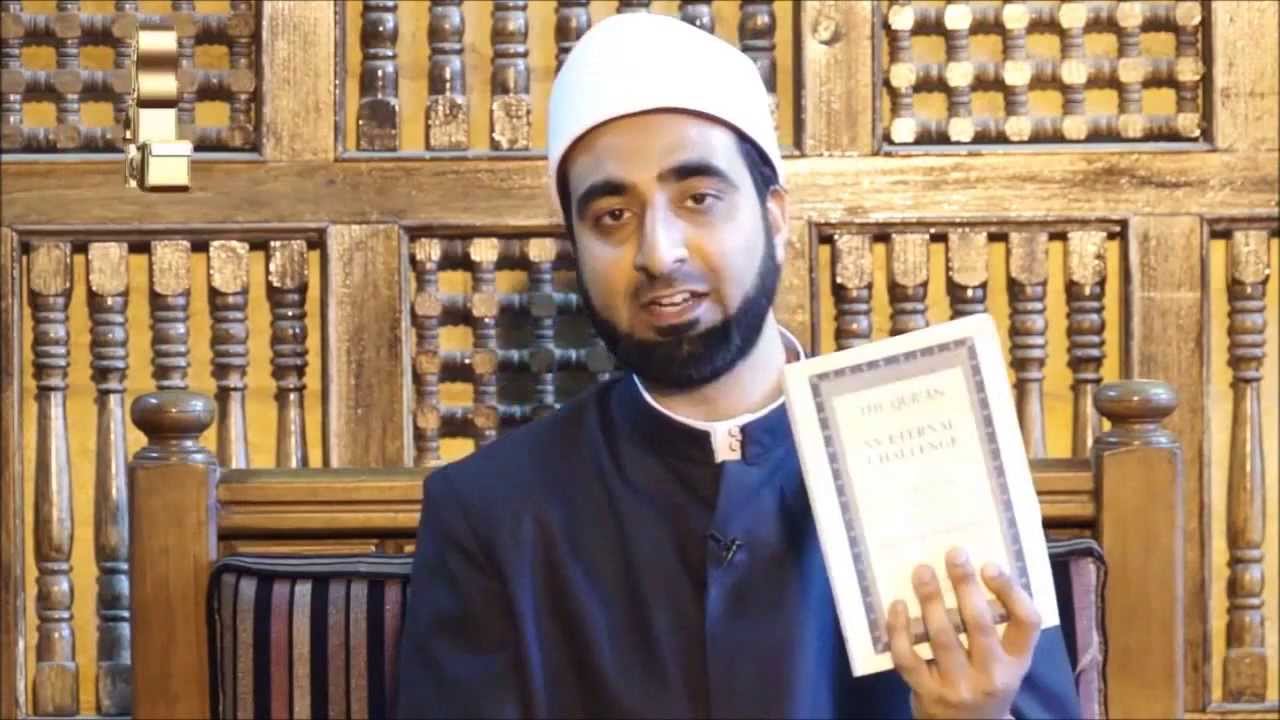
The full episode, along with related content from the series, remains accessible online for scholars, students, and general viewers interested in the history of Islamic theology and comparative scriptural studies.