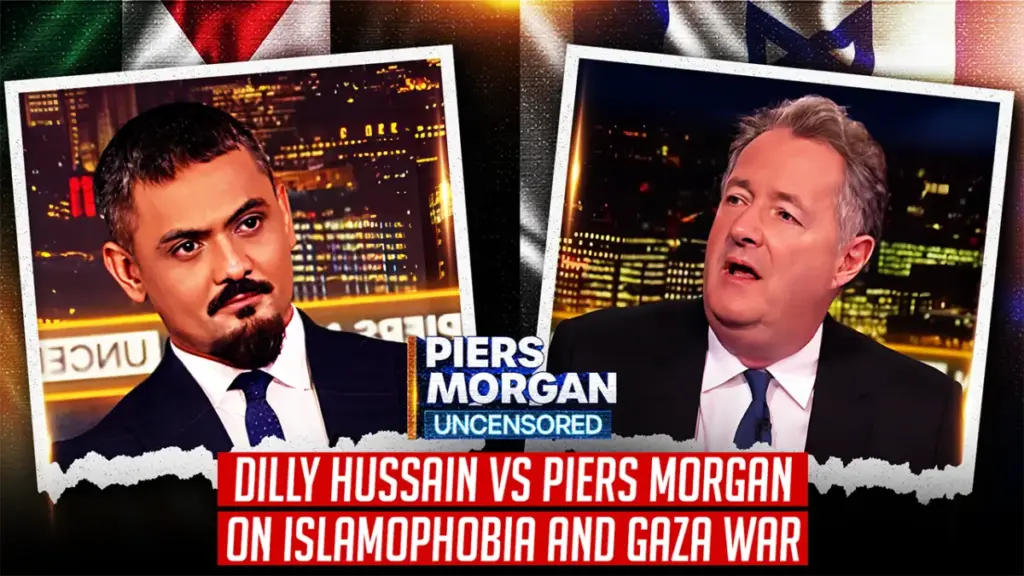
The landscape of modern broadcast journalism and digital media debate shifted significantly on Thursday, December 14, when Dilly Hussain, the deputy editor of 5Pillars, stepped into a high-stakes confrontation with prominent television broadcaster Piers Morgan. The fiery exchange, which quickly drew widespread attention across digital platforms, centered on accusations of anti-Islam commentary, alleged media bias, and editorial stances concerning the Israeli-Palestinian conflict.
The debate provided a tense and uncompromising platform for examining how mainstream Western media networks cover geopolitical conflicts involving Muslim populations, as well as the responsibilities and perceived double standards of high-profile media personalities. At the heart of the discussion was a direct challenge to Morgan regarding his on-air rhetoric, interviewing style, and the framing of news stories that disproportionately affect Muslims and marginalized communities globally.
The confrontation brought to light longstanding grievances held by many media critics and viewers regarding mainstream television coverage. As deputy editor of 5Pillars—recognized as the largest English-language Muslim news site across Europe, Australia, and the Americas—Hussain brought an independent journalistic perspective to the table. His presence on the platform served to voice concerns that are frequently underrepresented or marginalized in mainstream corporate media broadcasts.

Throughout the heated exchange, the dialogue probed deeply into the boundaries of free speech, the ethics of media commentary, and the emotional and psychological toll that aggressive or biased reporting can take on minority communities. Hussain did not shy away from pressing Morgan on specific remarks and coverage choices made on his prime-time shows, demanding accountability for language that critics argue contributes to rising Islamophobia in the United Kingdom and beyond.
The debate, which was subsequently shared and analyzed widely across social media channels under hashtags such as #boycottpiersmorgan, highlighted a deep chasm in contemporary media landscapes. On one side stand high-profile television hosts with massive global reach and immense institutional power, while on the other side emerge independent digital outlets and journalists willing to challenge prevailing narratives and demand rigorous accountability.
The discussion also touched upon the intense polarization surrounding international conflicts, specifically the media’s handling of human suffering and political violence. Critics of mainstream coverage have long argued that Western networks apply double standards when reporting on conflicts in the Middle East, offering differing levels of empathy, analytical depth, and moral outrage depending on the identity of the victims. Hussain’s confrontation with Morgan served as a microcosm of this broader global frustration, giving voice to millions of viewers who feel alienated by mainstream media framing.
For 5Pillars, an organization dedicated to providing an independent Muslim perspective on domestic and international affairs, the appearance underscored the vital importance of engaging directly with mainstream media giants. Rather than retreating into insulated media bubbles, independent journalists are increasingly recognizing the necessity of confronting institutional power on its own turf to challenge prevailing orthodoxies and defend the dignity and representation of Muslim communities.

The fallout from the December 14 debate extended far beyond the immediate studio recording. Digital clips of the confrontation circulated rapidly, accumulating hundreds of thousands of views, comments, and shares within hours of publication. The strong public reaction demonstrated an immense public appetite for direct, unvarnished accountability journalism where powerful media figures are forced to answer for their editorial output and public commentary.
As the media landscape continues to evolve away from traditional television towards decentralized digital platforms, encounters like the one between Hussain and Morgan signal a permanent shift in how media accountability operates. Traditional broadcasters can no longer dictate terms without facing immediate, robust challenge from independent journalists and digital-first publications that refuse to let controversial narratives go unchallenged.
The full debate remains accessible to audiences seeking an unedited look at the exchange, serving as a significant document of contemporary media criticism and journalistic confrontation. Through platforms that champion independent thought and community representation, voices like that of Dilly Hussain continue to push for greater integrity, fairness, and nuance in global news reporting.