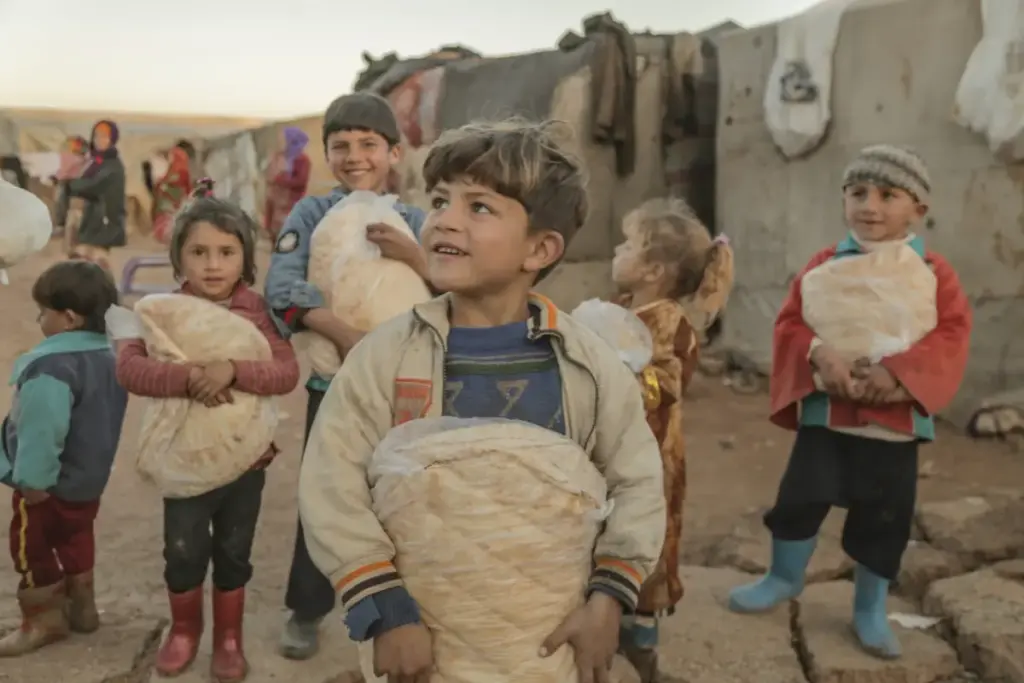
Caring for orphaned children stands as a profound and foundational virtue within the Islamic faith. Across the sacred texts of the Qur’an and the teachings of the Prophet Muhammad, known as the Sunnah, believers find continuous and emphatic reminders to show kindness toward orphans, fiercely protect their fundamental rights, and ensure their holistic emotional and material wellbeing. This deep-rooted commitment to society’s most vulnerable forms a central pillar of Islamic social ethics, reflecting a divine mandate to foster a fair, merciful, and supportive community.
The exceptionally high status granted to orphaned children within Islamic tradition is perhaps most intimately encapsulated by the life of the Prophet Muhammad himself, who experienced the reality of orphanhood from the earliest moments of his existence. His father, Abdullah ibn Abdul Mutallib, passed away before he was even born, and his mother, Amina bint Wahb, died when he was just six years old. Left vulnerable by these early losses, he was placed first in the care of his grandfather and later his uncle, shaping a lifelong empathy for those who grow up without parental guidance and protection.
Who is considered an orphan?
In general terms, an orphan is defined as a child who has lost one or both parents and is left vulnerable, lacking the proper support, shelter, and financial protection that a family unit typically provides. In societies around the world throughout history and into the modern era, orphaned children frequently face severe hardships, deep loneliness, systemic poverty, and heartbreaking neglect. Islam explicitly recognizes these profound challenges and commands believers to treat orphans with the utmost dignity, love, and respect. The faith places immense institutional and moral importance on compassion, mercy, and collective social responsibility.
The Qur’an frequently mentions orphans alongside other vulnerable demographics, such as the poor and the needy, highlighting their special and protected status in the sight of God. In Surah Ad-Duha, Allah declares: "So as for the orphan, do not oppress him." This verse reflects a core Islamic principle established during the dawn of the faith: that orphans deserve profound compassion and safeguarding rather than the exploitation, marginalization, or neglect they often suffered during the pre-Islamic era in Arabia.
A path to Paradise
The Islamic scriptures do not merely encourage kindness; they actively condemn the mistreatment or disregard of society’s most vulnerable. In Surah Al-Fajr, the Qur’an rebukes the societies of seventh-century Arabia for their failure to honor and care for orphans, signaling that such care is a definitive hallmark of the righteous. This moral imperative is further underscored in Surah Insan, where the behavior of the righteous is praised: "And they give food — in spite of love for it — to the needy, the orphan, and the prisoner."
For believers, one of the greatest and most inspiring virtues of caring for an orphan is the explicit promise of an immense and transcendent reward in the Hereafter. The Prophet Muhammad articulated this profound spiritual connection when he stated, "I and the one who cares for an orphan will be together in Paradise like this," holding up his index and middle fingers together with a slight separation to visually demonstrate the remarkable closeness he shares with such a caregiver in the eternal realm.
How can I care for an orphan?
Fulfilling the duty of caring for an orphan extends far beyond temporary charity; it encompasses providing steady access to food, safe shelter, quality education, and vital emotional support. In the contemporary landscape, major international humanitarian organizations work extensively to translate these religious mandates into practical, life-changing action.
Islamic Relief currently supports more than 85,000 orphans and vulnerable children across 27 countries through its comprehensive Orphan Sponsorship Programme. This initiative is designed to provide participating children with consistent access to education, healthcare services, and nutritious food. Recognizing the acute crises faced by communities in conflict and extreme poverty, the programme places a strong emphasis on long-term care and resilient community support. Notably, this includes the sponsorship of over 21,000 orphans in Gaza alone, where children face some of the most harrowing conditions on earth.
Organizations like Islamic Relief strive to make the process of supporting orphans accessible to donors according to their individual financial ability. Acknowledging the immense spiritual weight and trust inherent in orphan sponsorship—especially in light of the prophetic tradition promising closeness to the Prophet in Jannah—humanitarian agencies treat this responsibility with the highest degree of diligence, transparency, and accountability.
Charity increases wealth
Within the Islamic economic and spiritual framework, giving charity is understood not as a loss of resources, but as a mechanism that actively increases and purifies one’s wealth. Donating to support orphans is specifically highlighted as a powerful way to invite divine blessings into daily life. A well-known narration from Sahih Muslim states: "Blessed is the wealth of the Muslim, from which he gives to the poor, the orphan and the wayfarer."
This tradition reinforces the belief that true sustenance, or rizq, is ultimately controlled by the Creator alone, and sharing one’s blessings with those in need serves as a tangible expression of gratitude and faith. Donating even a modest amount is viewed as a beautiful method to strengthen the global community of believers, known as the Ummah, while demonstrating genuine rahma, or mercy, toward fellow human beings.
Ultimately, Islam is a faith built upon the foundational principles of compassion and mercy. Caring for orphaned children serves as a direct reflection of the mercy that Allah loves to see manifested in His servants. When a believer opens their heart—and by extension, their resources and communities—to support an orphan, they actively embody the prophetic qualities of kindness, patience, and boundless generosity.
Donors and individuals wishing to honor these timeless traditions and support vulnerable children around the world are encouraged to learn more and contribute through established humanitarian channels.