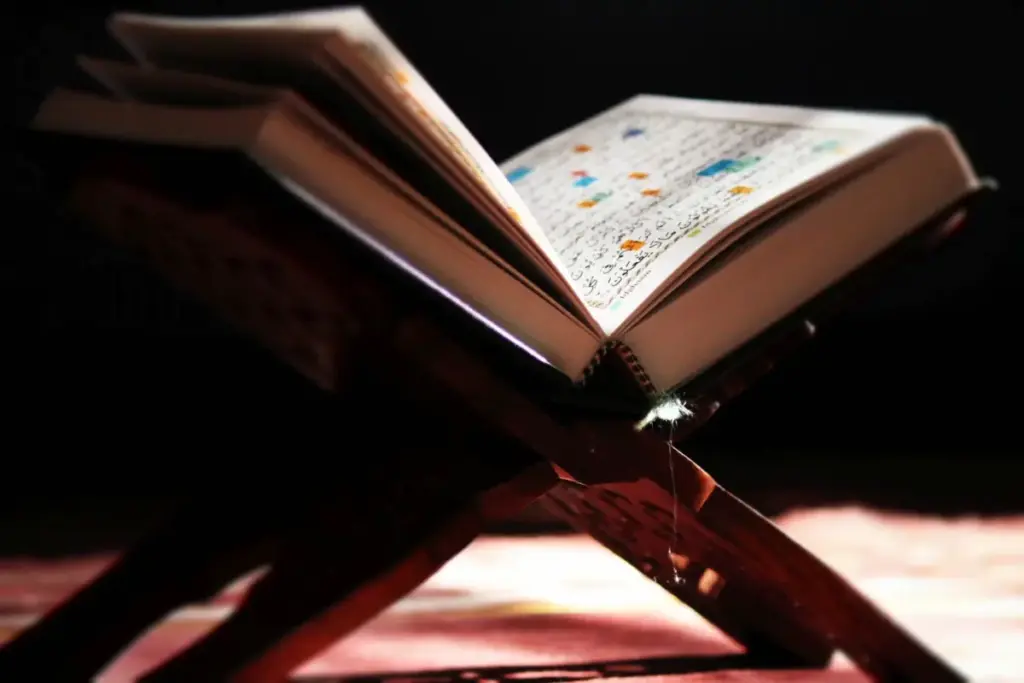
The question of who instructed Prophet Muhammad and where the text of the Quran truly originated has been a subject of theological discussion, academic inquiry, and interfaith dialogue for centuries. In a recent episode of his ongoing educational and spiritual video series, The Eternal Challenge, prominent scholar Sheikh Sohaib Saeed confronts these historical questions head-on, offering a detailed analysis of the origins of Islam’s holy book and examining the nature of scriptural prophecies.

Published through digital platforms and widely shared among audiences interested in Islamic studies, the latest installment of the series addresses lingering allegations often raised by critics—specifically, the claim that various religious figures or clergymen secretly tutored the Prophet Muhammad, or that the contents of the Quran were simply borrowed and paraphrased from previous religious scriptures. Sheikh Saeed systematically dismantles these claims, drawing on historical context, theological reasoning, and textual analysis to explain the distinct nature of the Quranic revelation.
At the heart of the discussion is the unique literary and theological structure of the Quran, which Islamic tradition maintains was revealed directly to the Prophet Muhammad over a period of 23 years. Critics of Islam have historically attempted to attribute the sophisticated theological, legal, and narrative frameworks of the Quran to external human influences. However, scholars like Sheikh Saeed emphasize that the historical reality of 7th-century Arabia—characterized by a predominantly oral culture, widespread illiteracy among the local population, and the Prophet’s own well-documented background as an unlettered individual—makes the hypothesis of human tutoring or scholarly compilation entirely implausible.

Beyond addressing historical allegations of human authorship, the episode delves deeply into the concept of prophecy within the Quran. In theological terms, a prophecy is defined as divinely inspired foreknowledge regarding future events that cannot be deduced through normal human observation, political forecasting, or educated guessing. Sheikh Saeed explains that true prophecy is distinctly different from a wise or calculated projection; it stands as one of the most vital evidentiary proofs for evaluating the truthfulness of a prophetic mission.
Throughout the Quran, several specific future events and geopolitical shifts are foretold with remarkable precision. According to Islamic scholars, these prophecies serve as an ongoing challenge to skeptics, testing the authenticity of the message and inviting critical reflection on how an individual living in the isolated environment of the Arabian Peninsula could accurately predict outcomes that unfolded years or even decades later.

The Eternal Challenge series itself has long served as a cornerstone resource for viewers seeking a deeper intellectual and spiritual understanding of the Quran. Previous installments in the series have explored foundational topics, beginning with the fundamental question of what the Quran actually is and how it defines its own miraculous nature. Other episodes have closely examined the profound relationship between the Prophet Muhammad and the Book of Allah, investigating how the revelation shaped his life, character, and mission. Rather than portraying the Prophet as the active author of the text, these discussions argue that the spiritual and moral weight of the Quran fundamentally shaped the Prophet’s trajectory, establishing a permanent divine legacy that continues to influence over a billion people worldwide.
As discussions surrounding comparative religion, scriptural history, and the origins of Abrahamic texts continue to circulate in contemporary digital spaces, series like The Eternal Challenge provide structured, academically grounded responses to complex theological questions. By combining traditional Islamic scholarship with modern media formats, presenters like Sheikh Sohaib Saeed aim to equip believers and curious observers alike with the intellectual tools necessary to understand the historical defense of the Quranic text against long-standing criticisms.