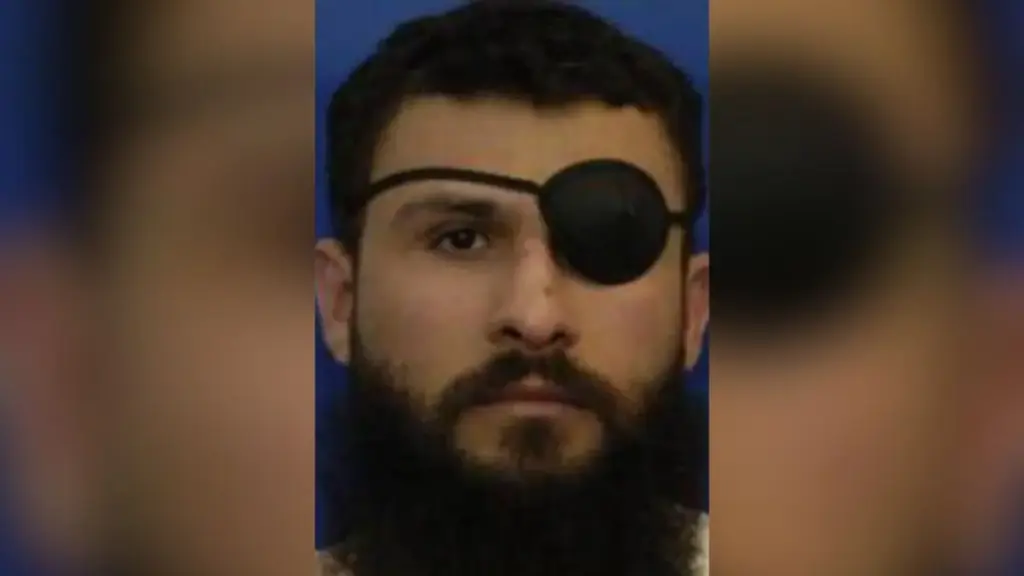
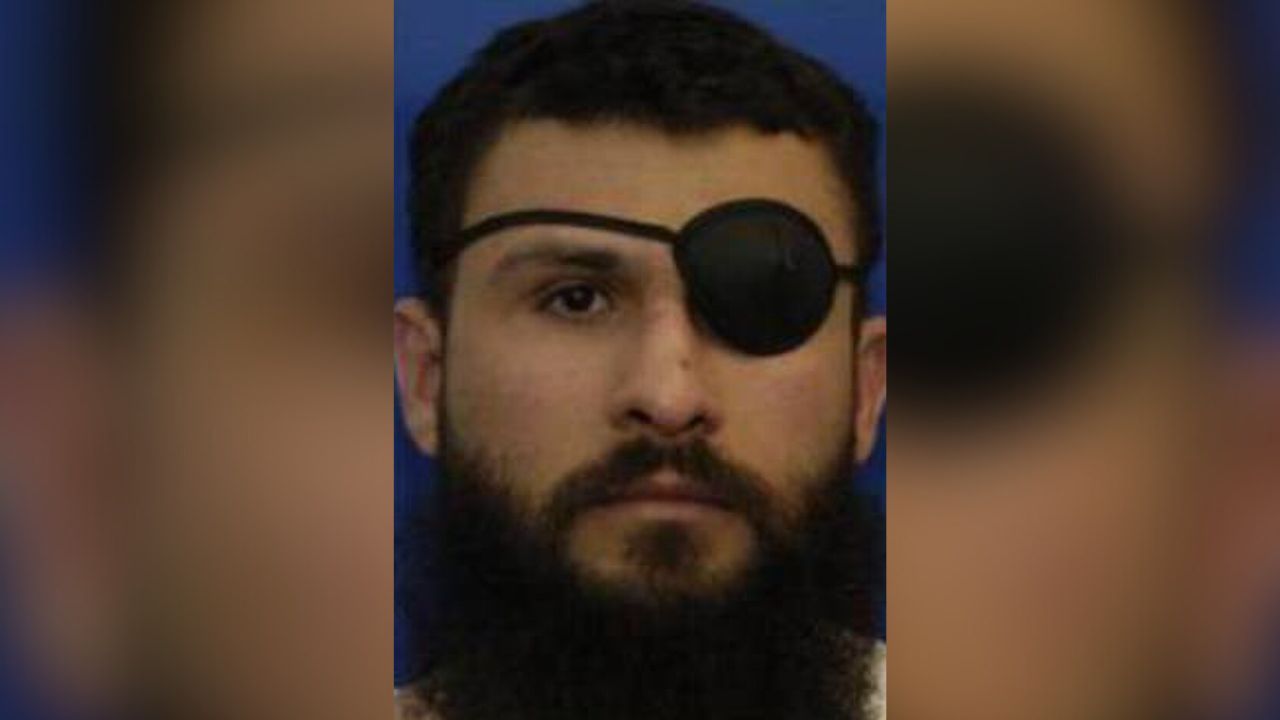
Abu Zubaydah, a Guantanamo Bay prisoner who has been detained for nearly two decades without trial and subjected to brutal torture by the CIA, has received a "substantial" financial settlement from the UK government. The landmark legal outcome follows claims that British intelligence services were complicit in his harrowing ordeal during the height of the post-9/11 "war on terror."
The 54-year-old prisoner, whose birth name is Zayn al-Abidin Muhammad Husayn, was the very first individual subjected to the dehumanising interrogation techniques that the U.S. Central Intelligence Agency termed "enhanced interrogation." Over the course of his prolonged detention, the U.S. government initially asserted that Zubaydah was a senior Al-Qaeda member—an allegation that was ultimately withdrawn. Despite never being charged with or convicted of a crime, he has remained incarcerated in the U.S.-run military prison in Cuba since 2006.
MI5 and MI6 Complicity in CIA Interrogations
According to reporting by the BBC, Zubaydah brought a successful legal claim against the UK government, arguing that British intelligence agencies bore responsibility for their role in facilitating his abuse. Internal documents and messages reviewed during the legal proceedings revealed that MI5 and MI6 routinely passed questions to the CIA to be used during Zubaydah’s interrogations.
These intelligence transmissions occurred with the full knowledge of his extreme mistreatment. Internal MI6 communications chillingly noted that the conditions and torture methods inflicted upon Zubaydah were severe enough to have "broken" 98 percent of U.S. special forces soldiers. Despite recognising the extreme nature of the abuse, British intelligence officers continued to feed questions to his torturers, cementing their complicity in the systematic violations of international human rights law.
Zubaydah’s international legal counsel, Professor Helen Duffy, emphasised the gravity of the legal settlement while noting its limitations. "These violations of his rights are not historic, they are ongoing," Professor Duffy said. She described the financial settlement as a "substantial amount of money," though the exact figures remain undisclosed due to legal restrictions. "The compensation is important, it’s significant, but it’s insufficient," she added, urging the UK and other governments to take full responsibility for his ongoing torture and unlawful detention.
Abu Zubaydah’s Capture and the Secret "Black Sites"
Abu Zubaydah was born in Riyadh, Saudi Arabia, to a family of Palestinian origin. According to Moazzam Begg, Senior Director at the advocacy group CAGE and a former Guantanamo Bay prisoner himself, Zubaydah grew up in Ramallah, Palestine, where he resisted the Israeli military occupation by throwing stones at occupation tanks during his youth.
In the chaotic aftermath of the September 11 attacks, Zubaydah was captured in Faisalabad, Pakistan, in 2002 alongside more than 30 other suspects. U.S. authorities initially targeted him under the unproven suspicion that he was a top-tier Al-Qaeda commander orchestrating attacks against Western interests. Then-U.S. President George W. Bush personally publicised the high-profile capture, claiming that Zubaydah was a senior operative who was "plotting and planning murder." That foundational accusation was later quietly dropped by American officials.
Following his arrest in Pakistan, Zubaydah was thrust into a clandestine global network of secret detention facilities known as "black sites." These off-the-books facilities operated outside the purview of the U.S. legal system and international humanitarian conventions. Over a four-year period, he was shifted through secret prisons across six different countries, including Thailand, Lithuania, and Poland, before finally being transferred to the military prison camp at Guantanamo Bay, Cuba, in 2006.
"Guinea Pig" for Brutal Torture Techniques
Almost immediately upon his capture, the CIA began formulating and authoring plans to employ extreme coercion during his interrogations, as documented in official U.S. government records cited by the Senate Select Committee on Intelligence (SSCI) report. Dubbed a "guinea pig" for the agency’s newly minted interrogation protocols, Zubaydah endured a terrifying array of physical and psychological abuses.

In drawings produced from his cell in Guantanamo Bay, Zubaydah vividly depicted the specific methods of torture he was subjected to. CAGE Senior Director Moazzam Begg outlined the severity of the abuse, stating, "They waterboarded him, they abused him, they put him in a coffin alive, they physically and sexually assaulted him."
The comprehensive U.S. Senate Intelligence Committee report on the CIA detention and interrogation programme detailed that Zubaydah was routinely subjected to acts that violate international prohibitions against torture. Among the methods used against him was waterboarding on 83 separate occasions, alongside being locked in confined, coffin-shaped boxes, subjected to sleep deprivation, and enduring sustained physical assaults.
The "Forever Prisoner" and the Path to Freedom
Today, Abu Zubaydah remains one of just 15 prisoners still held indefinitely at Guantanamo Bay. The notorious detention facility was established in 2002 by President George W. Bush specifically to house individuals classified as "illegal enemy combatants" and terrorism suspects, effectively operating in a legal vacuum designed to evade judicial oversight and habeas corpus rights.

Because of his unending detention without charge or trial, Zubaydah has widely earned the moniker of the "forever prisoner." Legal advocates note that the physical and psychological toll of his decades-long ordeal has been immense, yet his legal team maintains a cautious optimism regarding his eventual release.
Although Zubaydah is currently unable to access the settlement funds directly due to his ongoing detention, Professor Duffy expressed hope that the financial outcome will provide a foundation for his future. Duffy noted that Zubaydah is looking forward to eventually gaining his freedom and attempting to build a new life outside the confines of military detention. "I am hopeful that the payment of the substantial sums will enable him to do that and to support himself when he’s in the outside world," she said.