
More than a month has passed since catastrophic floods struck Nepal, yet the humanitarian crisis continues to deepen across the worst-hit regions of the country. The disaster, which has left a trail of destruction in its wake, shows no signs of abating for the thousands of families whose lives were upended by the sudden deluge. Compounding an already desperate situation, fresh rounds of rainfall throughout September have severely worsened conditions for displaced populations, particularly in the heavily impacted districts of Rasuwa and Nuwakot.
The unyielding weather has taken a heavy toll on makeshift accommodations, damaging temporary shelters that were already struggling to withstand the elements. For families who lost their homes entirely during the initial disaster, these repeated downpours mean living in a state of continuous exposure to wind, rain, and dropping temperatures. With winter rapidly approaching, humanitarian agencies warn that the vulnerability of these communities is reaching critical levels, threatening public health and increasing the urgency for durable shelter solutions.
Official figures highlight the immense human cost of the disaster, with at least 1,450 people now confirmed to have been killed by the floods. Beyond the confirmed fatalities, the search for the missing remains a grim and ongoing challenge. More than 5,000 people are still missing and unaccounted for, leaving families in agonizing suspense and complicating recovery efforts as local authorities struggle to account for the true scale of the tragedy.
Worsening Conditions and Looming Long-Term Hunger
As the weeks stretch on, displaced families are facing alarming food shortages. Emergency food rations distributed in the immediate aftermath of the disaster have largely been exhausted, and the path to self-sufficiency remains blocked for most survivors. The floods swept away vast swaths of agricultural land, destroying crops, burying topsoil, and wiping out the foundational livelihoods upon which entire rural economies depend. Because farming infrastructure has been severely compromised, experts warn that the growing hunger crisis is not a short-term emergency and is likely to persist well into 2027.
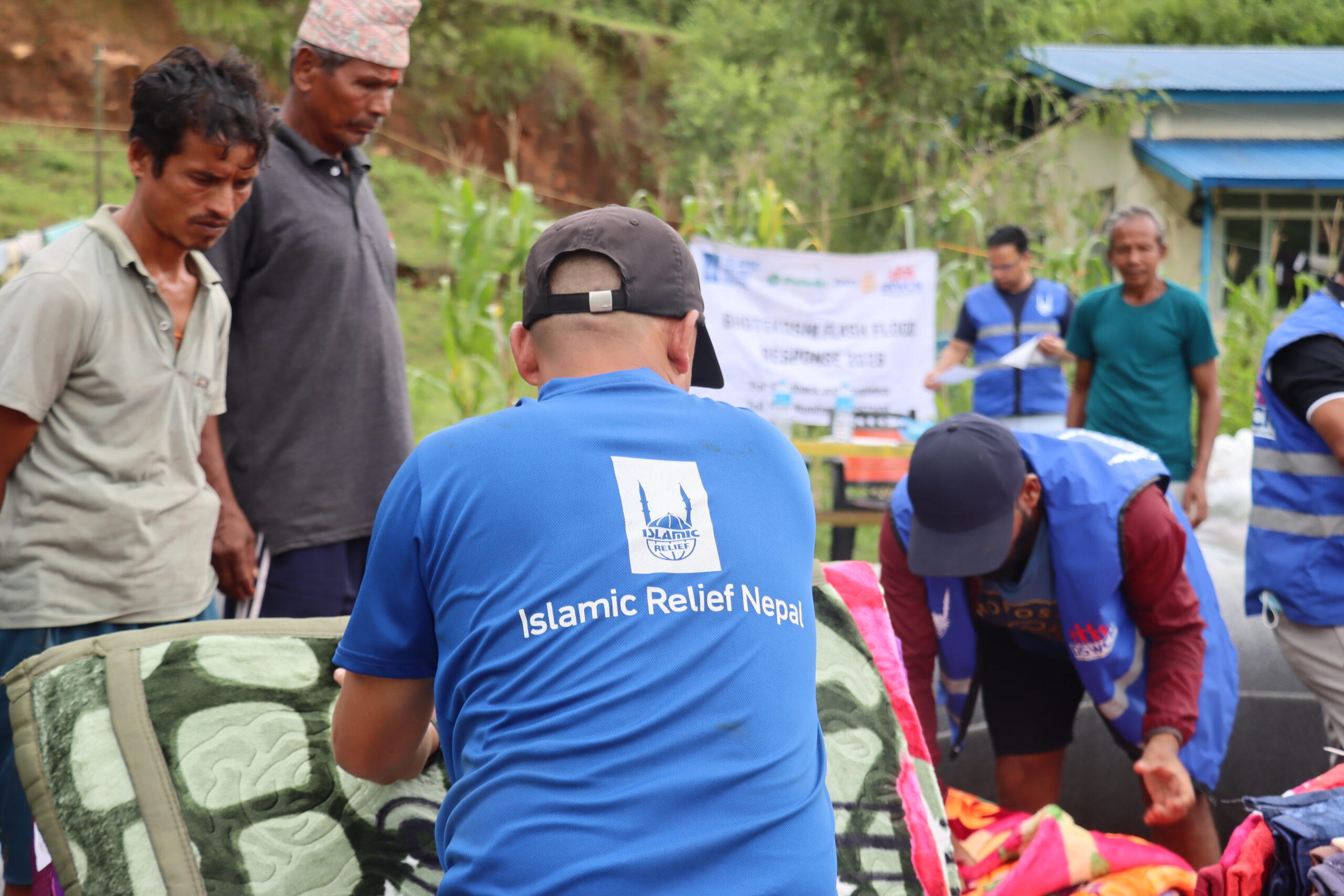
Laxmi Raj Joshi, Islamic Relief’s emergency response manager in Nepal, elaborated on the compounding pressures facing survivors. Whole communities remain permanently displaced, stripped of the homes, income sources, and personal savings that once provided stability. In a matter of seconds, families lost their households, their livelihoods, their land, and their food stores, plunging them into a deepening financial crisis from which it is nearly impossible to recover on their own.
Joshi emphasized the acute anxiety surrounding food security in the coming weeks. With emergency rations fully depleted and survivors lacking the financial resources to purchase food from local markets, the threat of widespread hunger is escalating daily. At the same time, thousands of individuals continue to reside in makeshift temporary shelters, confronting mounting hazards as the colder winter months draw near. Continued, unyielding support is urgently required to prevent catastrophic levels of hunger, secure safe and weather-resistant shelter, and provide the foundation for families to begin rebuilding their lives with dignity.
Expanded Support and Ongoing Logistical Challenges
Despite the tireless efforts of humanitarian organizations, delivering aid to those who need it most remains an uphill battle. Some remote communities are still entirely isolated due to extensive damage to roads, bridges, and infrastructure. More than a month after the disaster first struck, these logistical blockades complicate the continuous flow of humanitarian aid, leaving vulnerable groups waiting longer for essential supplies.
Current assessments indicate that approximately 85,000 people across Nepal remain in urgent need of humanitarian assistance. Among the organizations responding on the ground is Islamic Relief, which mobilized teams within days of the crisis to deliver rapid relief. To date, the organization has provided emergency shelter assistance to nearly 3,000 families, while also distributing specialized two-week food packages to roughly 200 of those households to alleviate immediate starvation.
Looking ahead, the response operation is scaling up to meet the unrelenting demand. Over the coming weeks, Islamic Relief plans to distribute additional food packages and essential shelter kits to a further 275 affected families in the most isolated and distressed areas. However, humanitarian leaders stress that the scale of the disaster far outstrips current resources. Far more assistance is required to alleviate the ongoing suffering of thousands of people who remain displaced, hungry, and vulnerable. Relief organizations are calling on the international community and donors to give generously to ongoing emergency appeals to sustain relief operations and support Nepal’s long-term recovery.