October 8, 2023, marked the beginning of a profound new chapter of fear, uncertainty, and disruption for the people of Lebanon.
What initially began as an exchange of cross-border fire along the southern frontier quickly fed into a devastating wider regional escalation. Today, that conflict casts a long shadow over the nation, continuing three years on, despite formal ceasefires that came into effect in Lebanon in November 2024 and April 2026.
For ordinary families across the country, these years have been defined by repeated waves of intense bombardment. Homes have been reduced to rubble, entire communities have been uprooted from their ancestral lands, and countless lives have been altered permanently. The human toll of the conflict has been immense. Approximately 1.25 million people have been forced to flee their homes, seeking refuge wherever they could find it, while more than 8,900 individuals have lost their lives amidst the violence.
This relentless military pressure has pushed Lebanon’s critical infrastructure to its absolute breaking point. The country was already grappling with compounding catastrophes before the escalation began, having endured years of a crippling economic crisis, the catastrophic Beirut port explosion, and the severe strains of the Covid-19 pandemic.
The resilience of the Lebanese people is frequently celebrated by international observers, but that endurance is being tested yet again as fragile ceasefires threaten to collapse under the weight of ongoing hostilities. Despite a notable drop in large-scale combat operations, daily violations persist. Israeli forces continue to carry out targeted strikes and expand military activities in southern Lebanon, keeping communities on edge and preventing a return to normalcy.
This ongoing insecurity severely threatens the operational capacity of humanitarian agencies trying to deliver life-saving aid, while simultaneously denying civilians the stability they desperately need to rebuild their lives and secure their futures.
"The people of Lebanon continue to live with the devastating humanitarian consequences of conflict, displacement, and deepening needs," says Akram Sadeq, Islamic Relief Lebanon’s Country Director. "People need safety, dignity, and stability, but also immediate access to food, healthcare, clean water, shelter, and livelihoods that can help families rebuild their lives."
Sadeq emphasizes the scale of the ongoing challenge facing humanitarian organizations on the ground. "We remain committed to standing with the most vulnerable, but we cannot do this alone. We urgently call on donors and partners to increase their support and ensure that vital assistance reaches the people who need it most, including the vulnerable local communities across Lebanon."
Standing with Those Who Need Us Most
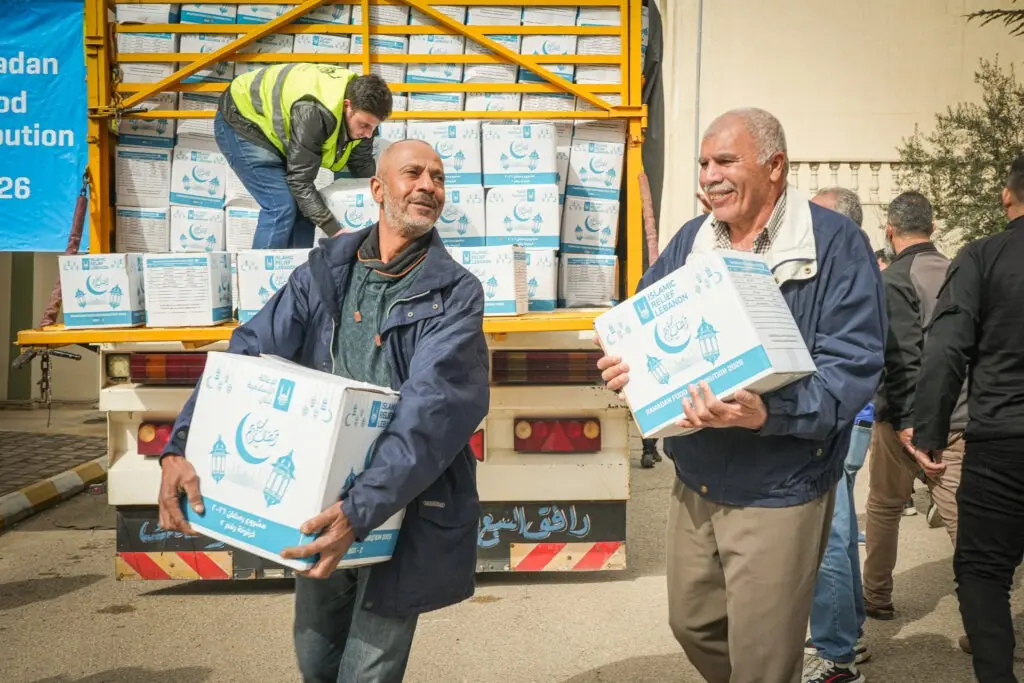
Throughout this protracted crisis, public generosity and sustained solidarity have made it possible for humanitarian organizations like Islamic Relief to stand steadfastly by the side of people in desperate need across Lebanon. Agencies have been forced to continuously adapt and expand their emergency operations to meet rapidly changing conditions on the ground as displacement patterns shift and infrastructure deteriorates.
To date, relief efforts have successfully reached more than 580,000 vulnerable individuals with essential support, spanning emergency food distributions, medical supplies, clean water initiatives, and winterization assistance to help families cope with the harsh seasonal elements.
Thanks to these continued donations, humanitarian workers have been able to ease the immediate suffering of families struggling to survive amid overwhelming upheaval and uncertainty. However, humanitarian organizations stress that the needs on the ground remain immense and continue to outpace available resources.
With sustained public support and renewed backing from international donors, relief agencies can maintain their life-saving interventions and help affected families reclaim their dignity.
The path forward requires turning solidarity into concrete action. As the humanitarian situation remains critical, organizations on the ground continue to appeal for urgent resources to ensure that aid reaches every corner of Lebanon where it is desperately needed.