By Shariah Editor
16 September, 2026

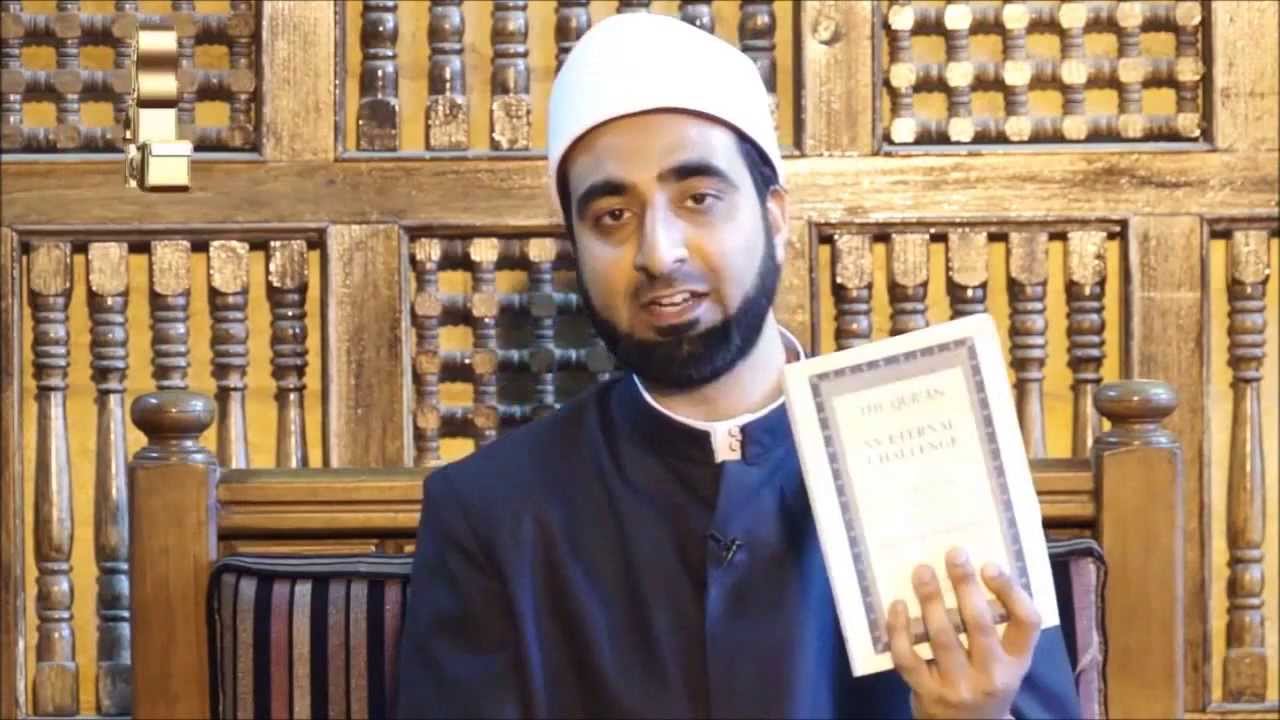
The ongoing academic and spiritual discourse surrounding the divine origins of Islam’s holy text has taken center stage in the latest installment of the popular video series, "The Eternal Challenge." Hosted by prominent scholar Sheikh Sohaib Saeed, the episode dives deep into one of the most fundamental historical and theological inquiries regarding the faith: Who actually taught Prophet Muhammad the Quran?
Throughout the episode, Sheikh Saeed systematically addresses and refutes long-standing allegations and historical misconceptions suggesting that the Prophet was instructed by external human sources, such as Christian or Jewish clergymen of the era, or that he merely compiled and quoted material from previous Abrahamic scriptures. By examining the socio-historical context of seventh-century Arabia and the unique linguistic and structural nature of the Quran, the series aims to provide viewers with a rigorous, evidence-based exploration of how the revelation came to be.

At the heart of the discussion is the stark contrast between the traditional accusations faced by Prophet Muhammad during his lifetime and the verifiable realities of his environment. Historians and theologians alike have long noted that the Prophet was known among his contemporaries as unlettered—unable to read or write—making the sudden appearance of a text characterized by supreme eloquence, profound theological depth, and complex legislative frameworks a subject of immense scholarly study. Sheikh Saeed expands on these arguments, breaking down the impossibility of human authorship or mentorship in the formation of a book that transformed the Arabian Peninsula and went on to influence global civilization.
In addition to examining the human agency debate, the newly released episode dedicates a significant portion of its analysis to the concept of prophecies within the Quran. In theological and academic terms, a prophecy is defined as foretold news concerning future events that are entirely beyond human calculation or foresight. Sheikh Saeed distinguishes genuine prophecy from educated guesses, wise political forecasts, or generalized observations of societal trends.

Within the framework of the series, these fulfilled predictions serve as one of the vital, objective proofs for evaluating the truthfulness of prophets throughout history. The Quran contains numerous references to future occurrences—ranging from geopolitical shifts of neighboring empires to specific internal milestones of the early Muslim community—that subsequently unfolded precisely as described. By highlighting these elements, the program invites both believers and inquisitive minds to evaluate the text through a lens of critical historical analysis and intellectual inquiry.
"The Eternal Challenge" series has consistently drawn attention for its structured approach to defending and explaining the Quranic text against modern and classical skepticism. Sheikh Sohaib Saeed, recognized for his expertise in Quranic studies and tafsir (exegesis), utilizes a combination of textual analysis, historical contextualization, and logical reasoning to make complex theological concepts accessible to a global audience.
For viewers seeking a deeper understanding of these themes, the episode builds upon a broader framework established in earlier installments of the series. Previous discussions in "The Eternal Challenge" have tackled foundational questions about the nature of the Quran itself, exploring what the scripture claims for its own identity and examining the dynamic relationship between the Prophet and the divine message.
Among these foundational segments is the exploration featured in the first episode, titled "The Eternal Challenge: What is the Quran?", which introduces audiences to the primary literary and spiritual miracle of the text. This is followed by further analysis in subsequent episodes, such as "Eternal Challenge: Prophet and Book of Allah," which examines the inseparable bond between the messenger and the message he delivered. Another key installment, "The Prophet Didn’t Make Quran—Rather, Quran Made Him," shifts the analytical focus to how the continuous flow of revelation actively shaped the character, resilience, and leadership of Prophet Muhammad during the most turbulent periods of early Islamic history.
As media platforms and educational series continue to utilize digital spaces to address complex religious inquiries, presentations like Sheikh Sohaib Saeed’s offer a comprehensive resource for students of religion, historians, and individuals looking to engage with Islamic theology on a deeper intellectual level. The full discussion, along with access to the broader archive of the series, remains available online for viewers interested in exploring the ongoing academic discourse surrounding the Quranic text and its enduring impact.