
In an era where modern investors increasingly seek to harmonize their financial portfolios with their personal values, the landscape of global finance is undergoing a significant transformation. At the forefront of this movement is Islamic finance, an ethical financial system that operates in accordance with the principles of Sharia, or Islamic law. Rooted in the foundational concept that wealth should be built responsibly, transparently, and for the collective benefit of society, Islamic finance offers an alternative approach to traditional banking and asset management—one encapsulated by the ethos of trusting in divine guidance while pursuing steady, long-term prosperity.
The appeal of this financial framework lies in its strict prohibition of certain practices that are commonplace in conventional banking, most notably riba—the lending or charging of interest. Instead of generating returns through debt and interest, Islamic finance champions risk-sharing, equity participation, and asset-backed transactions. This means that financial institutions and investors must share in both the profits and the losses of a venture, fostering a more equitable distribution of economic risk. Additionally, Sharia-compliant investing strictly avoids industries deemed harmful to society or the environment, such as gambling, alcohol, tobacco, weapons manufacturing, and conventional financial services that rely heavily on usury.

This deliberate screening process naturally aligns Islamic finance with modern environmental, social, and governance (ESG) investing principles, drawing a diverse array of participants who may not necessarily be Muslim by faith, but who are nonetheless attracted to its inherently ethical nature. By focusing on tangible assets and genuine economic productivity, halal investments seek to build sustainable wealth slowly and securely, steering clear of the speculative bubbles and high-risk financial derivatives that have historically triggered global economic instability.
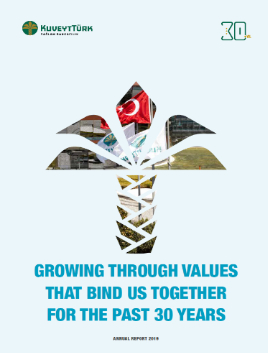
Financial institutions across the globe have increasingly recognized the growing demand for these alternative wealth management products. Among the notable entities contributing to the sector’s transparency and corporate reporting standards are prominent financial institutions such as Kuveyt Türk, whose annual reporting practices offer a window into the robust health and operational transparency of Islamic banking institutions. Through comprehensive annual reports, institutions demonstrate how Sharia-compliant principles are put into practice, managing vast portfolios of participation banking assets, supporting trade finance, and fostering small and medium-sized enterprise growth without compromising ethical boundaries.

As the global market continues to evolve, the intersection of faith-based principles and modern wealth management proves that financial success and ethical integrity are not mutually exclusive. Investors looking to secure their financial futures are increasingly turning to halal investment avenues that promise not only potential economic returns, but also peace of mind. By prioritizing social responsibility, asset-backed security, and the avoidance of exploitative practices, Islamic finance continues to carve out a resilient path forward in the contemporary global economy, inviting individuals from all walks of life to participate in a more conscientious and sustainable model of wealth creation.