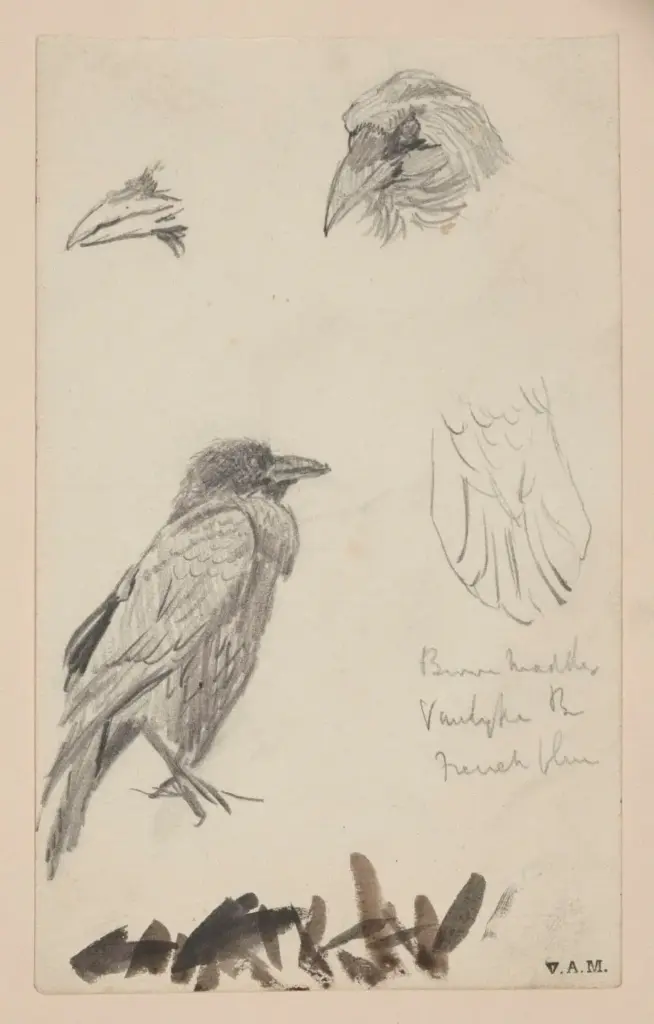
For five months, the Victoria and Albert Museum (V&A) has been home to an intensive cataloguing and research project focused on the works on paper by the celebrated 19th-century artist and illustrator Randolph Caldecott. Best remembered for his iconic annual "Picture Books"—including perennial favorites such as The House that Jack Built and Babes in the Wood—Caldecott left behind an immense visual legacy that helped shape the golden age of children’s book illustration. Supported by the Randolph Caldecott Collection Trust, a dedicated internship at the museum has sought to shed new light on the artist’s life, career, and the intricate process of organizing, researching, and modernizing a major institutional collection.
When the cataloguing project began in June, the core challenge was immediately apparent: managing a collection of nearly 700 drawings, paintings, and prints related to Caldecott. At the outset, only half of these items had the artist’s name properly attached to them within the museum’s collections management software. This digital disconnection made it difficult for the public, researchers, and art enthusiasts to discover the works through the V&A’s online portal, Explore the Collections. Confronted with a long list of outdated records, the project required a multifaceted approach to historical research, detective work, and digital archiving to bring Caldecott’s lesser-known works to light and make them fully accessible to a global audience.

Existing Information
Cataloguing the vast holdings of the V&A—which encompass over 1.3 million objects—is an ongoing, monumental process. Fortunately, many of the Caldecott pieces already possessed varying levels of documentation added by previous colleagues and curators over the years. Ranging from detailed scholarly interpretations to simple name tags, these fragments of information provided a crucial baseline, offering an overview of the immense variety of work housed within the museum. In some instances, physical evidence was preserved directly on the objects’ mounts or historical labels.
Beyond these physical markers, a wealth of institutional history awaited digitization within the historical Registers of Engravings and Drawings from each respective acquisition year. Delving into these ledgers proved to be one of the most rewarding aspects of the research process. These documents provided contemporary context regarding how and when objects entered the museum, allowing researchers to draw direct connections between items acquired around the same time. This archival paper trail laid the groundwork for a more cohesive understanding of the collection, bridging the gap between historical acquisition and modern digital cataloguing.
Exploring the National Art Library
While Randolph Caldecott is widely celebrated for his contributions to children’s literature, his professional output extended far beyond the nursery. He was also a prolific illustrator for adults, contributing extensively to travel books and major periodicals of the Victorian era. In many of the travel books he worked on, comprehensive lists of illustrations were published at the front of each volume. By systematically transferring these titles into the modern object records, researchers were able to contextualize what was depicted in individual proof prints, making it significantly easier for viewers to locate the published versions. Similarly, for Caldecott’s extensive work for The Graphic magazine, identifying the specific issue in which each illustration originally appeared clarified its exact date of creation.
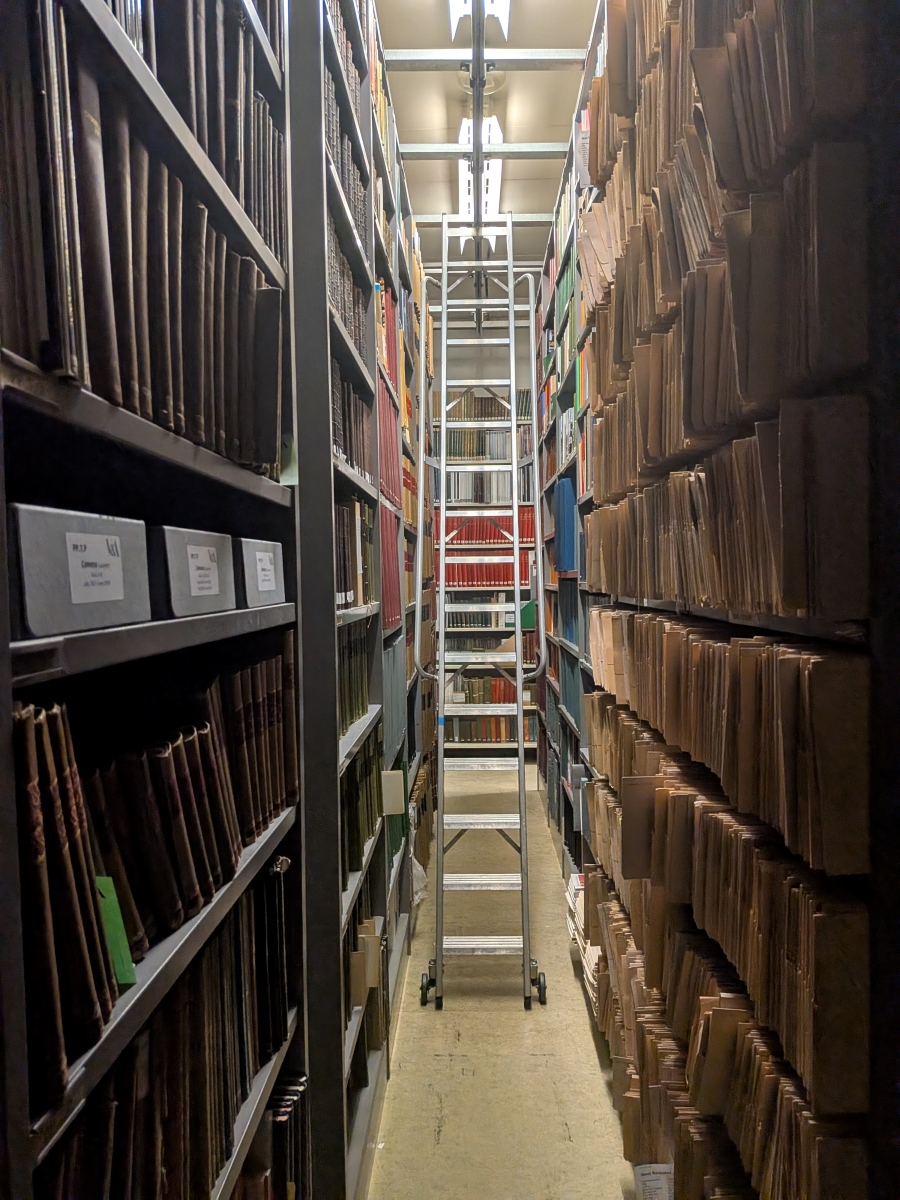
To verify these details, the researcher turned to the National Art Library (NAL), located at the V&A in South Kensington. Housing the largest collection of art, design, and performance literature in the United Kingdom, the NAL is accessible to both museum staff and the general public. For staff members, retrieving research materials involved accessing the library’s towering stacks—including climbing tall ladders to reach massive, bound volumes of The Graphic.
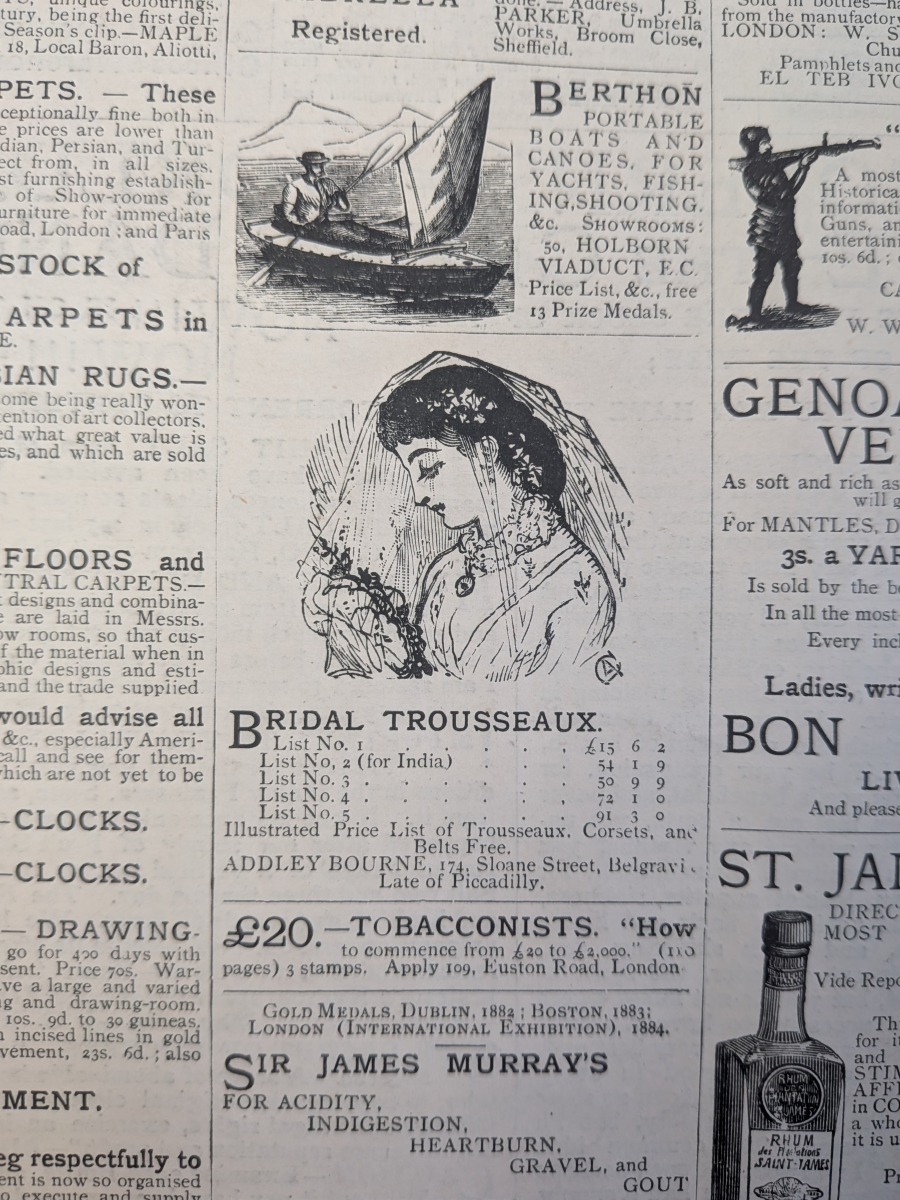
Examining 19th-century copies of the magazine offered a direct window into the visual culture of Caldecott’s era. Beyond hunting for the artist’s published comics, the experience revealed heavily decorated advertisements accompanied by tiny, intricate illustrations. Because such ephemeral pages are frequently discarded or omitted when articles are reprinted or anthologized, viewing the issues in their complete, original format provided a rare and holistic picture of the world in which Caldecott lived and worked.
Further exploration of the NAL’s extensive children’s book collection took place at the V&A East Storehouse. Much like the items available through the museum’s free Order an Object service, these rare volumes are made accessible for public viewing. Caldecott and pioneering wood engraver Edmund Evans were renowned for the exceptional production quality of their children’s books, which featured innovations such as printing in six distinct colors and incorporating multiple double-page spreads within a single publication. Handling these original Victorian copies in person offered not only a profound aesthetic appreciation but also essential context for accurate cataloguing. By ensuring that these physical details are meticulously recorded in the database, remote researchers and enthusiasts unable to visit the museum in person can still access a high level of detailed information.
New Discoveries
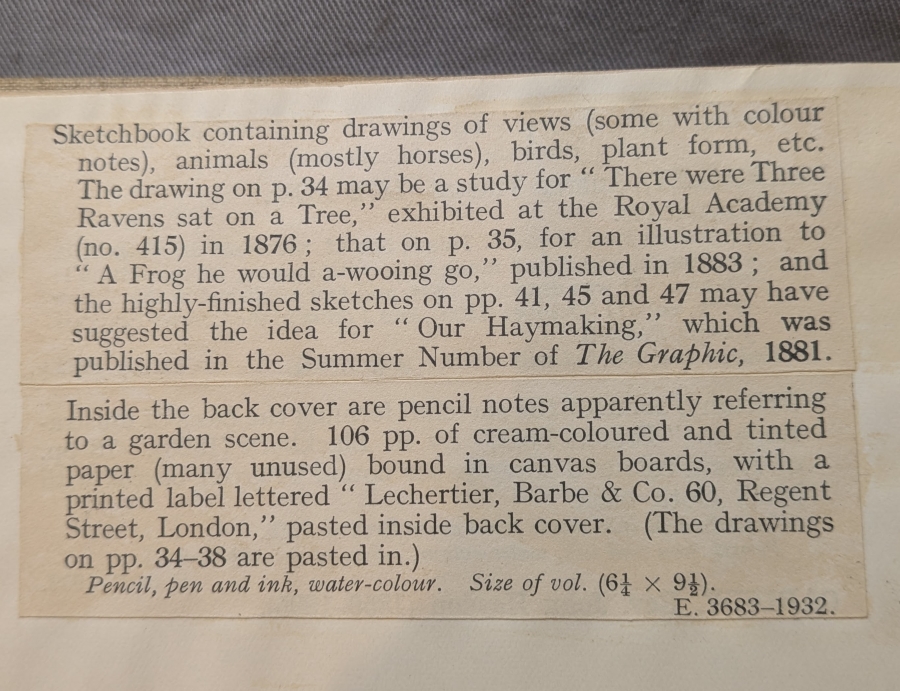
Dedication to an extended period of focused research on a single artist naturally yields unexpected breakthroughs, allowing scholars to trace the creative arc from initial rough sketches to finished, published illustrations. A prime example emerged from the examination of one of Caldecott’s surviving sketchbooks. A historical label affixed to page 35 suggested that the drawing might be a study for an illustration in A Frog He Would A-Wooing Go. However, a closer inspection revealed a discrepancy: while the sketch featured a charming frog, it lacked the characteristic stylish waistcoat worn by the protagonist in the published book. Furthermore, because that specific page had been purposefully pasted into the sketchbook, identifying the true origin of the drawing presented a compelling historical mystery.
The solution materialized during a visit to the Picture Books collection at the NAL at V&A East Storehouse, where the researcher encountered a copy of Jack and the Bean-stalk, published posthumously in 1886. Because the illustrations for the volume were unfinished at the time of Caldecott’s death, the publisher reproduced his preliminary sketches instead. Turning the pages of this rare edition revealed not only the mystery frog sketch in its correct context, but also two additional drawings from the same book—depicting goats and a crow—that had similarly been misidentified in the museum’s records. Updating the object records with these newly established identities ensures that future researchers can seamlessly trace the provenance of these works.
Enquiring with Other Organisations
While the V&A’s own archives and library served as the primary base of operations, collaboration with external cultural and corporate institutions proved invaluable. Inquiries directed to the NatWest Archive shed further light on Caldecott’s lesser-known early career as a bank clerk—a period that heavily influenced his foundational artistic observations. Additionally, reaching out to Houghton Library at Harvard University, which holds the remainder of the original preparatory sketches for Jack and the Bean-stalk, provided crucial comparative material.
By supplying scanned copies of their holdings, Houghton Library allowed for a direct comparison of scale and format, definitively confirming that the sketches housed within the V&A sketchbook belonged to the very same artistic series. This collaborative outreach underscored the vast network of resources available across international heritage institutions, many of which remain accessible to the inquiring public. Through the meticulous cataloguing and contextualization of Randolph Caldecott’s works on paper, the ongoing project at the V&A significantly enriches the museum’s digital platforms, ensuring that the legacy of a foundational Victorian illustrator remains vibrant, discoverable, and deeply understood for generations to come.