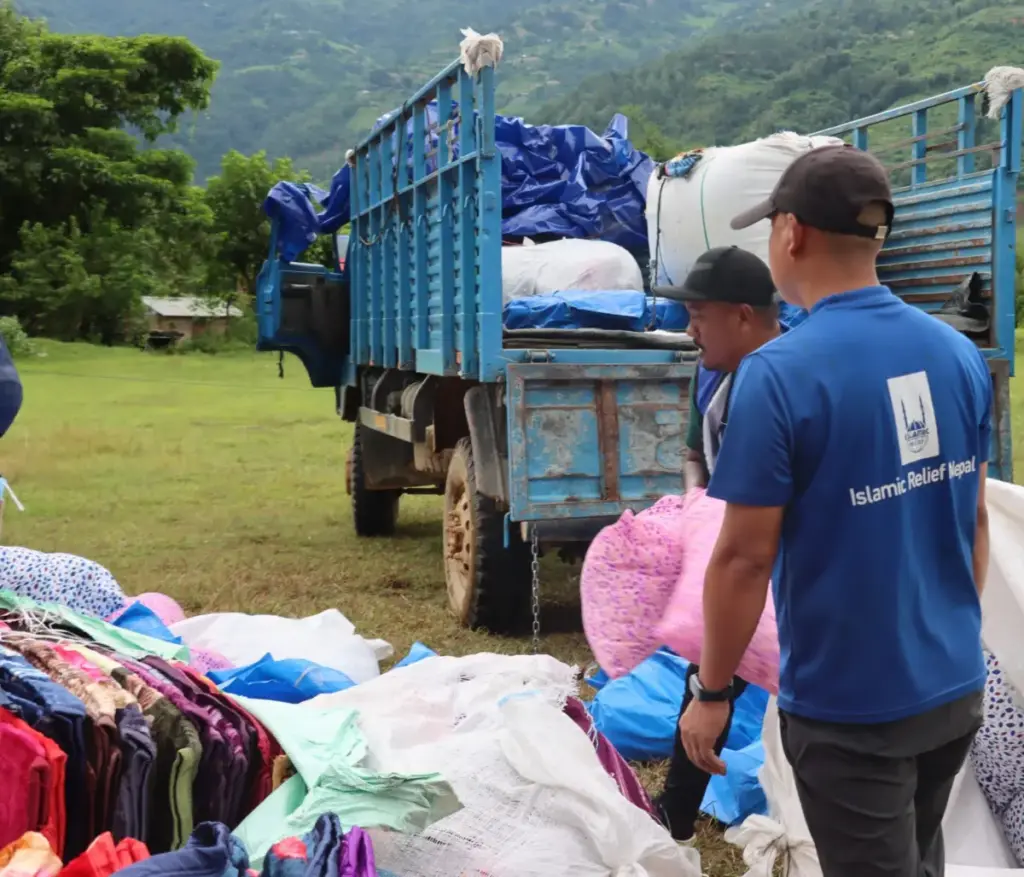
Islamic Relief’s emergency response to the catastrophic floods that struck northern Nepal in August 2026 has achieved a significant milestone, officially reaching 8,000 people with vital humanitarian aid. The ongoing relief efforts are providing a lifeline to communities whose lives were upended by the sudden disaster, which triggered widespread destruction, displacement, and immense loss of life across the Himalayan nation.
As the immediate shockwaves of the crisis begin to settle and weeks pass since the initial disaster struck, aid agencies are navigating the complex realities on the ground. While emergency distribution remains a critical priority for the most vulnerable populations, organizations like Islamic Relief are concurrently laying the groundwork for sustainable recovery, ensuring that affected communities are supported through both the immediate aftermath and the long path to rebuilding.
Targeted Relief Reaches Displaced Families in Rasuwa and Nuwakot
In the hardest-hit areas, frontline distribution teams have been working tirelessly to deliver essential supplies to families who fled their homes with little more than the clothes on their backs. Essential shelter kits, meticulously curated to withstand harsh living conditions, have been successfully delivered to displaced families scattered across the Rasuwa and Nuwakot districts.
These comprehensive shelter kits include heavy-duty tarpaulins, sturdy rope, blankets, pillows, and foam mattresses. For families forced to sleep outdoors, in makeshift setups, or in crowded communal spaces, these supplies offer a vital layer of protection against the elements, providing a modicum of comfort, safety, and dignity during an intensely stressful period.
The scope of the emergency distribution is continuing to scale up to meet overwhelming demand. Over the next two weeks, Islamic Relief plans to widen its geographical and logistical footprint by delivering critical food packs to 550 affected families, ensuring they have reliable access to nutritional sustenance. Additionally, supplementary shelter kits are slated for delivery to another 950 families who have yet to receive adequate housing support, ensuring that fewer people are left exposed as conditions continue to fluctuate.
Transitioning from Immediate Relief to Long-Term Recovery
With three weeks having passed since the initial disaster overwhelmed local infrastructure, the operational focus on the ground is actively shifting from immediate, short-term assistance towards structured, longer-term support. The transition acknowledges that emergency distributions, while lifesaving, are only the first step in a multi-layered crisis response.
To navigate this critical turning point effectively, Islamic Relief has developed a comprehensive three-year Response and Recovery Strategy. This strategic framework is designed to bridge the gap between emergency survival and sustainable rehabilitation, addressing the root vulnerabilities exposed by the disaster.
The primary focus of the three-year strategy centers on several core pillars of community rebuilding. Chief among these is the provision of transitional shelters that offer greater security and durability than temporary tents. Furthermore, the strategy prioritizes the urgent restoration of critical water and sanitation services, which are vital for preventing the outbreak of waterborne diseases in crowded holding centers. Alongside physical infrastructure, the recovery plan aims to help families rebuild their lost livelihoods, empowering communities to regain their economic independence and self-reliance over time.
The Situation Remains Critical Across Affected Regions
Despite the dedicated efforts of humanitarian organizations and local authorities, the situation on the ground remains deeply critical. Displaced families continue to face exceptionally difficult living conditions, struggling daily with limited access to safe drinking water, adequate sanitation facilities, and other essential public services.
For a vast number of residents, returning home is simply not an option. Many homes have been entirely swept away, while others stand structurally compromised in zones deemed too dangerous for habitation. The broader national toll of the disaster underscores the immense scale of the catastrophe. The confirmed death toll in Nepal has tragically reached 1,399 people. Compounding the heartbreak, an estimated 5,179 people are still officially missing. Coordinated search and rescue operations remain actively underway across the worst-affected regions, though rescue teams face severe logistical hurdles as they comb through debris and remote terrain.
Altogether, more than 84,000 people have been left in urgent need of some form of humanitarian assistance, ranging from medical care and food security to psychological support and shelter. Currently, 2,150 displaced individuals are taking temporary shelter across 30 separate displacement camps and holding centers established throughout the region.
These temporary sites are far from permanent solutions. Unstable land formations, persistent river erosion, and damaged local settlements continue to pose ongoing safety challenges. Consequently, disaster management authorities warn that many of those currently displaced may need to be relocated yet again to alternative, safer locations as geological assessments dictate.
Unprecedented Economic Toll and the Call for Continued Support
The financial and economic repercussions of the disaster are staggering. Preliminary assessments conducted by Nepalese authorities have estimated that the floods have caused the equivalent of $2.70 billion worth of damage to infrastructure, agriculture, housing, and public utilities. This immense financial burden threatens to set back regional development for years, placing an extraordinary strain on national resources and local economies alike.
Given the sheer magnitude of the devastation, humanitarian agencies emphasize that much more work remains to be done to help those who are still suffering. The road to recovery will be long, arduous, and resource-intensive, requiring sustained solidarity from the global community.
Humanitarian organizations are urging individuals, communities, and donors worldwide to give generously to ongoing relief efforts. Contributions directly fund vital assistance, helping organizations reach vulnerable families in Nepal with the resources they need to survive, recover, and eventually rebuild their lives. Those wishing to support the ongoing mission can contribute directly to the Nepal Floods Emergency Appeal by visiting the official donation platform provided by Islamic Relief.