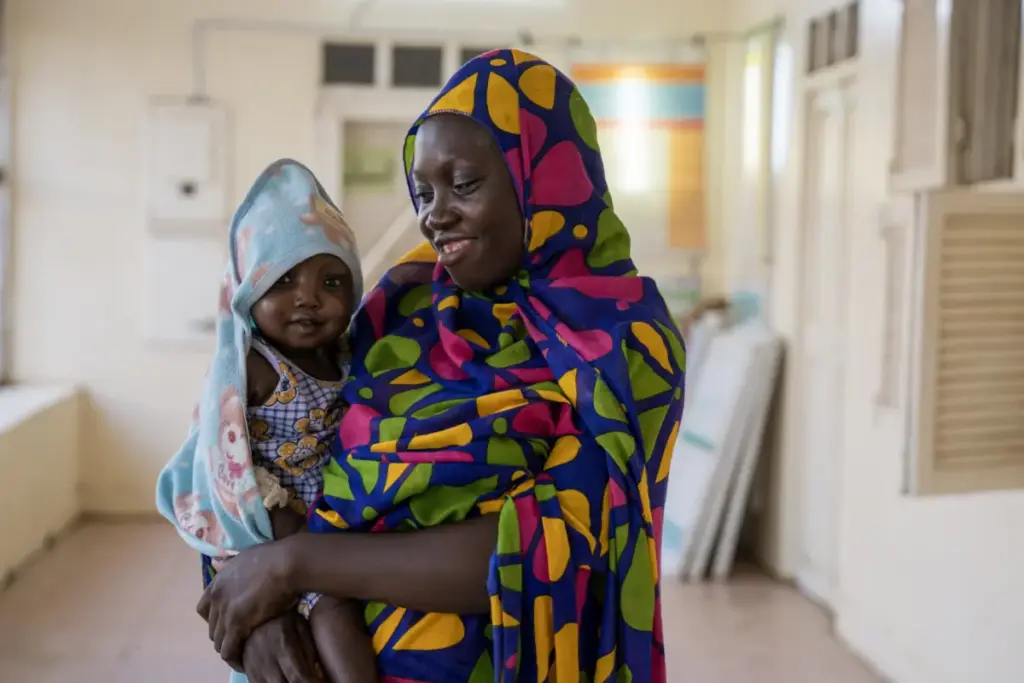
Against a complex backdrop of deepening global crises and a continuously shifting humanitarian landscape, international aid agency Islamic Relief successfully reached more than 13 million people across 41 countries throughout the course of 2025. Demonstrating remarkable resilience despite acute financial constraints and volatile operational environments, the organization has today published the comprehensive account of a defining year, highlighting the profound impact of its life-saving initiatives, long-term development programs, and the enduring dedication of its donors, partners, and frontline staff.
The newly released 2025 Annual Report details Islamic Relief’s extensive humanitarian footprint spanning emergency relief, sustainable development projects, and active global campaigning. Even as international humanitarian funding experienced significant tightening throughout the year—placing unprecedented pressure on non-governmental organizations worldwide—the organization’s core commitment to the marginalized communities it serves remained entirely uncompromised. According to the report, Islamic Relief continued to deliver high-quality, high-impact projects in a timely and efficient manner, ensuring that critical resources reached those facing extreme vulnerability.
The published documentation underscores a year defined by meaningful, measurable impact. From the fragile regions of Iraq to the complex operational theatres of Mali, the detailed accounts within the annual report showcase tangible evidence of how targeted interventions are transforming individual lives and strengthening entire communities. The comprehensive review highlights how strategic program delivery has addressed both immediate survival needs and foundational resilience, offering a clear window into the day-to-day realities of humanitarian field operations.
However, navigating the global humanitarian space in 2025 grew increasingly difficult and perilous. The annual report outlines how delivering aid faced severe logistical and political hurdles, characterized by blocked humanitarian access, the targeted violence against civilians, and a troubling disregard for the international commitments and legal frameworks specifically designed to protect non-combatants during armed conflict.
Rather than limiting its scope to physical aid distribution, Islamic Relief’s institutional response actively challenged these systemic failures. The organization leveraged its global platform to campaign vigorously for an immediate and permanent ceasefire in Gaza, worked tirelessly to keep Sudan’s deeply overlooked and underfunded crisis on the international diplomatic agenda, and raised urgent global alarms over the deliberate use of starvation as a weapon of war as famine took a devastating hold in Gaza. Running parallel to its frontline emergency responses, Islamic Relief continued its unwavering advocacy for core humanitarian principles, arguing that the protection of the world’s most vulnerable populations must remain a non-negotiable global priority.
Reflecting on these significant milestones, leadership at Islamic Relief notes that the organization looks back on 2025 with a clear-eyed awareness that global needs continue to escalate dramatically, leaving a vast amount of work still ahead. The sheer scale of contemporary crises means that humanitarian demands outpace available resources, yet the institutional resolve to stand in solidarity with vulnerable populations remains entirely unshaken. Moving forward, Islamic Relief has pledged to maintain its operational readiness to offer vital support wherever and whenever it is needed most, continuously adapting its strategic response to fit the evolving and complex needs of the diverse communities it serves.
The publication of the 2025 Annual Report also serves as an opportunity for the organization to express its profound gratitude. Islamic Relief has extended its sincere thanks to its extraordinarily generous network of donors and international partners, whose steadfast support has proven vital during a remarkably challenging economic and geopolitical era. The agency emphasizes that the measurable achievements and the millions of lives touched over the past year would have been impossible without this collaborative backing.
As the organization looks toward the future, it continues to call upon the global community for support to sustain its life-saving operations. Members of the public and institutional partners interested in reviewing the full scope of the organization’s financial accountability, programmatic achievements, and field stories can access the complete document via the newly published 2025 Annual Report. Islamic Relief invites supporters to join in its ongoing mission to assist, uplift, and empower the world’s most vulnerable populations as global humanitarian challenges persist into the coming years.