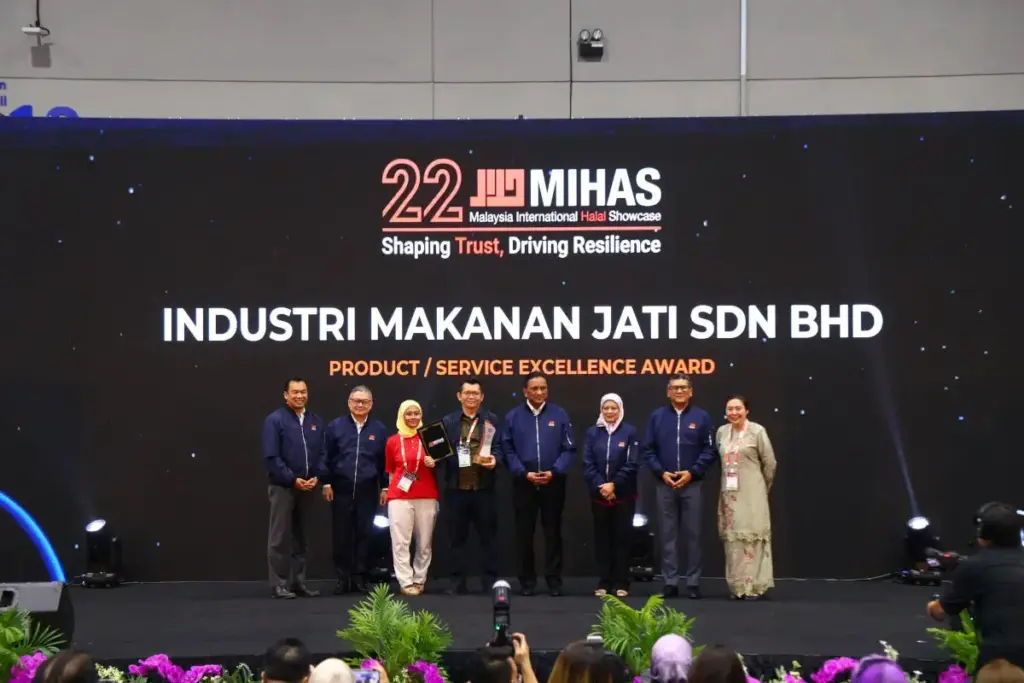
KUALA LUMPUR — In a development signaling a major transformation in the global Islamic economy, the Malaysia International Halal Showcase awarded prizes Friday to 13 companies, marking a profound shift in how the international halal industry measures corporate success and operational excellence.
Rather than focusing exclusively on traditional metrics of product quality and religious compliance, this year’s event organizers have begun rewarding businesses that actively embrace artificial intelligence, advanced sustainability practices, and digital-first operational frameworks. The prestigious awards, now celebrating their second decade, stand as one of the clearest and most influential indicators yet that the broader halal sector—a thriving global market estimated to exceed $2 trillion—is undergoing rapid modernization to meet the demands of contemporary international trade.
Hosted annually by the Malaysian government through the Malaysia External Trade Development Corporation, the comprehensive showcase now encompasses an expansive 14 distinct industry sectors. These range from traditional areas such as food, beverages, and pharmaceuticals to rapidly growing modern segments including Islamic finance and "modest fashion," a widely adopted industry term used to describe apparel that adheres strictly to Islamic guidelines of modesty.
Adding a new dimension to this year’s proceedings, the showcase introduced the Women in Export Awards. This specialized category was established to recognize and honor female-led businesses at a critical time when women remain underrepresented in international commerce, particularly across the dynamic economies of Southeast Asia.
“The halal economy is no longer only about tradition and religious compliance,” said Dato’ Indera Abu Bakar Yusof, chief executive of the Malaysia External Trade Development Corporation, the organization behind the coordination and execution of the major showcase. “It is increasingly about how companies adopt technology and build sustainable practices.”
This strategic evolution within the sector reflects immediate and pressing market realities. As major multinational corporations expand their portfolios to include certified halal product lines—exemplified by global food and beverage giant Nestlé, which secured a high-profile win in the innovation category at this year’s event—smaller regional producers face intensifying pressure to compete on much more than cost and regulatory compliance alone. For these regional players, the showcase has evolved into an indispensable venue for establishing their footprints as competitive exporters in increasingly crowded and sophisticated global markets.
At the same time, the broader expansion of the awards’ judging criteria brings to light important questions regarding the future of the industry. Observers and market participants are increasingly discussing whether traditional halal certifications alone remain entirely sufficient in a modern commercial landscape where end consumers and international corporate buyers increasingly demand rigorous environmental and social accountability, placing these modern values on an equal footing with foundational religious certification.