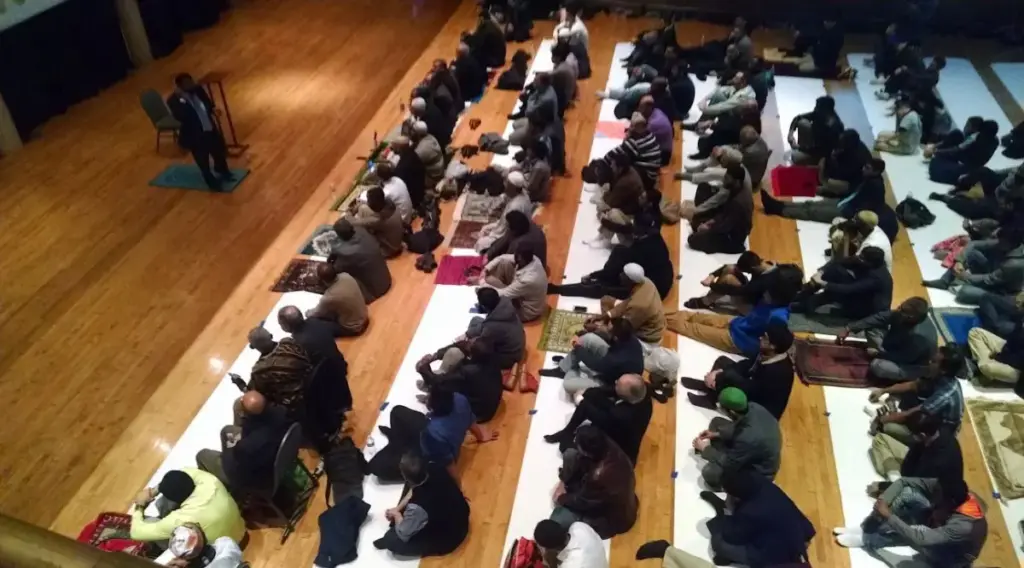
For millions of Muslims around the globe, Friday holds a distinct place of reverence and communal solidarity. The weekly gathering for the Friday sermon and congregational prayer, known as Jumuah, is a cornerstone of Islamic religious and social life. Yet, as religious scholars and community leaders frequently observe, the weekly routine can sometimes transition from an act of profound spiritual renewal into a matter of mere tradition and habit.
Attending the Friday prayer is an obligation for eligible Muslim men, but simply being present within the walls of the mosque is only part of the equation. According to traditional Islamic teachings, much like all other acts of worship, a deliberate intention, or niyyah, serves as a fundamental precondition for the validity and spiritual impact of the Jumuah prayer. To truly reap the fruits of this sacred weekly gathering, attendees are encouraged to approach the experience with heightened attentiveness, mental presence, and spiritual focus.
The significance of the Friday prayer is underscored by numerous traditions of the Prophet Muhammad, peace and blessings be upon him. In a well-known narration recorded by Imam At-Tirmidhi, the Prophet highlighted the immense spiritual cleansing associated with regular attendance. He stated, "The five prayers, and Al-Jumuah to Al-Jumuah are atonement for what is between them, as long as the major sins have not been committed." This profound promise emphasizes the weekly prayer not merely as a weekly social obligation, but as a vital spiritual reset button designed to wipe away minor transgressions and renew a person’s connection with the Divine.
However, realizing this spiritual potential requires more than physical attendance. It demands an active, engaged mindset from the moment an individual prepares to leave for the mosque until the final prayers are completed. Observers and community educators note that many attendees inadvertently undermine their own spiritual experience through various common habits, distractions, or a lack of proper etiquette during the proceedings.
Mistakes During Friday Sermon
One of the critical components of the Friday gathering is the Khutbah, or sermon, delivered by the imam or speaker prior to the congregational prayer. The sermon is designed to provide spiritual guidance, reminders of God, and relevant community insights. Despite its importance, the time leading up to and during the sermon is frequently marred by subtle mistakes and behavioral lapses that can detract from the solemnity of the occasion and diminish the reward of those present.

Common issues range from arriving late—thereby missing the opening remarks and the collective remembrance—to engaging in casual conversations with neighbors while the sermon is actively underway. Islamic jurisprudence strongly discourages speaking during the Friday sermon, with traditional teachings warning that even telling someone else to be quiet can invalidate the spiritual reward of one’s own attendance. Furthermore, physical restlessness, distractions involving mobile devices, and a lack of mental preparation prior to entering the prayer hall all contribute to a diminished engagement with the core message of the Khutbah.
To help community members identify these pitfalls and ensure they fully benefit from the blessings of this weekly gathering, educational resources and digital platforms continue to produce targeted content addressing Friday etiquette. Among these is a short and informative video presentation produced by OnePath Network, which explores the common missteps made during the Friday sermon and offers practical insights on how to rectify them.
By addressing these habits, religious commentators hope to help worshippers transform their weekly routine into a deeply conscious spiritual practice. The video serves as a visual guide for individuals seeking to guarantee that their time spent at the mosque yields its maximum spiritual dividends, aligning their physical presence with the mindfulness required in Islamic worship.
As communities continue to gather week after week, the emphasis remains on elevating the quality of worship above passive habit. Through careful attention to intention, proper etiquette during the sermon, and a conscious effort to eliminate distractions, the Friday prayer can fulfill its traditional promise as a weekly sanctuary for spiritual reflection, communal harmony, and divine forgiveness.