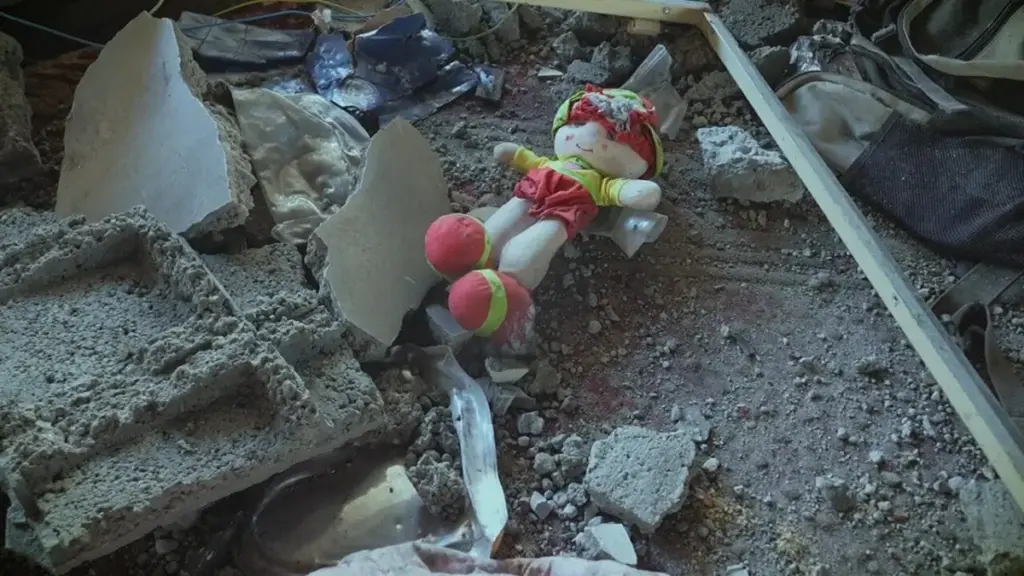
Gaza — One year after a ceasefire agreement was officially reached to halt the devastating hostilities in the Gaza Strip, more than 100 humanitarian, human rights, and civil society organizations have issued a stark warning that the truce exists in name only. According to the coalition of international and local groups, Israeli forces have continued to kill and injure Palestinians on a daily basis, while crippling restrictions on humanitarian aid, heavy equipment, and rebuilding materials have left families trapped in an ongoing cycle of deprivation and unable to recover.
The joint coalition stressed that the staggering levels of violence, destruction, and deprivation currently unfolding in Gaza must not be normalized under the protective cover or legal pretense of a ceasefire agreement. The stark reality on the ground contradicts the diplomatic milestones celebrated a year ago, as the humanitarian situation continues to deteriorate across multiple fronts, affecting nearly every resident in the besieged territory.
Over the past year alone, relentless Israeli military operations, airstrikes, and targeted shootings have claimed the lives of more than 1,400 Palestinians, including at least 327 children. Throughout this period, desperate families and exhausted rescue workers have been forced to recover hundreds of bodies directly from the rubble using their bare hands. This grim reality persists because Israeli authorities have continuously restricted the entry of specialized machinery, cranes, and heavy equipment desperately needed to safely lift collapsed concrete and structural elements. Consequently, many more bodies remain buried and unreachable beneath the ruins of their former homes.
Compounding the physical violence, the Israeli military has systematically expanded its footprint on the ground, moving the so-called Yellow Line further into the interior of the Gaza Strip, well beyond the initial withdrawal boundaries stipulated in the original agreement. This aggressive territorial encroachment has squeezed the Palestinian population into an increasingly constricted, highly dense, and overcrowded zone, severely limiting space for human habitation, makeshift camps, and basic movement.
Recent high-resolution satellite imagery underscores the unprecedented scale of the devastation inflicted by Israeli forces over the course of the conflict and its lingering aftermath. Entire neighborhoods have been systematically reduced to vast fields of rubble, homes have been flattened to their foundations, and once-fertile agricultural lands have been thoroughly razed. Statistical assessments reveal that more than 80 percent of all physical structures across the Gaza Strip have sustained varying degrees of damage, with approximately two-thirds of those structures completely destroyed.
As another harsh winter approaches the region, hundreds of thousands of displaced families continue to endure harrowing living conditions. Stripped of their permanent homes, they remain crammed into flimsy tents, makeshift shelters, or structurally compromised buildings, bracing themselves for a fourth consecutive winter completely exposed to freezing temperatures, biting winds, and seasonal flooding.
Compounding this vulnerability, demographic data indicates that nearly one in four households in Gaza is now headed by a woman. These female-led households face disproportionately high risks of living in severely unsafe, inadequate, or entirely exposed shelter arrangements, lacking the financial resources or societal support structures necessary to secure safer alternatives.
For countless families, the tragedy is compounded by a profound lack of safe refuge. Many have had no choice but to seek shelter inside severely damaged buildings that are structurally compromised and at constant risk of sudden collapse. The fatal consequences of this housing crisis were tragically highlighted in September, when a multi-story damaged building collapsed in Gaza City, instantly claiming the lives of 21 people, including 12 children.
Civil society leaders have expressed profound indignation at the international community’s failure to enforce the terms of the agreement or alleviate the immense suffering of the civilian population.
Jan Egeland, Secretary General of the Norwegian Refugee Council, did not mince words regarding the current state of affairs. "It is utterly shameful that a full year after the ceasefire was signed, so little has improved for Palestinians in Gaza," Egeland stated. "Families are still being forced to make impossible choices, between sheltering in damaged and dangerous buildings or living in tents facing unbearable temperatures. Israeli restrictions are still preventing the required equipment or materials, which are the only ways for communities to begin rebuilding their lives. As winter approaches, all governments must take concrete steps to ensure that the flow of aid increases without hindrance, so that Palestinians can finally begin the vast task of recovery and reconstruction."
The systemic restrictions maintained by Israeli authorities have simultaneously devastated Gaza’s essential public services and infrastructure. Most notably, not a single one of Gaza’s 36 hospitals is currently operating at full capacity or functioning normally. Critical medical supplies, specialized medicines, diagnostic equipment, and fuel remain critically scarce, threatening the lives of vulnerable patients every single day.
Vulnerable populations bear the brunt of this healthcare collapse. Newborn babies dependent on functional incubators, critical care patients requiring uninterrupted oxygen supply or intensive monitoring, older individuals, and people living with disabilities or life-changing wartime injuries face acute, life-threatening risks. Specialized medical treatment, post-traumatic rehabilitation, and assistive devices remain severely limited or entirely unavailable within the strip.
The backlog of patients requiring advanced medical care outside of Gaza continues to grow at an alarming rate. More than 18,500 patients, including at least 4,000 children, are still desperately waiting for medical evacuations to specialized facilities abroad. Tragically, more than 1,000 patients have already died while waiting for the necessary permits and logistical clearances to leave the territory.
Food security is similarly catastrophic. Approximately 1.4 million people across the Gaza Strip are currently facing crisis-level hunger, a condition projected to persist through the end of the year. Simultaneously, the total collapse of municipal water networks and devastated sanitation systems continues to fuel the rapid spread of preventable waterborne diseases and infections throughout the crowded population centers.
Local Palestinian civil society organizations, operating under near-impossible conditions, find themselves on the front lines of this ongoing humanitarian catastrophe. Mohsen Abu Ramadan, a board member of the Palestinian NGO Network, emphasized the immense pressure faced by local responders. "Palestinian organisations are responding to immense needs under Israeli occupation with destroyed offices, displaced staff, and shrinking budgets," Abu Ramadan said. "Local and national organisations are first responders and will remain, but we need to be protected. Governments must act to end Israel’s attacks and restrictions on our work and donors must provide direct, flexible funding to meet the needs."
Echoing these concerns, international child rights advocates highlighted the devastating psychological and physical toll the ongoing crisis continues to exact on the youngest generation. Inger Ashing, CEO of Save the Children, stressed that political agreements must translate into tangible protections for minors. "A ceasefire is meaningless if children are still being killed and families are still unable to rebuild their lives," Ashing noted. "Since the ceasefire was announced, nearly one child has been killed every day. Families remain trapped in a devastating cycle of loss and deprivation, unable to recover. Governments that backed this agreement must use their influence to stop the killing and ensure children can access food, healthcare, shelter and education. Gaza’s children have a right to safety and a future. Governments have the power to help secure both, and they must use it."
A year after the diplomatic breakthrough, the overarching pattern on the ground remains unmistakable and deeply alarming. Families continue to suffer casualties, children continue to succumb to preventable illnesses and structural hazards, and the landscape of Gaza remains heavily littered with unexploded ordnance waiting to detonate. Residential neighborhoods lie buried under impenetrable piles of concrete rubble, while vital humanitarian aid remains stalled at the borders, unable to reach the populations who need it most.
Human rights advocates argue that these deteriorating conditions closely mirror the structural realities that previously prompted the UN Commission of Inquiry, in reports issued in September 2025 and June 2026, to conclude that Israel has committed acts amounting to genocide. Observers maintain that the legal and moral responsibilities of the international community do not end simply with the signing of an agreement on paper.
Agnes Callmard, Secretary-General of Amnesty International, underscored the critical importance of legal accountability in moving forward. "Accountability cannot be swept under the rubble," Callmard stated. "The recovery and future of Gaza cannot be separated from a framework grounded in international law, justice, and the rights of victims. The persistent failure to hold Israel accountable and press Israel to comply with the International Court of Justice’s binding orders continues to fuel the atrocity crimes on a mass scale against Palestinians."