Joint statement by 32 NGOs
Intensifying armed conflict across Yemen’s Taiz governorate is severely disrupting key transportation arteries, heavily restricting civilian mobility, and placing vulnerable populations at immediate risk of losing access to food, water, healthcare, and vital humanitarian assistance. Years of prolonged conflict, economic instability, and the continuous erosion of essential public services have already worn down the resilience of local families. Now, renewed hostilities are compounding these hardships, creating fresh threats to their physical safety, daily survival, and long-term livelihoods.
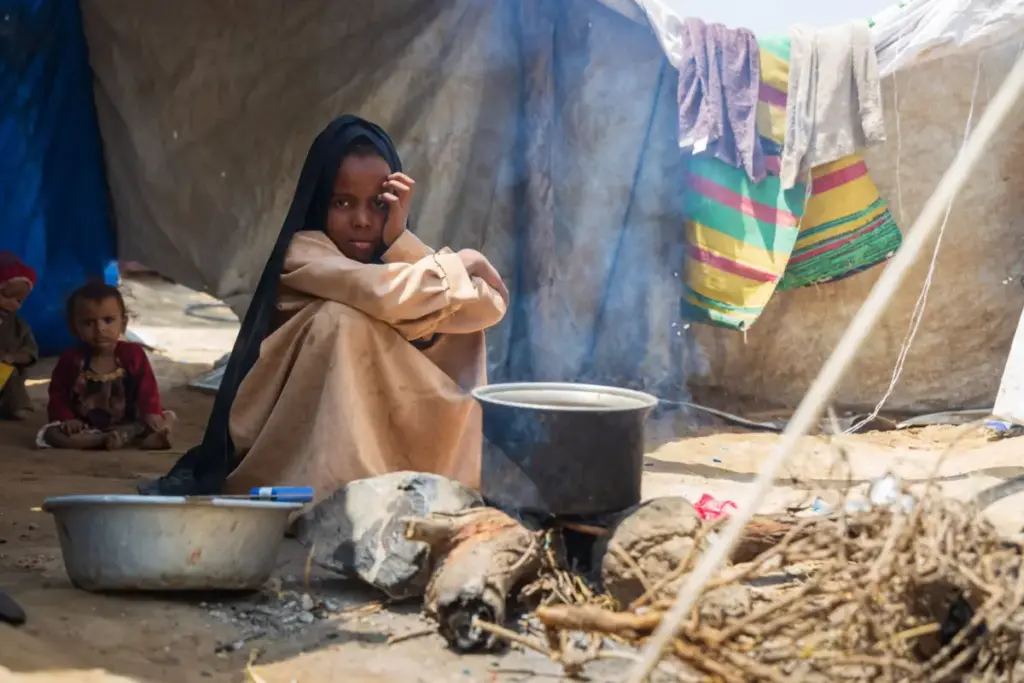
Since the beginning of September, fresh fighting along Yemen’s strategic west coast has forced a substantial number of residents to flee their homes. This latest wave of displacement has added immense pressure not only to the newly displaced families themselves, but also to the already overstretched host communities trying to absorb them.
The human toll of this escalation is already severe and continues to mount daily. In a statement released on September 25, the United Nations Children’s Fund (UNICEF) reported that across Yemen, at least 15 children had been verified killed and 14 others injured since September 3, while another three children remained unaccounted for. Although these figures reflect a nationwide scale rather than isolated casualties exclusively within Taiz, they underscore the profound dangers children face amid escalating hostilities. Humanitarian organizations emphasize that all parties engaged in the conflict carry an absolute obligation to protect civilians and guarantee that anyone injured in the crossfire can reach emergency medical care safely and without dangerous delays.
The scale of the displacement crisis is further illuminated by data from the International Organization for Migration (IOM). In an update published on October 7, the IOM documented that 201,217 individuals have been displaced across Yemen since the broader conflict escalation began in June 2026, with nearly the entirety of that displacement occurring since September 1. According to the organization’s Displacement Tracking Matrix, a staggering 114,708 displaced people are currently sheltering within Taiz governorate alone. This figure accounts for 57 percent of all individuals recorded in this latest displacement wave. Such a massive influx into Taiz is placing unsustainable pressure on host communities and local municipal services, which were already struggling desperately to meet pre-existing humanitarian needs.
Compounding the crisis of displacement and insecurity is an alarming economic shock marked by soaring commodity prices, which are rapidly pushing basic sustenance out of reach for ordinary families. According to a report published on October 9 by Al Jazeera Arabic, the director of Taiz’s statistics office revealed that local market prices have skyrocketed within a matter of days. The price of potatoes doubled in just four days, leaping from 1,000 Yemeni rials to 2,000 rials per kilogram. Simultaneously, the price of flour surged by 50 percent, climbing from 38,000 rials to 57,000 rials. These soaring costs are further exacerbated by persistent shortages of cooking gas and escalating fuel prices, which permeate every sector of the local economy. For households that possess little to no regular income, these dramatic price hikes translate directly into skipping meals, reducing portion sizes, and sacrificing other essential household needs just to survive.
The human reality behind these economic statistics is harrowing. "I can only buy bread that comes to 500 Yemeni Rials, and even that’s not enough for all of us," shares one displaced mother who was forced to flee with her four children. "I divide the bread among my children and go without food myself."
Physical access constraints are acting as a primary driver of this economic distress. Heavily damaged or blocked roads, combined with pervasive insecurity, are severely disrupting the transport of commercial goods into and across the region. Local reports consistently point toward critical shortages of basic food items, cooking gas, and automotive fuel, all of which contribute directly to reduced market availability and inflated prices. Humanitarian agencies stress that keeping commercial and transport routes open for essential goods is critical to preventing an even deeper deterioration of food security across the governorate.
The healthcare infrastructure in Taiz is simultaneously buckling under immense pressure. Field reports from the governorate indicate that medical facilities are experiencing critically low stocks of essential medicines, surgical supplies, and the fuel required to run generators during widespread power outages. This shortage threatens the continuation of emergency medical care, life-saving surgeries, intensive care units, dialysis treatments, and neonatal services. Without immediate and substantial replenishment, patients, trauma victims, pregnant women, and newborns face catastrophic health risks. Furthermore, both permanent residents and displaced families require reliable, uninterrupted access to clean water and adequate sanitation facilities to mitigate the surging threat of cholera and other preventable waterborne diseases.
Vulnerable segments of the population—including children, older persons, and individuals living with disabilities—face magnified barriers when attempting to access essential services. Women and girls, in particular, require continuous, unhindered access to healthcare, safe spaces, and critical protection mechanisms, including specialized support services for survivors of gender-based violence. Pregnant women and breastfeeding mothers require uninterrupted maternal healthcare, adequate nutritional support, and clean water supplies, even while displaced from their homes.
At the same time, ongoing insecurity and severe movement restrictions are drastically impeding humanitarian teams and local partner organizations. Aid workers are finding it increasingly difficult to reach affected communities, conduct comprehensive needs assessments, and deliver life-saving assistance in a safe and timely manner. Operating conditions vary wildly depending on the specific location and can deteriorate with alarming speed. These persistent restrictions on assessments also leave critical gaps in information regarding the true scale of needs, meaning that currently available figures likely fail to capture the full breadth and depth of the crisis. Ensuring safe, sustained humanitarian access remains an absolute prerequisite for organizations to respond at the massive scale required.
We call for urgent action
All parties to the conflict must
Protect civilians and civilian infrastructure in strict accordance with international humanitarian law. This includes safeguarding vital civilian assets such as health facilities and water systems, while taking all feasible precautions to minimize harm to non-combatants.
Ensure safe civilian movement and the regular, unhindered passage of essential commercial supplies, including food, fuel, medicines, and water. Parties must also facilitate safe, timely, and unimpeded access for principled humanitarian assistance, actively preventing any bureaucratic delays, diversion of resources, or interference with relief supplies and humanitarian personnel.
Protect life-saving health services by enabling the rapid delivery of essential medicines, medical supplies, and fuel, while guaranteeing the safe passage of patients, ambulances, and healthcare workers across all lines of conflict.
Donors and humanitarian organisations must
Urgently fund and substantially scale up assistance for displaced families, vulnerable local residents, and host communities, placing top strategic priorities on food security, adequate shelter, healthcare, clean water, sanitation, and protection services.
Support emergency healthcare systems and fully integrated health, water, and sanitation responses aimed at combating outbreaks of cholera and acute watery diarrhoea, including the provision of essential medical commodities and robust support for frontline healthcare workers.
Provide flexible funding streams and practical, operational support to local responders—including women-led organizations—to ensure they possess the capacity to reach hard-hit communities and adapt swiftly to rapidly shifting operational needs.
The people of Taiz urgently need transport routes that remain safe and open for civilians, essential commercial goods, and life-saving humanitarian assistance. Taking immediate action to protect these critical lifelines can prevent further loss of human life, escalating hunger, and the total collapse of essential public services.
The following 32 organisations have signed this joint statement:
ACCEPT International
Action for Humanity International
ADRA Yemen
CARE International
Center for Civilians in Conflict (CIVIC)
Concern Worldwide
Danish Refugee Council (DRC)
Diakonie Katastrophenhilfe
Dorcas Aid International
Geneva Call
Handicap International – Humanity & Inclusion (HI)
Helpcode Italia ETS
Humanitarian Aid & Development (HAD)
International NGO Safety Organisation (INSO)
International Rescue Committee (IRC)
Islamic Relief
MedGlobal
Mehad
Muslim Hands UK
Norwegian Refugee Council (NRC)
Oxfam
Polish Humanitarian Action (PAH)
Première Urgence Internationale (PUI)
Prosper Global
Pure Hands
Relief International
Saferworld
Save the Children International (SCI)
Secours Islamique France (SIF)
Solidarités International
War Child Alliance
ZOA