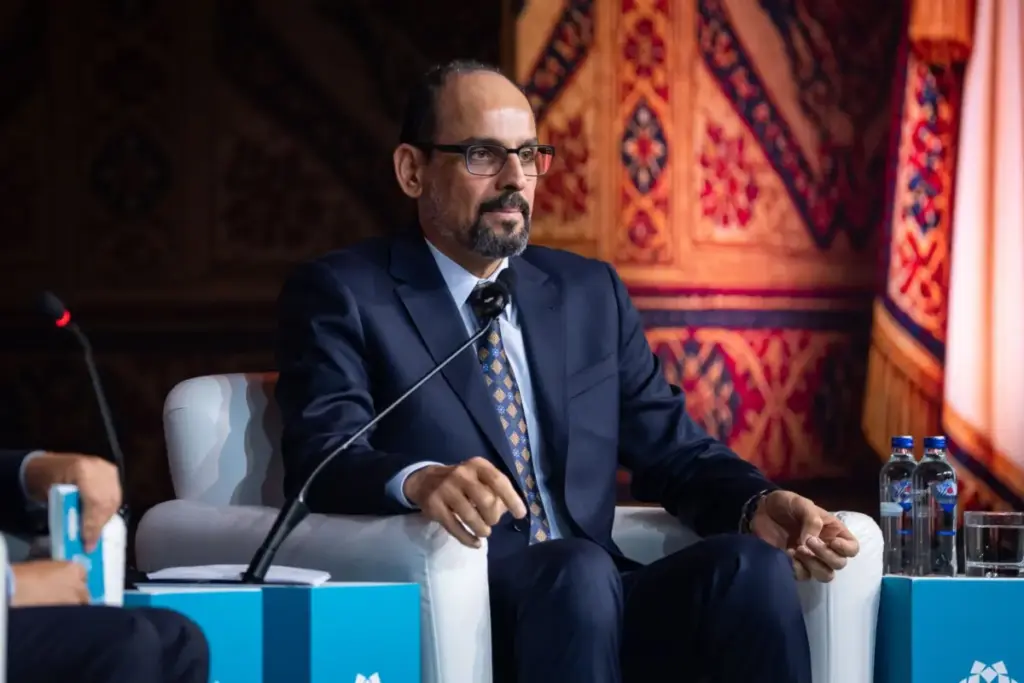
ABU DHABI — İbrahim Kalın, the chief of Türkiye’s National Intelligence Organization (MIT), traveled to Abu Dhabi for high-level diplomatic and security discussions with senior Emirati officials, marking another milestone in the rapidly evolving strategic partnership between Ankara and the United Arab Emirates.
The high-stakes diplomatic visit focused heavily on regional security, counterterrorism cooperation, and joint diplomatic initiatives aimed at fostering stability across the Middle East. Kalın was formally received by UAE Vice President Sheikh Mansour bin Zayed Al Nahyan during his engagements in the Emirati capital. Türkiye’s Ambassador to Abu Dhabi, Lütfullah Göktaş, announced the meetings on the social media platform X, highlighting the growing institutional trust and frequent high-level exchanges between the two regional powers.
In addition to his meeting with the UAE vice president, the Turkish intelligence chief held extensive talks with UAE National Security Adviser Sheikh Tahnoun bin Zayed Al Nahyan and Ali al-Shamsi, the secretary-general of the Supreme Council for National Security. The inclusion of these top security figures underscored the sensitive and strategic nature of the agenda, which centered on navigating an increasingly volatile geopolitical landscape in the region.
According to statements released following the consultations, the two sides engaged in comprehensive evaluations regarding joint efforts to strengthen regional security, economic resilience, and long-term political stability. The discussions reaffirmed both nations’ commitment to leveraging their diplomatic and intelligence capabilities to address shared security challenges, manage regional flashpoints, and promote a cooperative approach to Middle Eastern affairs.
Ambassador Göktaş emphasized the profound strategic significance of the ongoing diplomatic thaw and institutional alignment between the two countries. "We believe our strategic partnership with the UAE will make a serious contribution to consolidating regional security and peace," the Turkish ambassador stated, reflecting the optimistic tone surrounding bilateral relations in recent years.
The diplomatic momentum between Ankara and Abu Dhabi represents a dramatic turnaround from a prolonged period of intense regional rivalry. For years, ties between Türkiye and the United Arab Emirates were severely strained by competing foreign policy objectives, divergent geopolitical alignments, and intense competition for influence across the broader Middle East and North Africa. Most notably, the two regional powers backed opposing sides during the turbulent Libyan conflict, fueling a proxy standoff that heightened diplomatic tensions and froze high-level political dialogue.
However, as regional realities shifted and both governments recognized the imperative of economic cooperation, diplomatic de-escalation, and conflict resolution, a concerted effort was launched to mend fences and reset bilateral ties. The turning point in this historic diplomatic reconciliation occurred in August 2021, when Sheikh Tahnoun bin Zayed Al Nahyan visited Türkiye for high-level meetings. That landmark visit served as the first major catalyst toward mending diplomatic fences, clearing the path for a series of confidence-building measures and high-level engagements.
The diplomatic thaw gathered further momentum later that same year when Sheikh Mohammed bin Zayed Al Nahyan traveled to Türkiye for an official visit, cementing the political reconciliation at the highest leadership level. Since then, Ankara and Abu Dhabi have worked systematically to rebuild trust, expand trade and investment portfolios, and establish institutional mechanisms for regular dialogue on regional security issues.
The latest visit by MIT chief İbrahim Kalın to Abu Dhabi highlights how intelligence and security cooperation has become a core pillar of this renewed partnership. As geopolitical complexities continue to test regional stability, the ongoing alignment between Türkiye and the United Arab Emirates demonstrates a shared recognition that diplomatic engagement and strategic coordination are essential for navigating shared challenges and securing long-term peace in the region.