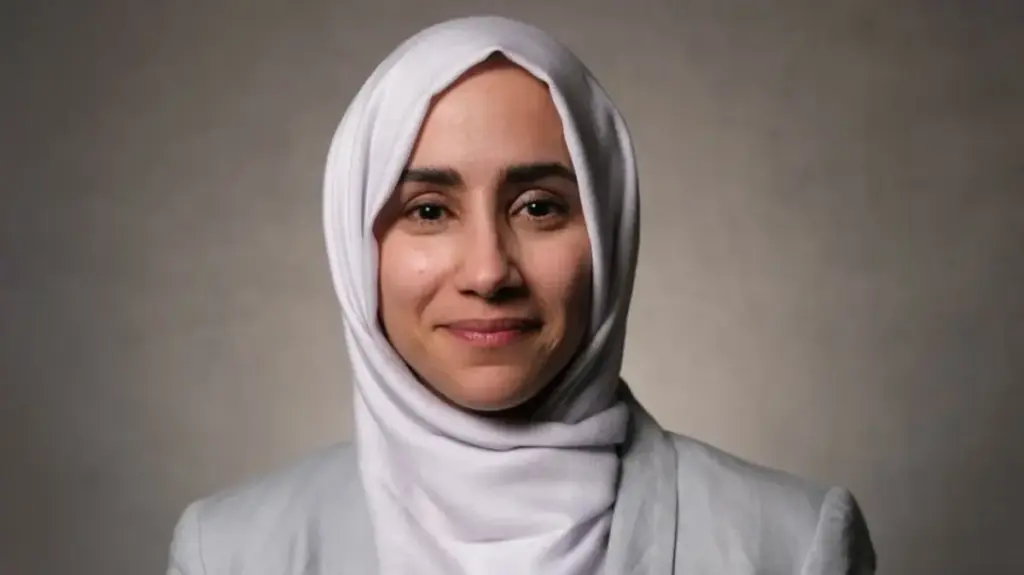
Professor Mariam Jamal-Hanjani has been officially appointed as the new Chief Clinician at Cancer Research UK, stepping into a prominent leadership role designed to steer the charity’s clinical research strategy and spearhead national efforts to improve cancer treatment, diagnosis, and patient care.
In her new capacity, Professor Jamal-Hanjani will help guide the direction of one of the world’s leading cancer research organizations, working closely with researchers, clinicians, and health institutions to turn scientific breakthroughs into tangible benefits for patients across the United Kingdom and beyond. Her appointment marks a new chapter for the charity as it continues to tackle some of the most complex challenges in modern oncology, including understanding how cancer develops, spreads throughout the body, and evades therapeutic interventions.
An Internationally Recognized Authority in Cancer Genomics
Professor Jamal-Hanjani is widely acknowledged as a leading figure in the scientific community. Alongside her new leadership role at Cancer Research UK, she serves as a Professor of Cancer Genomics and Metastasis at University College London (UCL), where her academic and laboratory work focuses on the intricate mechanics of tumor evolution.

As an internationally recognized researcher, her core scientific focus centers on understanding how cancer cells mutate, adapt, and spread from their primary sites to other parts of the body—a process known as metastasis—and how these cellular changes lead to treatment resistance. When cancers become resistant to chemotherapy, radiotherapy, or targeted drugs, they often become significantly more difficult to treat, making Professor Jamal-Hanjani’s work vital to the future of oncology.
Her extensive research portfolio includes leading major, high-impact scientific studies investigating lung cancer. Through these comprehensive investigations, her teams have helped the global scientific community gain a much clearer picture of how individual tumors change and diversify over time within the same patient. This dynamic view of cancer progression challenges traditional static models of diagnosis and treatment, opening up new avenues for precision medicine. By understanding the precise evolutionary trajectory of a tumor, researchers hope to pave the way for more targeted treatments that can adapt to changing cancer cells, ultimately leading to better survival rates and long-term outcomes for patients facing complex diagnoses.
Leadership Praise and Vision for the Future
The appointment has drawn strong support from leadership across the scientific and medical sectors. Michelle Mitchell, Chief Executive of Cancer Research UK, warmly welcomed Professor Jamal-Hanjani to the role, highlighting her exceptional track record in leading complex scientific investigations and multidisciplinary teams.
Reflecting on Professor Jamal-Hanjani’s professional background and leadership capabilities, Michelle Mitchell stated that she brings deep experience in guiding high-performing research teams capable of delivering radical new insights into the behavior of cancer. These insights include understanding how tumors grow, spread, resist medical treatments, and occasionally return after periods of remission, knowledge that is fundamental to developing next-generation cancer therapies.

Expressing her own thoughts on taking on the prestigious position, Professor Jamal-Hanjani emphasized her dedication to the charity’s core mission and the profound privilege she feels in stepping into the role. She noted that Cancer Research UK holds an extraordinary, proven track record of translating laboratory discoveries and fundamental scientific research into real-world benefits for patients in clinics and hospitals. Having the opportunity to help shape that ongoing mission is a responsibility she embraces with great enthusiasm.
Furthermore, Professor Jamal-Hanjani highlighted the critical importance of accelerating the timeline from initial research discovery to improved clinical outcomes for patients. In discussing the operational landscape of UK healthcare, she pointed to the National Health Service (NHS) as a monumental asset, serving as a vital bridge that connects cutting-edge scientific discoveries directly with the patients who need them most. Strengthening this connection remains a key priority as she begins her tenure.
A Seamless Transition in Leadership
Professor Jamal-Hanjani officially commenced her new responsibilities as Chief Clinician in October 2026. In taking on the post, she succeeds Professor Charles Swanton, a distinguished oncologist and researcher who held the position with distinction since 2017. During his tenure, Professor Swanton played an instrumental role in advancing the charity’s clinical research agenda, fostering innovation, and championing large-scale genomic studies that have reshaped the understanding of cancer evolution.
As Professor Jamal-Hanjani steps into the role, she inherits a robust foundation of clinical research initiatives and a clear mandate to build upon past successes, driving forward innovations in cancer detection, personalized medicine, and therapeutic development.