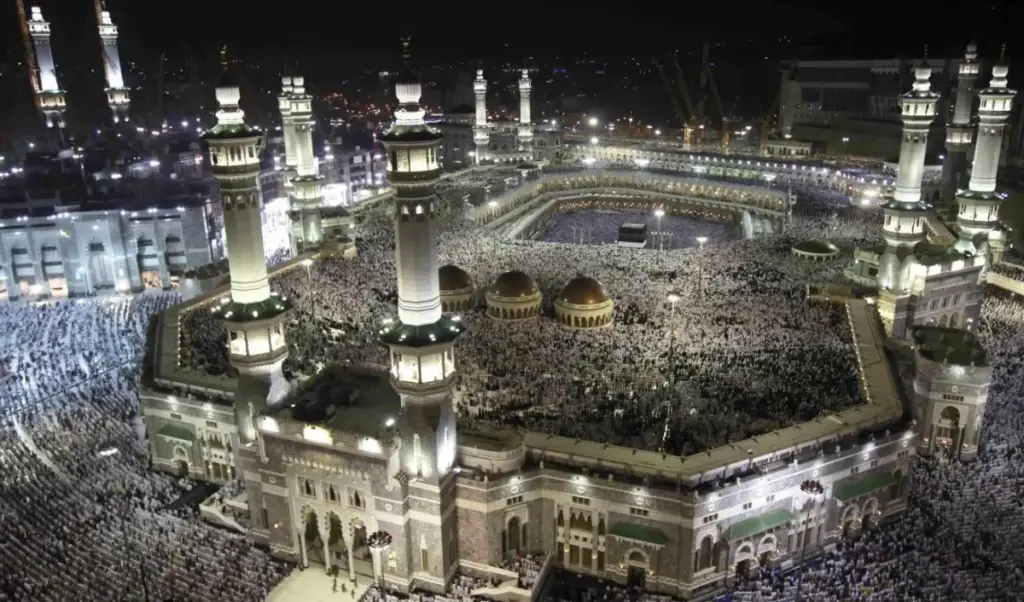
In contemporary Muslim communities, the management and social atmosphere of mosques often reflect a complex set of cultural norms, particularly concerning the presence and movement of women. One of the most prominent issues facing modern mosques that welcome female worshippers is an underlying, sometimes excessive sensitivity toward ordinary, everyday interaction between men and women. In many cases, strict bans or heavy social disapproval govern these encounters inside places of worship. This phenomenon presents a striking contradiction, given that the exact same men and women navigate professional, educational, and social spaces in the wider community, interacting normally and respectfully on a daily basis.
To understand how contemporary practice has evolved—and where it sometimes diverges from historical precedent—scholars and community leaders frequently refer back to the Sunnah, the traditions and practices of the Prophet Muhammad. Historical records and canonical texts reveal that interaction between men and women within the sacred space of the mosque was not only present during the Prophet’s lifetime, but it was viewed as entirely normal. These interactions encompassed a broad spectrum of religious, educational, and communal affairs, demonstrating a balanced integration of both genders within the heart of the community.

While critics of mixed spaces sometimes point to potential infractions or misunderstandings, historical accounts indicate that such occurrences were exceptionally rare. When violations or inappropriate behaviors were reported during the early Islamic period, they were treated as isolated, individual cases. Crucially, they did not prompt radical changes to the foundational legal rulings governing social interaction, nor did they require alterations to the physical arrangement of prayer rows or the architectural design of the mosque itself. The Prophet’s approach accommodated human nature while maintaining a respectful, dignified environment.
What the Sunnah Says About Mosque Life
To illuminate how early Muslims balanced community engagement with modesty and decorum, numerous narrations—known as Hadiths—have been preserved by both male and female Companions. These accounts illustrate what can be accurately described as natural and uncomplicated interaction between men and women inside the mosque. They offer clear historical windows into early Islamic society that require little elaboration to understand their practical application.

A primary example of this dynamic is preserved in a narration by Asma, who recounted a pivotal moment during a public address by the Prophet Muhammad. According to her account, the Messenger of Allah stood up among the congregation to deliver a sermon, during which he addressed the serious and sobering topic of the trials a deceased person faces in the grave. The gravity of the subject caused a sudden clamor and murmuring among the gathered crowd, creating enough noise and distraction that Asma was prevented from hearing the concluding words of the Prophet’s sermon.
Rather than remaining isolated or hesitant to seek clarification due to gender barriers, Asma immediately turned to a male member of the congregation standing nearby. Displaying the ordinary curiosity and desire for knowledge characteristic of the community, she addressed him directly, saying, "May Allah bless you, what did the Messenger say concluding his sermon?" The man readily answered her inquiry, conveying the core of the message: "It was revealed to me that you would be tested in your graves in a manner almost similar to that of the Dajjal’s trial."
This straightforward exchange, occurring within the immediate presence of the Prophet and the broader assembly of worshippers, highlights the absence of artificial barriers that sometimes characterize modern facilities. The ease with which a female Companion sought knowledge from a male peer inside the mosque underscores a community ethos built on mutual respect, open communication, and shared spiritual inquiry. As contemporary mosque administrators and community planners grapple with questions of space, access, and social etiquette, returning to these foundational precedents offers a valuable framework for fostering inclusive, welcoming environments that mirror the traditions of early Islamic community life.