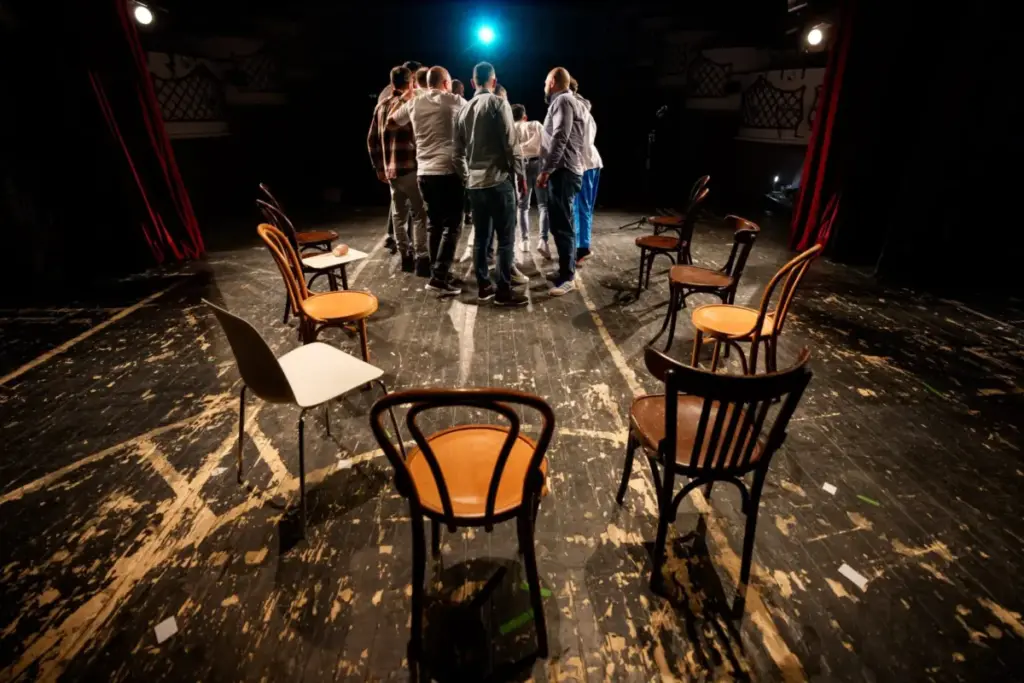
For dozens of prison inmates in Romania, the rigid routine of life behind bars was temporarily replaced this week by the bright glare of theater lights, the rustle of stage costumes, and the echoing resonance of applause in a renowned capital city theater.
The occasion was the 15th edition of the "Dana Cenusa – Unshackling through Culture" Multiart Festival. Organized by the National Administration of Penitentiaries, the cultural event was hosted at the esteemed Nottara Theatre in Bucharest, bringing together 59 inmates hailing from seven different correctional facilities located across the country.
Launched initially in 2009, the prison theater festival was designed to offer incarcerated individuals a constructive route toward eventual social integration. Beyond teaching the craft of acting, the initiative aims to combat widespread societal stereotypes by granting theatergoers a rare, empathetic opportunity to discover the human being living beyond a legal status or a prison record.
Madalina Iosif, a spokesperson for the national prison administration, explained to The Associated Press that true social reintegration entails far more than simply holding individuals accountable through custodial sentences. She emphasized that meaningful rehabilitation requires actively engaging inmates in diverse educational, cultural, and social activities to adequately prepare them for a fresh start upon their release.
The artistic lineup featured a series of ambitious performances crafted through intensive collaborations with 12 professional theater directors and practitioners. The showcased productions spanned a wide range of thematic material, stretching from a poignant adaptation of Samuel Beckett’s classic existentialist play "Waiting for Godot" to original and contemporary works titled "Locked Within Myself" and "The Sweetness of Doing Nothing LTD." The production of Beckett’s masterpiece notably drew inspiration from "The Silent Escape," a powerful memoir penned by the late Romanian political prisoner Lena Constante, bridging historical struggles with modern-day reflections on confinement.
For Patricia Prisacariu, the director of the festival’s adaptation of "Waiting for Godot," the journey from initial apprehension to opening night was both difficult and deeply memorable.
"I won’t lie to you, it was hard at first. It was a challenge for me," Prisacariu admitted. "But I think I’ve learned to see their sensitive side and to bring out what is pure within them. I’ve come to understand that ‘Godot’ means something different to everyone … I am truly glad to have met these wonderful people."
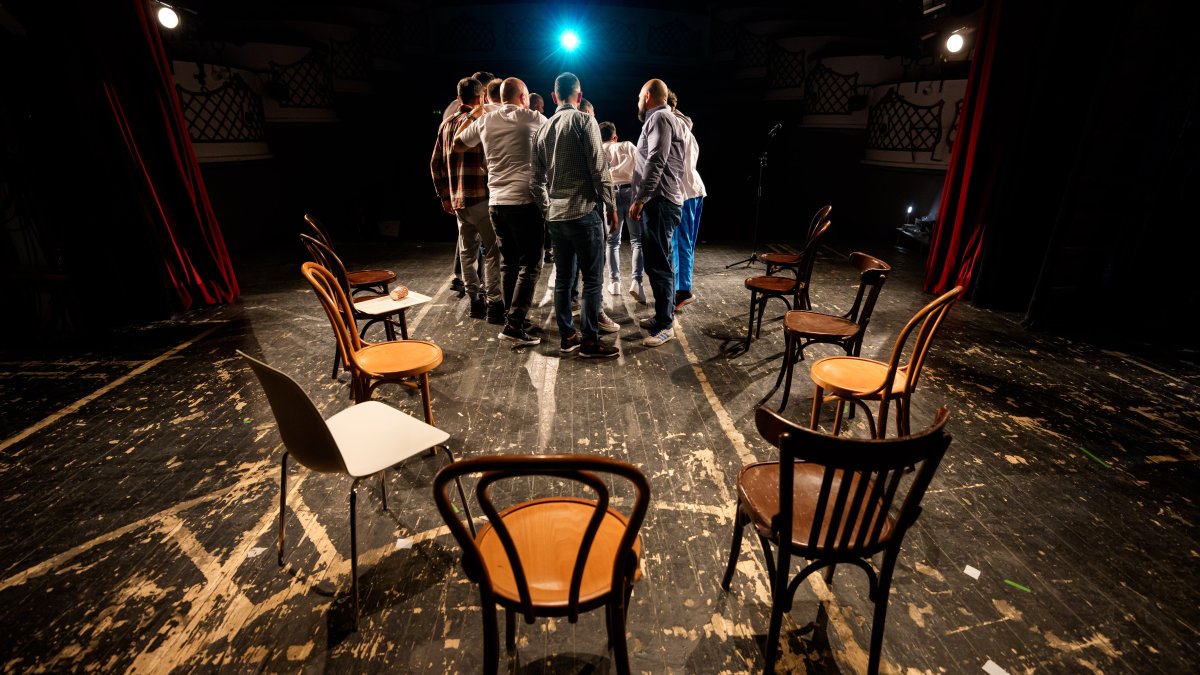
Over the course of its fifteen-year history, the festival has demonstrated remarkable resilience and continuity. Since its inception in 2009, the event has been held every single year, with the sole exception of 2020, when global disruptions caused by the COVID-19 pandemic forced a temporary pause. Over the years, hundreds of inmates have stepped onto professional stages to perform in scores of plays written by both theater professionals and the prisoners themselves.
While participation in the demanding drama festival does not automatically guarantee a shortened sentence or outright clemency, it serves as a valuable incentive within the correctional system. Inmates who are selected for the rigorous rehearsals and final performances can earn bonus points. These accumulated points can then be applied toward tangible privileges, such as securing extra family visitors or gaining faster access to parole hearings.
Stepping into the spotlight was not an entirely new experience for everyone involved. Among the performers was 32-year-old inmate Pavel Alexandru Cristian, who previously took part in the festival three years ago and returned this year to appear in the production "Locked Within Myself."
"I was selected three years ago. This year, we will be performing a piece—a monologue-based performance—centered on our inner fears," Cristian shared ahead of the performance. "I will play the role of a police officer, tasked with drawing certain conclusions by the end."
The psychological and emotional transformation fostered by the theatrical process was underscored by prison officials who work closely with the participants day in and day out. Maria Caramalau, a prison police inspector stationed at Vaslui Prison in eastern Romania, noted that these artistic productions grant inmates a vital window to perceive a multi-dimensional identity that they, and society, might otherwise overlook.
"When you are someone deprived of your liberty, you tend to see yourself as having only flaws," Caramalau observed.
She added that the healing nature of the arts extends far beyond the physical stage: "But in the moment you receive applause on stage, when a person’s positive side is revealed, it becomes clear that … whether free or behind bars, art has the power to help us escape, in a sense, from our own fears."