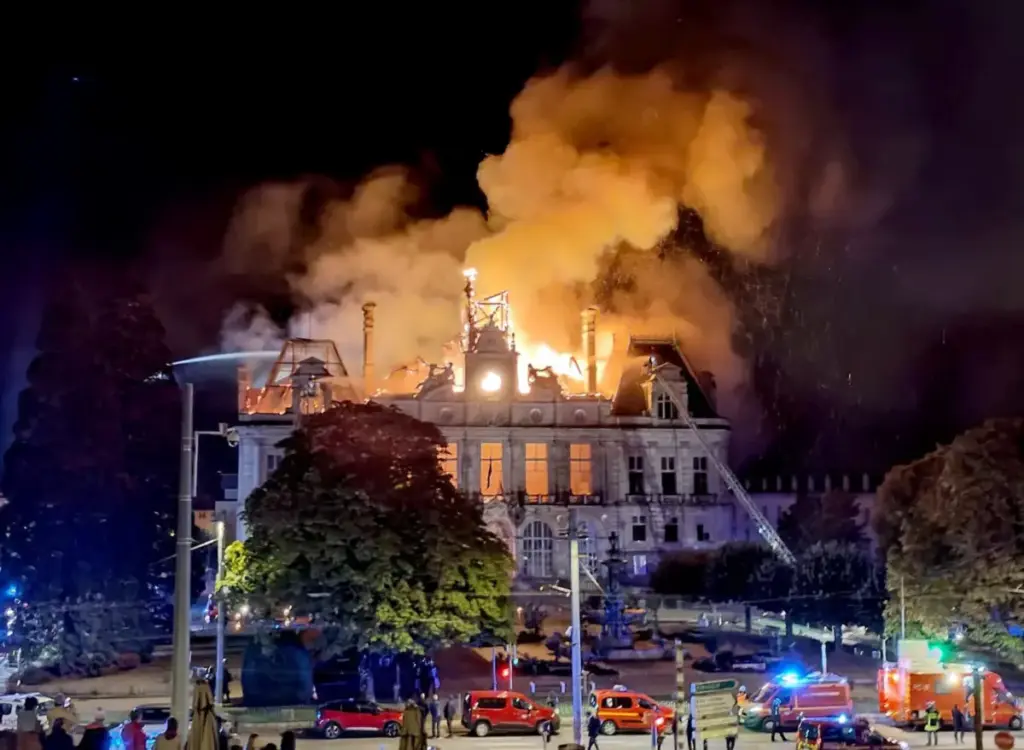
The modern world system, forged in the fires of European expansion beginning in the 15th century, is undergoing a profound and historic structural realignment. For half a millennium, developments originating in Europe largely shaped the trajectory of global affairs, establishing the prevailing political, economic, social, academic, and scientific standards. Even the bipolar geopolitical architecture of the Cold War—dominated by the twin superpowers of the United States and the Soviet Union—functioned as a system fundamentally rooted in Western paradigms.
Over the past several decades, however, European nations have experienced a gradual erosion of their central position in international politics, accompanied by a notable decline in overall productivity and demographic fertility rates. As academics, policymakers, and intellectuals increasingly debate the trajectory of the continent, a broad consensus has emerged: the prospect of a vibrant, dominant future for Europe appears increasingly unlikely. The long-standing era of a Eurocentric worldview has effectively come to a close, and Europe no longer functions as the primary standard-setter for the global community.
To understand how this transformation unfolded, it is essential to examine the fundamental drivers behind Europe’s historical global hegemony. Without grasping the root causes of its past ascendance, it is impossible to accurately anticipate the continent’s future path. Several critical structural developments in recent years have systematically undermined the competitive advantage, strategic depth, and global influence of European nations.
End of Free Security
The most significant development that has left European countries structurally vulnerable is the potential withdrawal of the security umbrella that the United States has reliably provided since the conclusion of the Second World War. Throughout the decades of the Cold War, Washington extended a vital nuclear deterrence umbrella over the European theater. In the post-Cold War era, the U.S. continued to maintain a vigilant posture regarding security threats directed at the continent.
However, recent political shifts have forced a reassessment of this trans-Atlantic bargain. U.S. officials have increasingly urged European allies to stand on their own strategic feet, explicitly signaling that Washington will no longer automatically step in to shoulder the burden of defending Europe against emerging threats. Consequently, the U.S. has gradually altered its military posture and commenced troop realignments away from the continent.
This prospective withdrawal or shift in strategic orientation has brutally exposed Europe’s deep-seated defense deficiencies. These vulnerabilities range from critical ammunition shortages and command-and-control gaps to a complete lack of an independent, credible nuclear deterrence architecture, laying bare the continent’s strategic exposure.
Two major developments have driven these security concerns to a historical peak. First, the invasion of Ukraine by the Russian Federation brought a direct, conventional military threat straight to Europe’s eastern doorstep. Second, the return of Donald Trump to the U.S. presidency accelerated the reevaluation of long-standing American security commitments to European allies.
Faced with these seismic shifts in the global balance of power, European capitals have finally taken concrete action toward achieving strategic autonomy in the defense sector. Defense spending has increased significantly across the continent, accompanied by a political push to ensure that weapon systems are manufactured domestically by European defense firms. To date, more than 20 multilateral defense funds have been established to finance this transition.
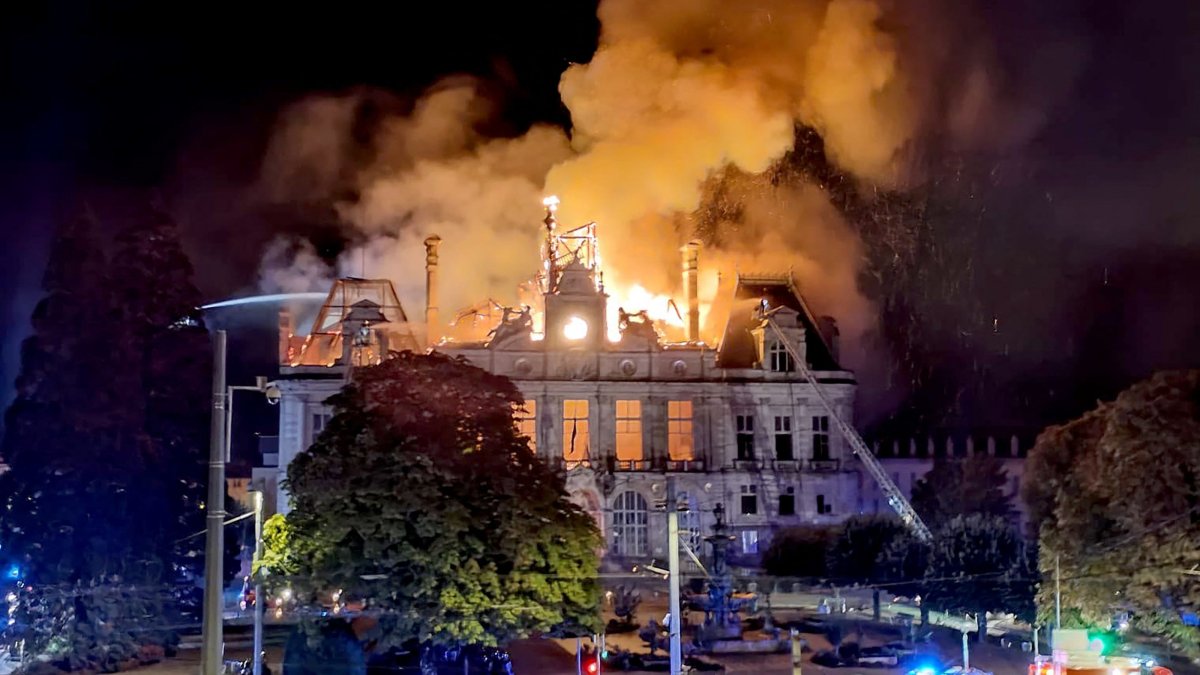
The most ambitious of these initiatives is Readiness 2023—formerly known as the ReArm Europe Plan—a strategic defense framework originally proposed by the European Commission. Designed to enhance the European Union’s collective military capabilities, the initiative aims to mobilize approximately $800 billion to overhaul Europe’s defense infrastructure and harden the continent against geopolitical volatility. Yet, this massive redirection of capital carries severe domestic trade-offs. Funding these vast security measures requires European governments to divert vital resources away from economic development, public infrastructure, and social prosperity projects, exerting an ongoing, negative drag on the broader European economy.
Absence of Low-Cost Markets
Compounding its strategic vulnerabilities, Europe has simultaneously lost one of its most critical and advantageous commercial partners. For decades, deep trade ties with China served as a cornerstone for the development and expansion of the European economy and industrial base. China remains the EU’s second-largest trading partner, just behind the United States, while the EU holds an equivalent position as China’s second-largest trading partner following the Association of Southeast Asian Nations (ASEAN). However, mounting export deficits and a deteriorating foreign trade balance have severely damaged Europe’s industrial competitiveness.
Recent economic exchanges between Europe and China are increasingly defined by intense industrial competition and a massive, ballooning trade deficit heavily skewed against the EU. The trade deficit between the two entities, which stood at approximately $150 billion in 2015, has more than doubled over the span of a single decade. According to official data from the European Commission, the EU’s trade deficit with China climbed steeply from $304.5 billion in 2024 to $359.8 billion in 2025.
Data from 2025 reveals that manufactured goods account for an overwhelming 97.3% of the EU’s total imports from China, while European exports to the Asian giant continue on a persistent downward trajectory. Furthermore, the reality that the vast majority of these Chinese imports consist of low-cost manufactured goods poses an existential threat to Europe’s domestic industrial foundation.
Within the corridors of the European Union, anxieties are mounting that China’s persistent overproduction capacity and associated trade practices are actively driving the deindustrialization of Europe. In response, Brussels is attempting to recalibrate its economic relations, driven by fears of structural dependency, strategic vulnerability, and industrial decline. The EU is moving toward a defensive framework incorporating specialized trade instruments—a policy shift that places the bloc on the precipice of a full-scale trade war with Beijing.
End of Cheap Energy
Simultaneously, Europe has been hit by a crippling energy crisis, exacerbated by two major geopolitical conflicts: the war in Ukraine and military escalations involving Iran. As one of the regions with the highest energy import dependencies in the world, Europe has borne the brunt of volatile global energy markets.
Until recently, the Russian Federation served as Europe’s primary, most reliable supplier of traditional fossil fuels. However, following the outbreak of the war in Ukraine and the subsequent imposition of sweeping Western economic sanctions on Moscow, natural gas flows from Russia plummeted drastically. This sudden cutoff eliminated the supply of relatively cheap energy, imposing astronomical economic costs on European economies. Under previously signed long-term contracts, Russia was initially slated to supply gas valued at approximately 475 billion euros. Due to sanctions and supply disruptions, actual gas imports from Russia during this period totaled a mere 197 billion euros.
The second major shock to the continent’s energy stability stemmed from military escalations involving the United States, Israel, and Iran. In the wake of intense military confrontations, the conflict widened regionally as Iran targeted U.S. military installations and effectively closed the critical Strait of Hormuz to oil shipments. Following the breakdown of diplomatic peace efforts, European nations found themselves disproportionately impacted by the resulting disruptions in global oil and natural gas supply chains.
With traditional supply lines severed, the United States emerged as the primary alternative supplier to meet Europe’s desperate energy demands. Under a newly established energy pact between Washington and Brussels, the EU agreed to scale up its energy imports from the U.S. by a factor of 2.5. While the EU historically imported between $90 billion and $100 billion worth of American energy products annually, this volume is slated for steep, mandatory increases over a multi-year horizon, locking European consumers into paying significantly higher prices for American liquefied natural gas and oil.
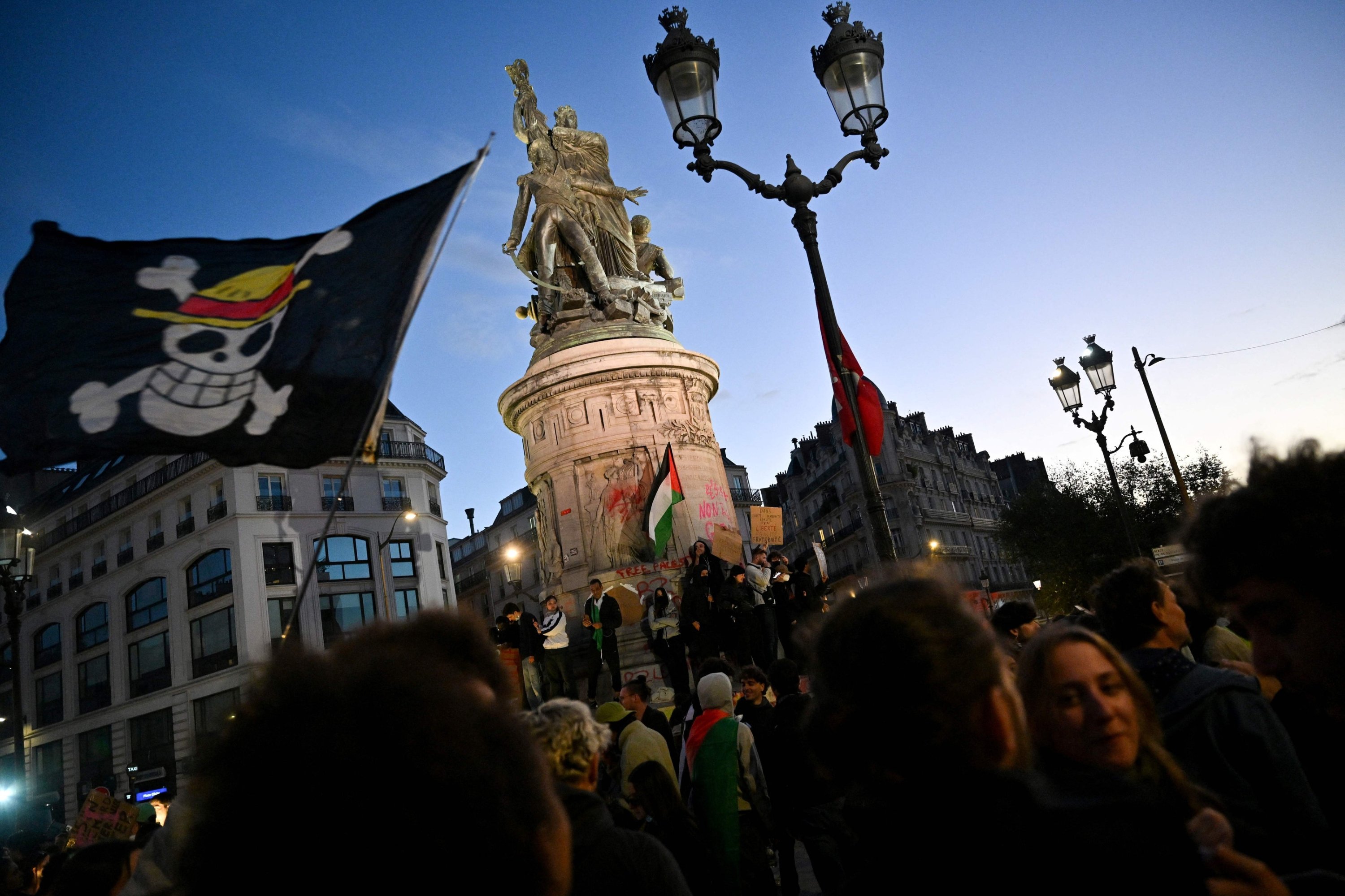
These unrelenting price surges across the energy sector have fueled persistent inflation and stoked severe economic hardship across the continent. The wave of widespread public protests that have swept across multiple European capitals in recent months represents a direct societal backlash against soaring fuel prices, an unsustainable cost of living, and deteriorating public services.
Lack of Leadership and Legitimacy
Beyond economic and security pressures, Europe’s traditional standing as a global champion of human rights and the rule of law has suffered profound domestic and international damage.
A central catalyst for this loss of moral authority is the steadfast diplomatic, political, and material support provided by major European governments and EU institutions for the military campaign conducted by Israel in Gaza. Over the past three years, millions of European citizens have taken to the streets to protest their governments’ complicity in the humanitarian catastrophe. Public outrage has been intensified by the glaring double standard applied by Western capitals: while European leaders mobilize swiftly to defend international law and human rights in Ukraine, they have routinely bypassed or dismissed similar obligations regarding populations in the Global South, particularly in Palestine.
Millions of Europeans view it as morally untenable that their governments—which routinely plead fiscal austerity and avoid their responsibilities to provide basic public services at home—continue to funnel billions of euros into supporting mass casualties abroad. Moreover, the domestic legitimacy of European administrations has eroded further as authorities deploy police powers to suppress and criminalize peaceful domestic protests against Israeli military actions.
As a result, Europe has largely squandered its core soft power asset. Once held up globally as the gold standard of liberal democracy and representative governance, many European governments now suffer from historic lows in public approval and net leadership ratings. In pivotal member states such as France and Germany, weak domestic public support severely constrains the ability of political leaders to enact bold economic reforms or decisive foreign policies.
Compounding this crisis of legitimacy is an acute absence of visionary political leadership capable of navigating the continent through its interconnected crises. Neither national capitals nor EU institutions boast figures of historic stature. Transformative leaders of past decades, such as Helmut Kohl, Margaret Thatcher, or Jacques Delors, have been replaced by technocratic managers or populist figures who prioritize short-term crisis management and inter-institutional consensus over long-term strategic vision.
Furthermore, the traditional Franco-German axis, which historically served as the vital engine of European integration, remains paralyzed and unable to articulate a shared, forward-looking agenda. This vacuum of political leadership directly impairs Europe’s capacity to formulate a unified, coherent strategic posture toward external threats like Russia or manage the unpredictable shifts in American foreign policy.
Lack of Internal Unity
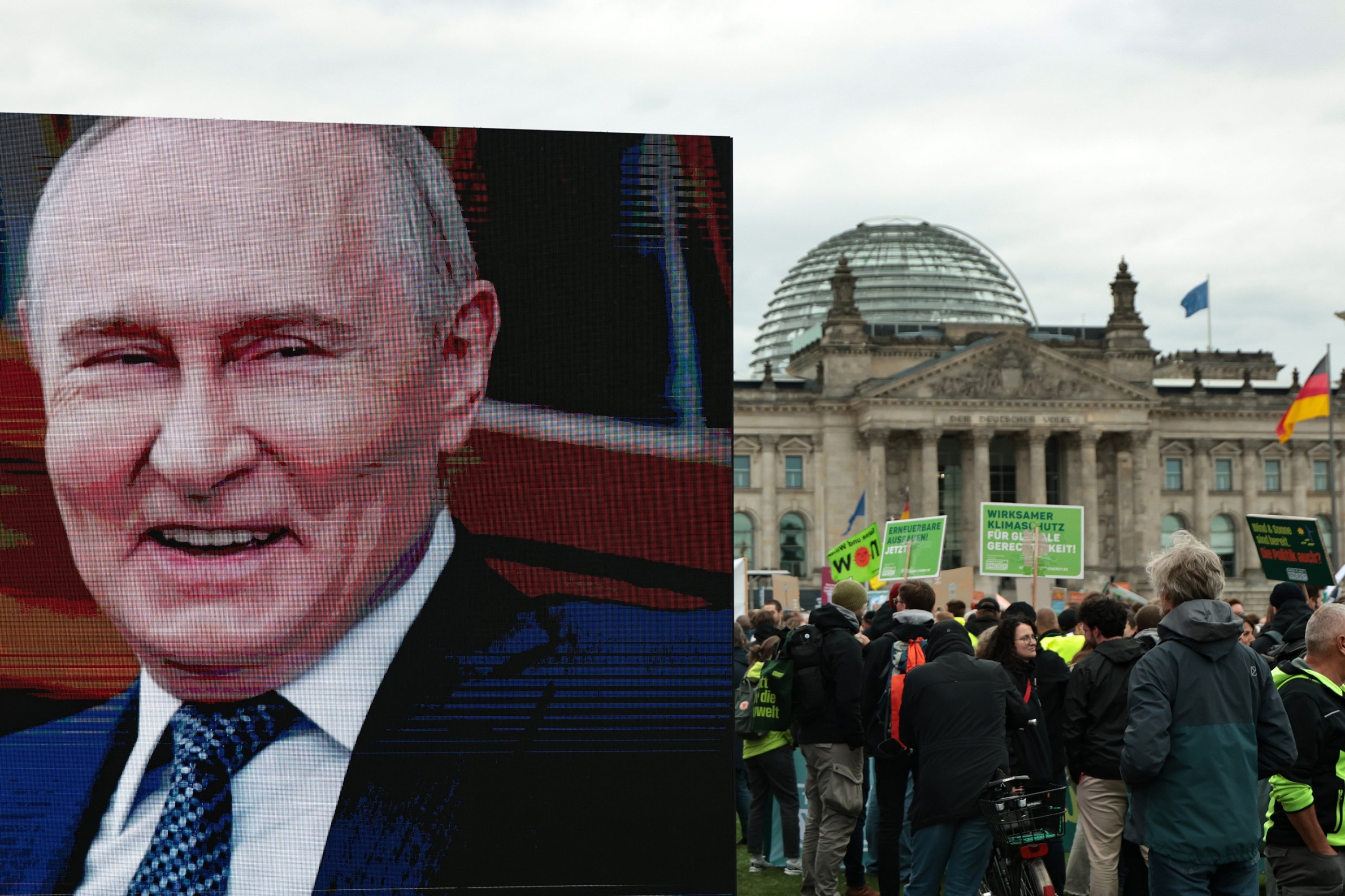
Finally, internal divisions and political fractures within the European continent are widening steadily, undermining any illusion of continental cohesion.
The EU remains sharply divided along multiple geopolitical and socioeconomic fault lines: a less-developed East versus a wealthy West, a relatively stable North versus a crisis-prone South, mainstream political parties versus a surging radical right, and an increasingly affluent minority versus a rapidly expanding, impoverished working majority.
These internal fissures are mirrored in foreign policy, where European states exhibit fundamentally divergent approaches to major international actors. On the question of Russia, Eastern European front-line states—such as Poland and the Baltic republics—regard Moscow as a direct and existential threat, whereas Western European nations, including France and Italy, favor a more cautious and calibrated diplomatic posture. Simultaneously, various far-right political factions across Europe view Moscow with sympathy, while centrist establishments categorize it as a hostile power. Consequently, European governments remain entirely incapable of mounting a unified, effective response to recurring acts of infrastructure sabotage, cyberattacks, and airspace violations.
Deep divisions persist regarding the transatlantic alliance as well. While some European states remain staunchly pro-American and prioritize maintaining traditional security ties, others advocate for a more independent path centered on strategic autonomy. Disagreements are similarly stark regarding the Middle East. Nations such as Ireland, Spain, Belgium, and Sweden have positioned themselves at the forefront of advocating for Palestinian statehood, pushing for the suspension of the EU-Israel Association Agreement, and demanding sanctions against far-right Israeli officials. Conversely, countries like Germany, Austria, Hungary, the Czech Republic, and Slovakia maintain unwavering diplomatic and military support for Israel, with Berlin and Rome actively blocking proposals to penalize Israeli trade frameworks.
Despite mounting internal pressures and the intensification of external shocks, European officialdom continues to display a marked reluctance to confront these foundational systemic challenges. Governments frequently default to maintaining a low public profile, deflecting blame, and avoiding the hard choices required to address critical regional and global realities. Unless European leadership sheds its persistent double standards toward international crises and recognizes that the current trajectory is fundamentally unsustainable, the window for effective recovery may soon close permanently.