By Midhat Samra
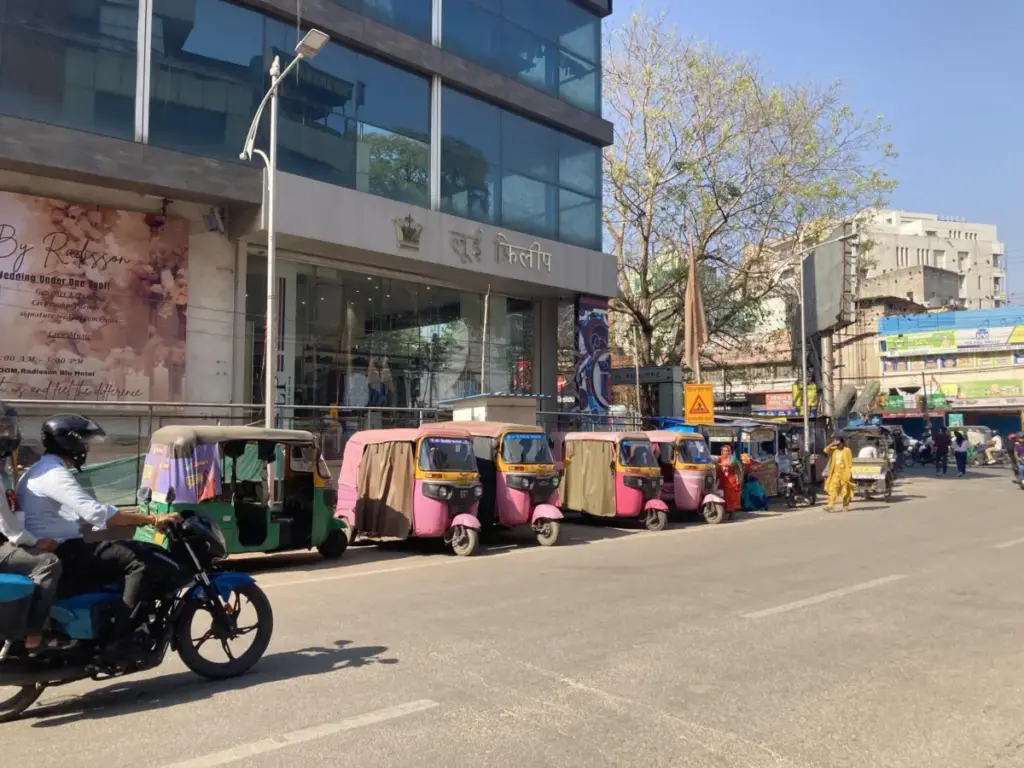
Ranchi: Suman Devi watched intently as I lifted my camera to photograph the distinct pink auto-rickshaw parked along the roadside. Before I could lower the lens, she offered a sharp, grounded observation that cut straight to the heart of the daily reality for Ranchi’s female transit workforce. People come here all the time to click pictures, she remarked, because the bright colour fascinates them and makes for striking visuals. Yet, she added, very few ever bother to understand the grueling struggles, the systemic neglect, and the daily resilience of the women who sit behind the steering wheels.

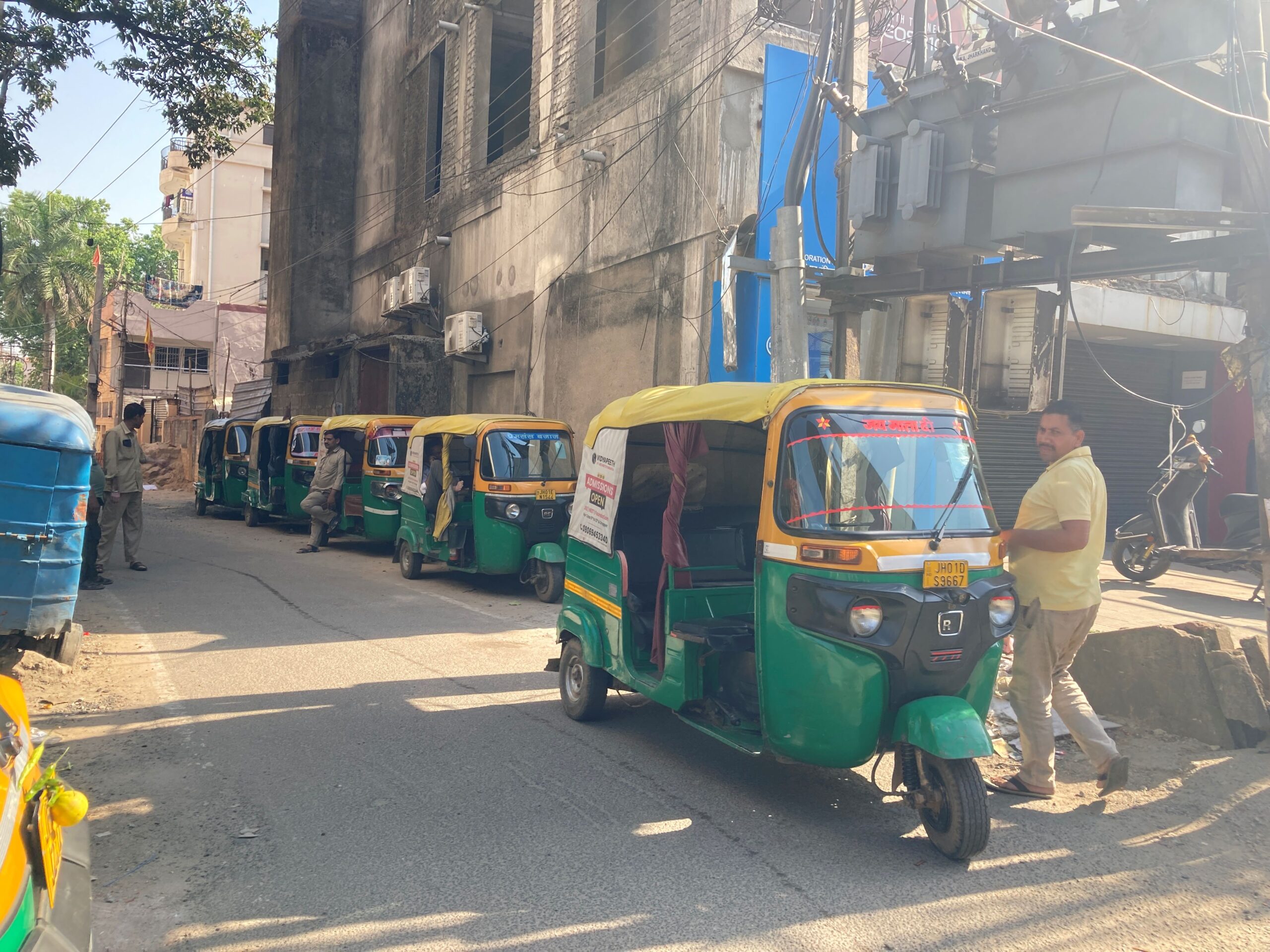
The pink auto scheme was originally launched across Jharkhand back in 2013, emerging in the immediate aftermath of the tragic Nirbhaya case that sparked a nationwide reckoning over women’s safety in public spaces. The policy framework was designed with a dual objective: to address mounting concerns regarding women’s safety in transit while simultaneously empowering marginalized women by integrating them into the formal workforce as vehicle owners and drivers. To ensure safety and accountability, the vehicles were equipped with modern technological features, including panic buttons and a global positioning system (GPS).
Initially, the state government rolled out two hundred specialized autos. However, due to a combination of social stigma, complex administrative hurdles, and a lack of institutional support, only a fraction of women signed up for the initiative. Rather than doubling down on outreach, training, and financial inclusion for female applicants, authorities pivoted by appointing men to drive the remaining vehicles. Today, the capital city of Ranchi counts around forty pink autos navigating its congested thoroughfares. Twelve years after the grand launch, the structural reality for the women who operate them has barely changed, leaving the progressive promise of the scheme largely unfulfilled.
Conversations with the drivers reveal an acute absence of basic workplace infrastructure. Their designated auto stand is nothing more than an open, unpaved patch of land hugging the main road, littered with debris and entirely devoid of shade. There is no protective shelter from the elements, no street lighting for the early morning or evening shifts, and not even a simple bench to sit on during long waiting hours between fares. The disparity in municipal treatment is glaring. While male auto drivers enjoy a proper, well-defined lane and established infrastructure, the women are left entirely exposed. Whenever a VIP motorcade passes through the area, the female drivers are routinely pushed out, harassed by security personnel, and summarily told to relocate their vehicles. Sitting for hours in the scorching sun or enduring heavy downpours without shelter has become an agonizing routine. We sit here in the sun and rain, said Reena, capturing the bleakness of their daily working conditions.
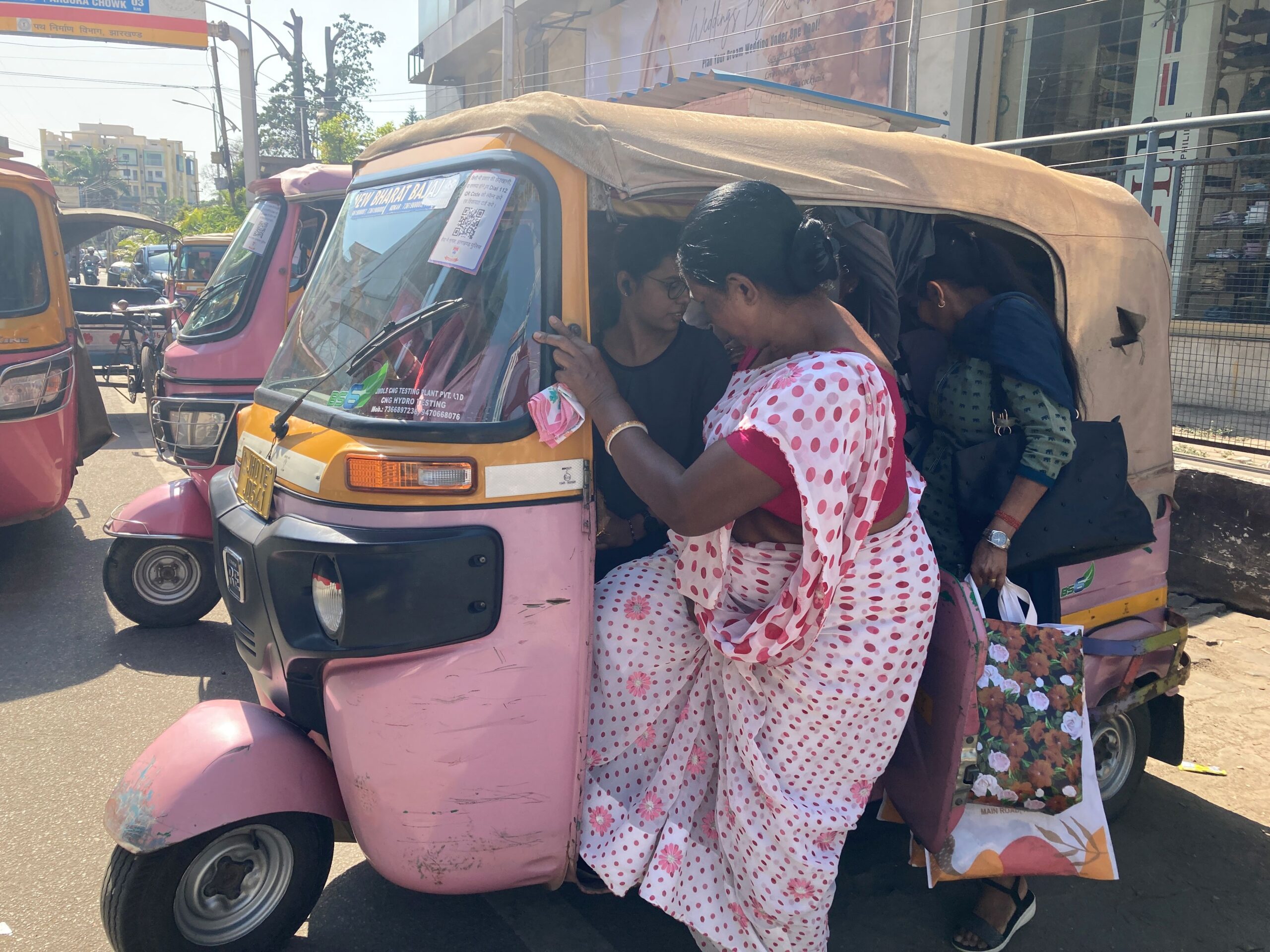
While the institutional support structure has floundered, women commuters in Ranchi express an overwhelming sense of relief and security when traveling in these vehicles. Kiran Tirkey, a college student navigating the city daily, noted that she deliberately prefers traveling with women drivers, particularly after dark. She explained that she feels instantly at ease when surrounded exclusively by female passengers and a woman at the wheel, admitting a deep-seated aversion to being trapped in a closed space with unknown men. The lingering fear of being touched inappropriately, or of an auto taking an unverified, dangerous route, is an everyday reality for women in the city. According to recent police data, twenty-two rape cases were reported in March 2025 alone, underscoring the grim reality of how unsafe the urban environment has become for women. Another frequent commuter, Shabana Perveen, echoed these sentiments, emphasizing that sharing an auto with women drivers provides a level of psychological comfort and security that she cannot find elsewhere.
Yet, while commuters find a sanctuary of safety inside the pink autos, the women behind the handlebars face an escalating barrage of harassment from male counterparts on the road. Shobha Kindo, a thirty-five-year-old driver, detailed the hostile economic and social landscape they navigate. Our income has gone down, and it has become increasingly difficult to run a household, she explained. Men often cut us off and actively take away our customers. At work, we have to deal with them, and when we return home, we deal with unemployed, drunk husbands. Furthermore, Shobha pointed out an insidious layer of social friction: some women commuters still choose male-driven autos out of a misplaced sense of jealousy or bias simply because the female drivers are working and earning an independent livelihood.
Intimidation from male transport operators is a persistent occupational hazard, but veteran drivers have developed a thick skin. Suman Devi recounted that such intimidation is an everyday occurrence, but she refuses to be cowed. I am not afraid of the men, she asserted. I have been dealing with them for ten years. They try to make us feel small, but the truth is they are really afraid that we are going to take their jobs. Having lost her husband, Suman raised her children alone as a widow, an experience that forged an unyielding resilience. I know how to face bullies, she added.
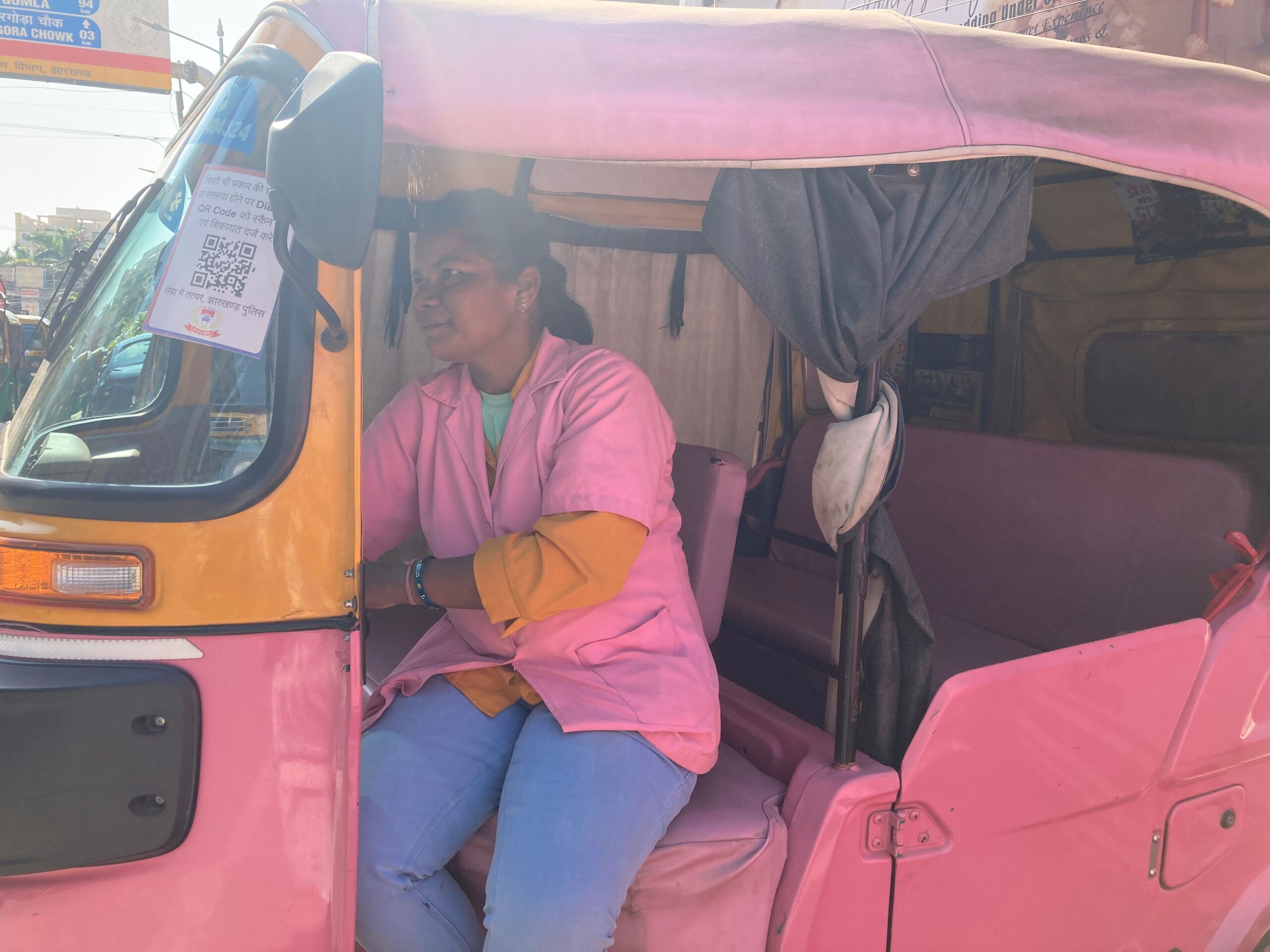
Perhaps the most glaring manifestation of administrative apathy is the complete absence of restroom facilities. For these women, the lack of a washroom is not merely an inconvenience; it is a daily indignity that compromises their health and professional endurance. It has been twelve years, and the government has not built a single toilet for us, Reena pointed out. Left with no viable alternatives, the drivers are frequently forced to seek out nearby bushes or secluded patches of land. A public washroom does exist near their makeshift stand, but it remains permanently locked. According to the drivers, the facility was unlocked only once—on the exact day of its official inauguration—and has stayed shuttered ever since.
Dinesh Soni, president of the Jharkhand Pradesh CNG Auto Chalak Association, confirmed that the union has repeatedly written to municipal and transport authorities demanding basic civic amenities. We have raised the demand for a clean toilet multiple times, but we have never received any response, Soni said. The government simply does not listen. We are paying our toll taxes regularly, but for what in return? He noted that the union has even escalated appeals directly to the Chief Minister’s office, yet these communications have been met with a wall of silence.
Unlike in states like Tamil Nadu, where women auto-rickshaw drivers are organized under strong cooperative unions that collectively bargain for their rights and welfare, the women of Ranchi operate in isolation. We do not work under any union, explained Gudia, a veteran driver with over a decade of experience on the road. We bought our own autos and drive independently. Had we been part of an organized union, we would have been in a position to put forward our collective demands. Instead, she noted, they are left to fend for themselves, having lodged complaints with local reporters, police officers, and government officials to no avail. No non-governmental organization has stepped forward to champion their cause, and most of the women remain unaware of their legal rights or formal grievance redressal mechanisms.
Gudia reflected on the immense personal hurdles she overcame to claim her independence. Initially, her husband strongly resisted the idea of her working as an auto driver, but she stood her ground, insisting on financial self-sufficiency. Today, she takes immense pride in paying for her daughter’s education at an English-medium boarding school. I miss her every minute of the day, Gudia said, her voice filled with a mixture of longing and fierce maternal pride. But I want a better life for her. I walked so that my daughter could run.
Not all the women at the stand have shared the same trajectory. Several drivers entered the profession out of sheer desperation, seeking a way out of abusive domestic relationships, exploitative low-paying jobs, or the acute economic precarity of survival in a major urban center.
Despite the staggering array of systemic hurdles, daily harassment, and municipal neglect, the drivers refuse to surrender their hope. When asked what they would ask for if given a direct platform to voice their demands, their list is remarkably modest and practical. They ask for permanent, designated auto stands, clean and accessible public washrooms, legal protection from harassment by male transport operators, and formal recognition coupled with financial support from the state government. We do not want handouts or favors, Reena emphasized on behalf of her peers. We just want basic facilities, a proper and safe space to park our vehicles, and an open public washroom that actually works.