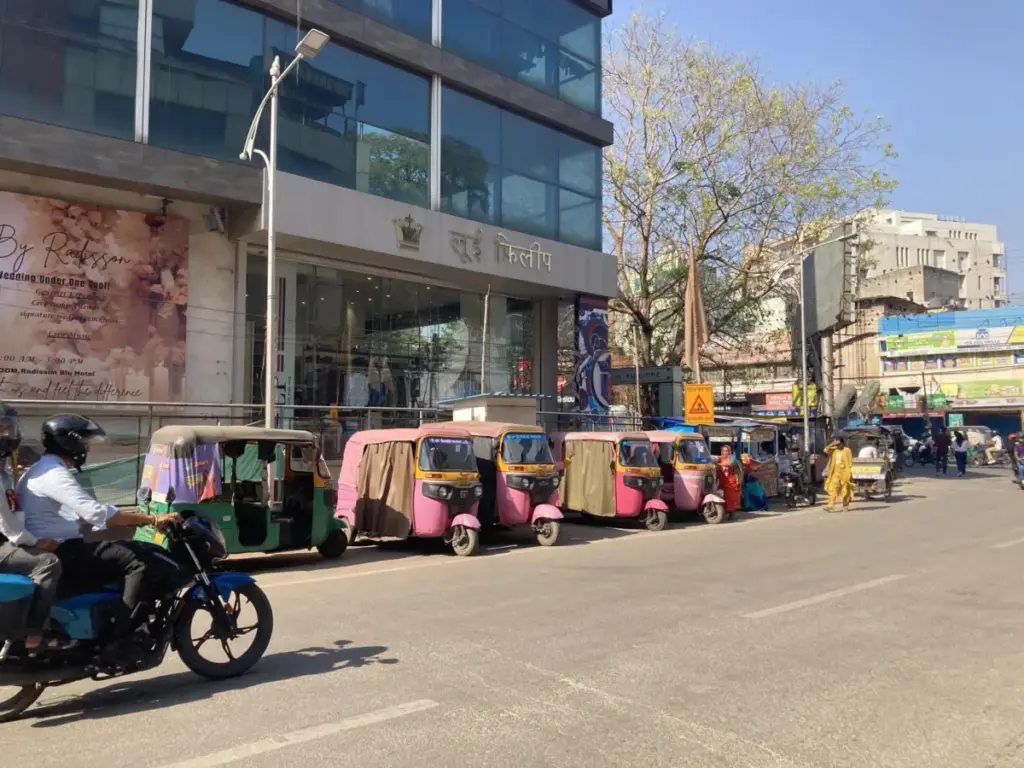
Ranchi: Suman Devi watched as a visitor stopped to photograph the bright pink auto-rickshaw parked along the dusty roadside. People often come here to capture pictures because the vivid color fascinates them, she noted, but very few ever bother to understand the grueling daily struggles of the women behind the steering wheel.
Twelve years after the government rolled out the pink auto initiative in Jharkhand following the tragic Nirbhaya case in Delhi, the promise of women’s empowerment and urban safety remains mired in systemic neglect. Launched in 2013 to address rampant safety concerns for female commuters, the scheme was envisioned as a two-fold solution: providing gainful employment to women while offering a secure mode of public transit equipped with modern safety features like panic buttons and GPS systems.
The initial rollout promised two hundred specialized vehicles. However, when only a small fraction of women signed up during the initial phases, authorities altered course and appointed men as drivers to fill the quotas. Today, the capital city of Ranchi counts roughly forty pink autos operating across its bustling streets. While the visual presence of women navigating the city’s traffic has become a familiar sight, the lived reality for these drivers has barely evolved over more than a decade of operation.
Stripped of Basic Facilities and Dignity
Ask any of the women who pilot these vehicles about their working conditions, and a stark picture of marginalization emerges. Their designated "auto stand" is nothing more than an open patch of land hugging the main road, littered with debris and completely devoid of shade. There is no structural shelter to protect them from the elements, no lighting for evening hours, and not even a simple bench to rest on during long shifts between fares.
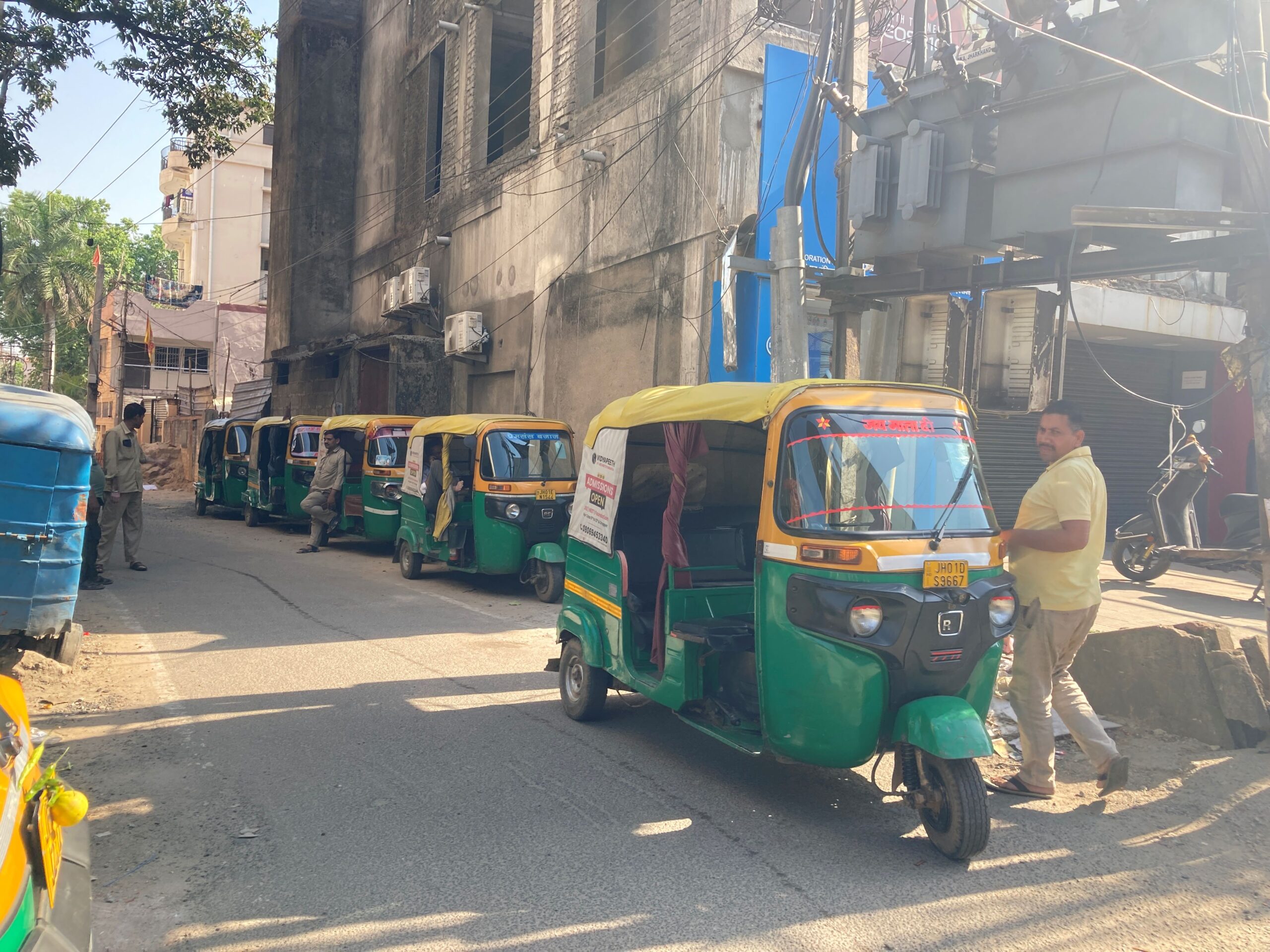
Worse still is the casual displacement they face on a regular basis. When a VIP motorcade or political procession passes through the area, the women are routinely pushed out and ordered to relocate their vehicles immediately. Meanwhile, male auto drivers enjoy properly designated lanes, established infrastructure, and a degree of permanence that the women are consistently denied.

"We sit here in the sun and rain," said Reena, a pink auto driver whose daily routine involves enduring punishing weather conditions with nowhere to seek refuge.
For these women, the most pressing indignity is the complete lack of sanitation facilities. Despite operating in the public eye for twelve years, the local administration has failed to construct a single dedicated toilet for the women drivers. With no other options, they are forced to seek privacy in nearby bushes. A public washroom exists near their makeshift stand, but it remains permanently locked, having reportedly been opened only on the single day it was inaugurated.
Dinesh Soni, president of the Jharkhand Pradesh CNG Auto Chalak Association, highlighted the union’s repeated attempts to secure basic amenities from the municipal and state authorities. "We have raised the demand for a clean toilet, but have never received any response. The government does not listen," Soni said. According to the union leader, drivers continue to pay mandatory toll taxes without receiving even the most rudimentary civic infrastructure in return. Despite formal appeals addressed directly to the Chief Minister’s office, the grievances of the pink auto operators have met with administrative silence.
A Lifeline for Commuters Amid Rising City Crime
While the infrastructure supporting the drivers is virtually nonexistent, the service they provide has become an invaluable lifeline for female commuters navigating an increasingly hostile urban environment. According to recent police data, twenty-two rape cases were reported in Ranchi in March 2025 alone, underscoring the severe and persistent safety crisis confronting women in the city.
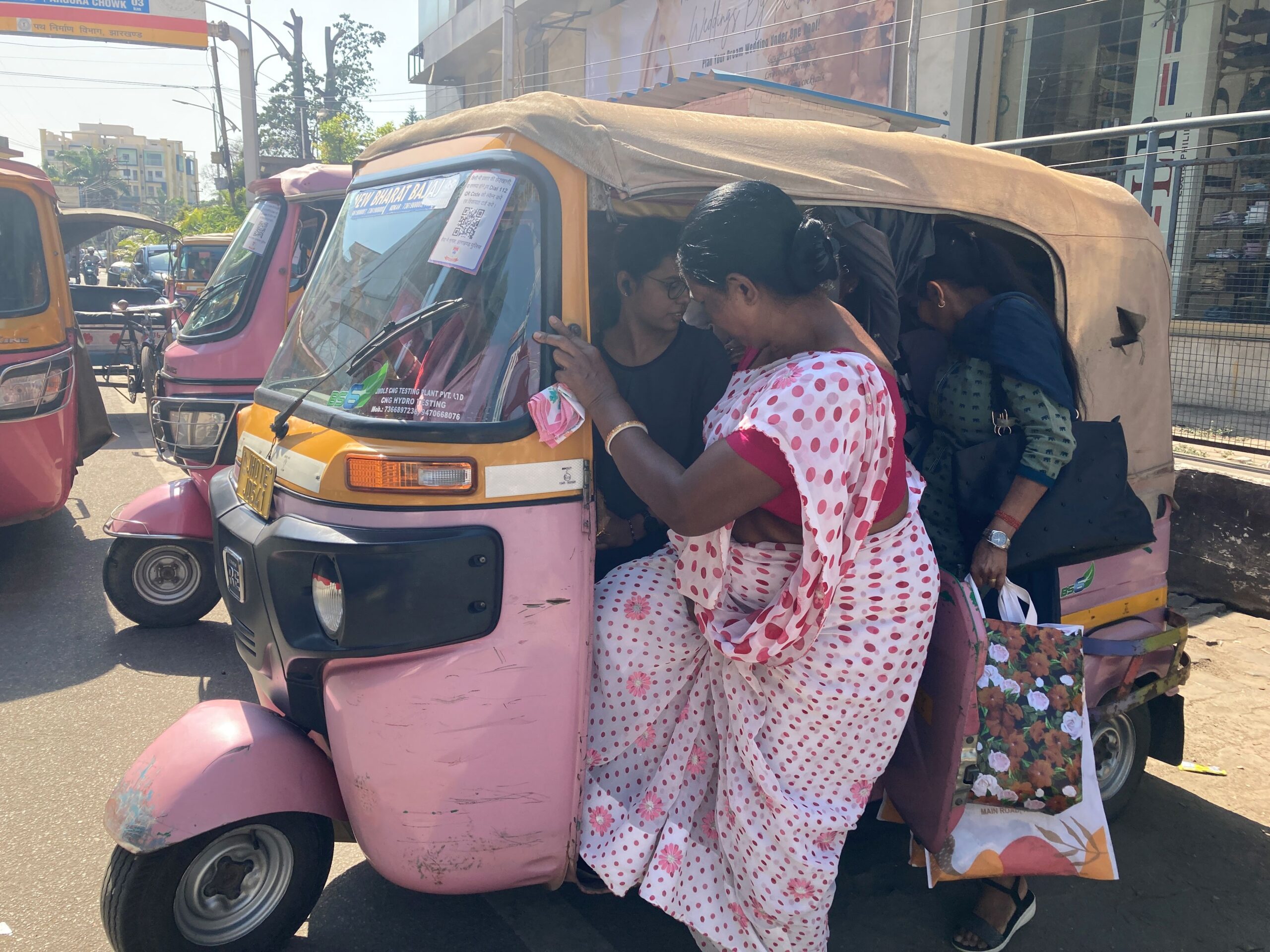
In this climate of apprehension, female passengers view the pink autos not merely as a mode of transport, but as a sanctuary. Kiran Tirkey, a college student who relies on public transit daily, explained that she makes a deliberate choice to travel exclusively with women drivers, particularly after dark.
"I feel at ease when there are only women around me. I do not like being in a closed space with unknown men," Tirkey said. "The fear of being touched inappropriately or the auto taking a wrong route is real. My parents feel relieved when I travel with a woman driver."
Echoing these sentiments, frequent commuter Shabana Perveen noted that sharing an auto with another woman provides a profound sense of comfort that standard public transport simply cannot match. Yet, this high demand from safety-conscious passengers has not translated into financial security or professional respect for the drivers themselves.
Harassment, Competition, and Domestic Hardships
Behind the wheel, the women face a daily gauntlet of intimidation, professional sabotage, and domestic strain. Shobha Kindo, a thirty-five-year-old driver, described how her income has steadily dwindled, making it increasingly difficult to sustain her household. Male drivers frequently muscle in to intercept potential customers, undercutting their business.
"At work, we deal with them, and at home, we deal with unemployed, drunk husbands," Kindo said, shedding light on the dual burdens carried by many of the workers. She added that animosity sometimes comes from unexpected quarters, noting that some women commuters still prefer male-driven autos out of a lingering resentment or jealousy toward women who manage to earn an independent livelihood.
Intimidation from male transport operators is an occupational hazard that has tested the resolve of veterans on the road. Suman Devi, who has spent a decade navigating the city’s patriarchal transport ecosystem, refuses to be cowed by the hostility.
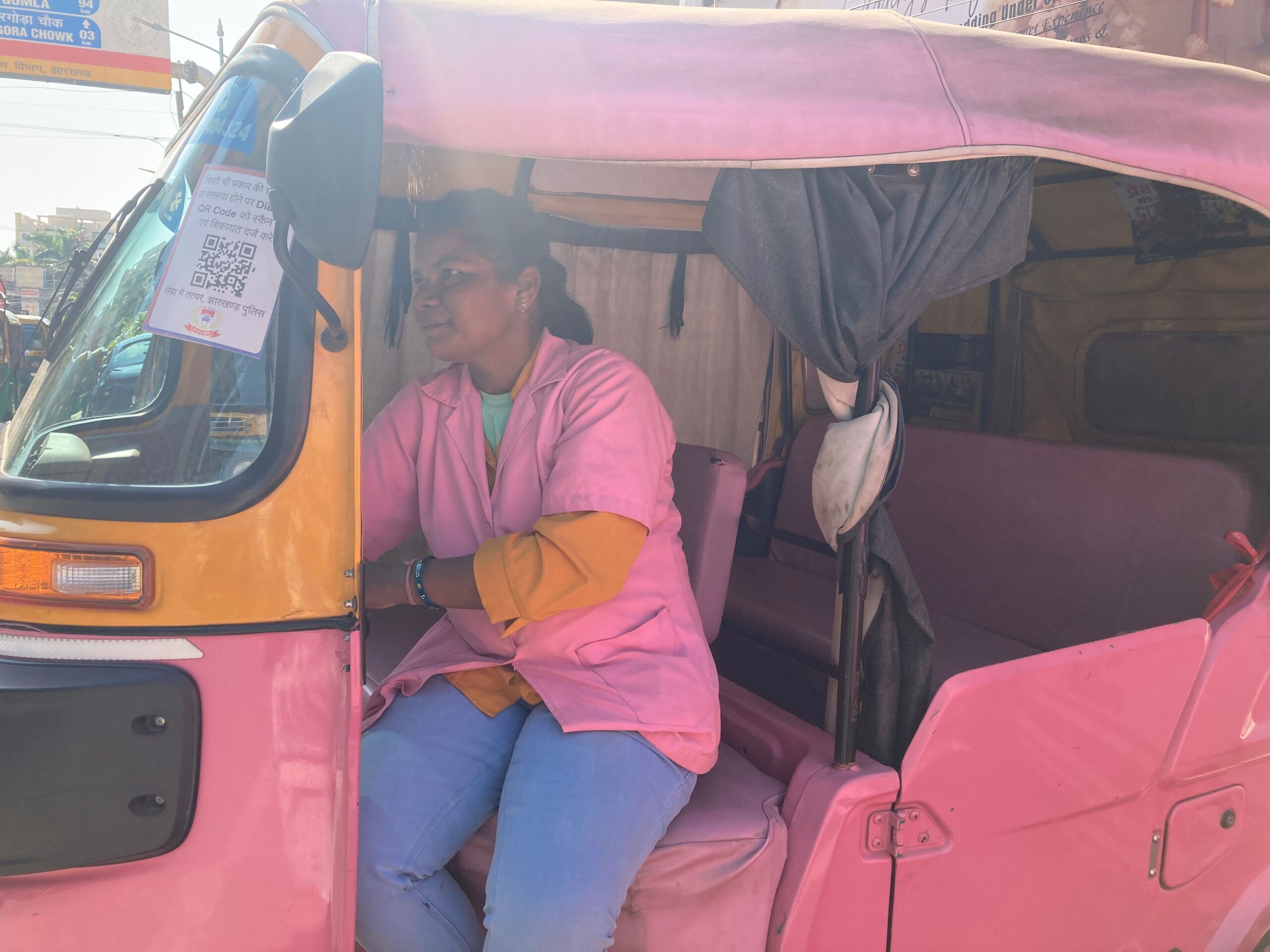
"I am not afraid of the men. I have been dealing with them for ten years," Devi said. "They try to make us feel small, but they are really afraid that we will take their jobs. As a widow, I raised my children alone. I know how to face bullies."
Unlike in states like Tamil Nadu, where women auto drivers are organized under structured cooperative unions that can collectively bargain for their rights, the women of Ranchi operate entirely in isolation. Gudia, a driver with over a decade of experience, pointed out the structural vulnerability of their situation.
"We do not work under any union. We bought our own autos and drive independently. Had we been in a union, we would have put up our demands," Gudia said. Despite having lodged complaints with reporters, police personnel, and civic officials over the years, she noted that nothing ever changes. According to Gudia, no non-governmental organizations have stepped forward to champion their cause, and most of the drivers remain unaware of formal legal rights or institutional grievance redressal platforms.
The Drive for Self-Reliance and a Better Future
For many of these women, stepping into the male-dominated transport sector was a leap born out of sheer necessity, following abusive domestic relationships, dead-end low-paying jobs, or the sudden loss of a primary breadwinner.
Gudia recalled how her husband initially resisted the idea of her working as an auto driver, relenting only after her unyielding insistence on achieving financial self-sufficiency. Today, the fruits of her grueling labor are visible in her daughter’s life. Gudia proudly funds her child’s education at an English-medium boarding school, miles away from the struggles of the auto stand.
"I miss her every minute, but I want a better life for her," Gudia said, her voice steady. "I walked so that my daughter could run."
Despite the systemic indifference, the daily harassment, and the total absence of basic amenities, the women of Ranchi’s pink auto scheme refuse to surrender their livelihoods. When asked what they would ask for if given a direct platform to voice their needs, their demands are remarkably modest. They do not ask for handouts or special privileges, but simply for the foundational tools to do their jobs safely and with dignity.
"We do not want favours," Reena said. "We just want basic facilities, a proper space to park, and an open public washroom."