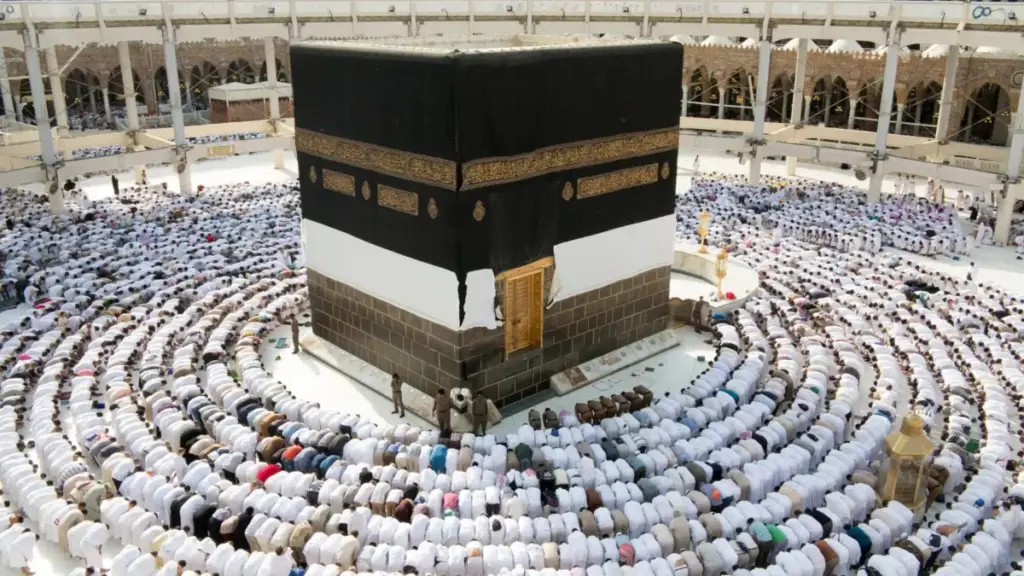
As the sacred season of Hajj draws near, Muslims around the world find themselves consumed by preparations for one of the most profound spiritual journeys of a lifetime. Pilgrims are currently making their final arrangements or have already begun setting out toward the holy city of Makkah, answering a divine call that echoes through history. This monumental pilgrimage is an eternal response to the invitation first announced by the Prophet Ibrahim and later renewed by the Prophet Muhammad, peace and blessings be upon both of them.
Every year, millions converge upon the sacred sites in Saudi Arabia, shedding worldly distinctions of race, nationality, and social status to stand together in unified devotion. Yet, beyond the logistical preparations and the physical rigor of the journey lies a deeper question that consistently occupies the minds of believers and observers alike: Why is Hajj held in such remarkably high esteem within the Islamic faith?
To understand the core theological and spiritual weight of the pilgrimage, scholars and believers frequently turn to the recorded traditions, or Hadiths, of the Prophet Muhammad. These narrations offer profound insight into how the early generations of Muslims perceived Hajj and why it remains an indispensable pillar of personal faith and communal identity.
A Pillar of Islam
Within the diverse tapestry of Islamic jurisprudence and ritual worship, Hajj occupies a central and irreplaceable position. It is not merely a cultural tradition or an optional retreat, but rather one of the foundational columns upon which the entire structure of the religion rests.
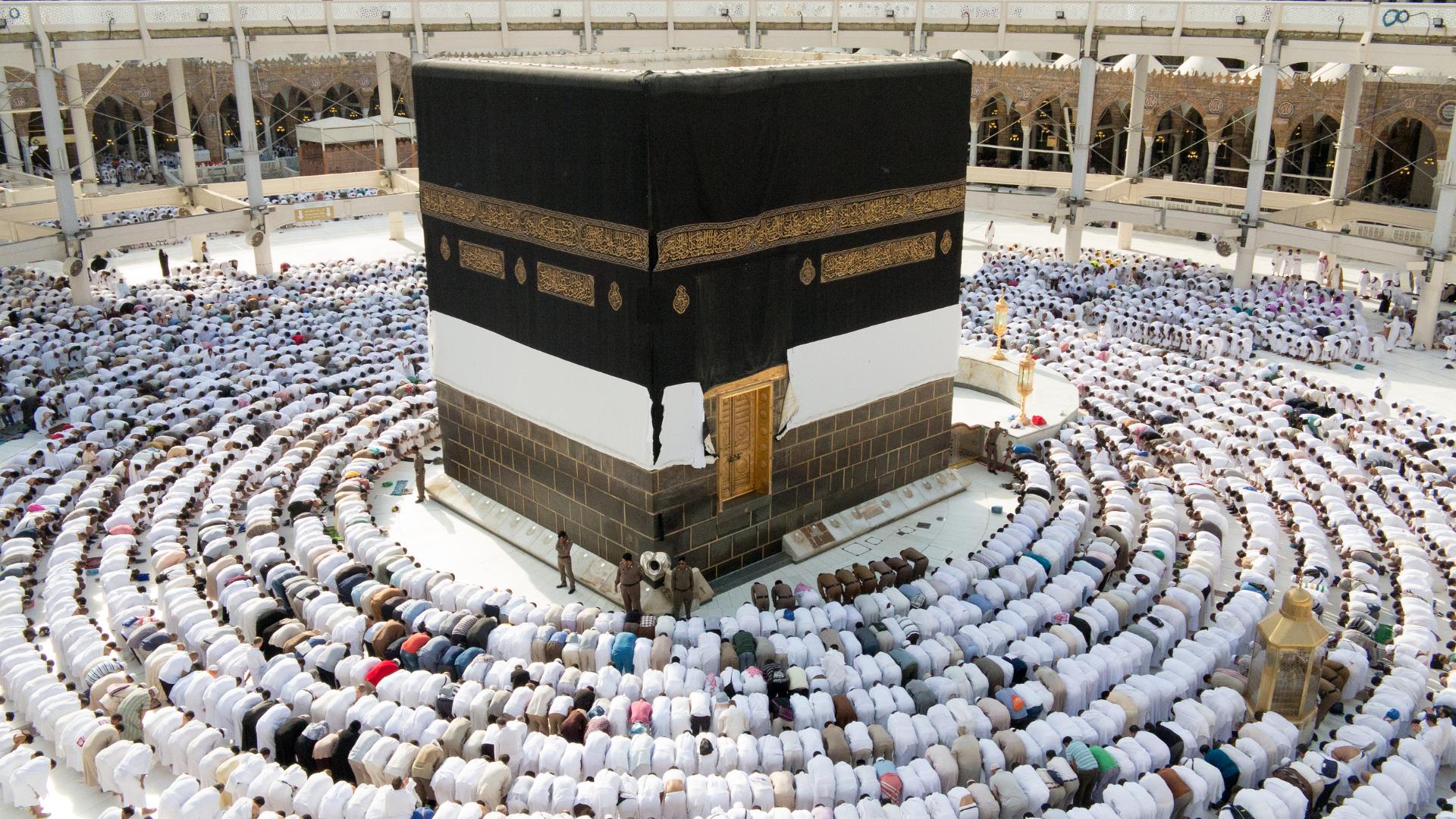
This status is explicitly detailed in a well-documented narration from Abdullah ibnUmar, who reported that the Prophet Muhammad outlined the framework of the faith by stating that Islam has been built upon five fundamental pillars. These include testifying that there is no god but Allah and that Muhammad is His Messenger, establishing the daily prayers, paying the mandatory charity known as zakah, fasting during the holy month of Ramadan, and making the pilgrimage to the House of Allah.
By grouping Hajj alongside daily prayers and fasting, Islamic tradition highlights its vital role in defining a practicing Muslim. It serves as a physical and financial manifestation of submission to the Divine, requiring believers to invest their time, wealth, and physical energy into fulfilling a divine mandate.
Once in a Lifetime
Despite the immense theological and spiritual significance attached to Hajj, Islamic law reflects a deep mercy and consideration for the human condition. Unlike daily prayers or annual fasting, which recur regularly, the major pilgrimage is prescribed only once in a lifetime for those who are physically and financially able to undertake it.
The rationale behind this limitation is preserved in a significant narration recorded by Abu Hurairah. He recounted that the Prophet Muhammad once addressed the gathered community, urging them to fulfill the obligation of Hajj now that it had been prescribed for them.

Upon hearing this general command, a man stepped forward and asked whether this obligation applied every single year. The Prophet Muhammad remained silent. When the man repeated his question a total of three times, the Prophet responded by explaining the wisdom behind his initial silence. He noted that had he answered in the affirmative, the pilgrimage would have become an annual requirement, a burden that would ultimately exceed the capacity of the community.
The Prophet then used the moment to offer broader guidance to his followers, advising them not to press for excessive details regarding matters he had left unmentioned. He pointed out that previous nations had met their downfall due to their excessive questioning and their tendency to dispute with their prophets. Consequently, he instructed the believers that when they are given a command, they should carry it out to the best of their ability, and when they are forbidden from something, they should avoid it entirely. This approach underscores the ease and practicality inherent in the legislation of Hajj, ensuring that it remains an accessible spiritual milestone rather than an overwhelming hardship.
A Special Rank and Value
The Companions of the Prophet Muhammad were famously eager to understand how different acts of worship were valued in the sight of God, allowing them to prioritize their good deeds effectively. Their inquiries frequently led to clarifications that illuminated the relative spiritual weight of various religious duties.
In another narration transmitted by Abu Hurairah, a companion asked the Prophet to identify the single best deed a believer could perform. The Prophet replied that the foremost deed is genuine belief in Allah and His Messenger. When the companion inquired what came next in order of virtue, the Prophet answered that striving, or jihad, in the cause of Allah holds the second position.
When pressed further to identify the subsequent virtue, the Prophet placed Hajj mabroor—defined as a pilgrimage that is sincerely performed and accepted by Almighty Allah—among the highest tier of virtuous actions. This prominent ranking illustrates that the pilgrimage is not just a physical journey across geography, but a supreme act of devotion that rivals many of the most demanding spiritual efforts in Islam.