
The question of who instructed Prophet Muhammad in the revelation of the Quran has remained a subject of theological discussion, historical analysis, and academic inquiry for centuries. In a recent episode of his ongoing educational video series, The Eternal Challenge, prominent scholar Sheikh Sohaib Saeed addresses this pivotal inquiry head-on. Through a detailed examination of historical claims, textual analysis, and theological principles, Saeed tackles and refutes longstanding allegations that the Prophet was tutored by human clergymen or that he merely compiled passages by quoting from previous religious scriptures.
The latest episode, published by the Shariah editorial desk, forms part of a broader multimedia exploration into the inimitable nature of the Quran and the foundational proofs of Islamic prophecy. By breaking down complex historical arguments into accessible explanations, the series aims to provide viewers with a deeper understanding of how the text was preserved, transmitted, and understood from its earliest days in 7th-century Arabia.

Addressing Allegations of Human Authorship and Tutorship
Central to Sheikh Sohaib Saeed’s discussion in this installment of The Eternal Challenge is the debunking of external influence theories. Throughout history, various critics have put forward the notion that Prophet Muhammad—who was known in his community as unlettered—must have received clandestine instruction from Jewish or Christian scholars, or perhaps foreign travelers passing through Mecca and Medina.
Saeed carefully deconstructs these claims, pointing out the chronological, linguistic, and contextual inconsistencies inherent in such theories. He explains that the literary style, theological depth, and ethical framework of the Quran stand entirely apart from any contemporary religious literature available in the Arabian Peninsula at the time. Furthermore, the Quran itself addresses these very accusations, challenging skeptics to produce a single chapter akin to it if they truly believed it was the product of human collaboration or instruction.
In addition to refuting the idea of human tutorship, the video addresses the related allegation that the Prophet simply paraphrased or copied stories and laws from previous scriptures, such as the Torah and the Gospel. Saeed highlights that while the Quran shares certain foundational narratives with earlier Abrahamic traditions—such as the accounts of Adam, Noah, Abraham, and Moses—it introduces unique moral perspectives, corrects historical alterations that had crept into earlier texts, and presents these narratives with a distinct theological focus that could not have been achieved through casual borrowing or second-hand narration.

The Significance of Prophecies in the Quran
Moving beyond the origins of the text, the episode shifts its focus to another cornerstone of Islamic apologetics and textual analysis: the role of prophecy within the Quran. Prophecy, defined in the theological context as foretold news concerning future events that are entirely beyond human calculation or foresight, serves as a vital proof of divine revelation.
Saeed draws a sharp distinction between a genuine scriptural prophecy and an educated, wise guess based on current political, social, or economic trends. While astute observers throughout history have occasionally anticipated the outcome of a war or the fall of an empire based on observable patterns, true scriptural prophecies often involve highly specific details, long time horizons, and improbable outcomes that defy standard statistical probability.
Within the framework of the series, these prophecies are presented not merely as historical curiosities, but as an empirical test of truthfulness. The fulfillment of various predictions mentioned in the Quran—ranging from geopolitical shifts involving neighboring empires to specific personal developments during the early Muslim community’s struggles—is analyzed as evidence supporting the divine origin of the text and the authenticity of the prophetic mission.

Continuing the Exploration in "The Eternal Challenge"
The latest installment builds upon a robust catalog of discussions previously released under the banner of The Eternal Challenge. As part of the broader educational initiative, Sheikh Sohaib Saeed has dedicated multiple episodes to unpacking the various dimensions of Islamic scripture, ensuring that audiences have access to well-reasoned theological scholarship.
Earlier segments in the series have explored foundational questions about the nature of the scripture itself. For instance, the premiere episode, titled The Eternal Challenge: What is the Quran?, introduced viewers to the linguistic and structural uniqueness of the text, establishing why it has historically been regarded by its adherents as a literary miracle that transcends ordinary human capability.
Subsequent episodes, including Eternal Challenge: Prophet and Book of Allah and The Prophet Didn’t Make Quran—Rather, Quran Made Him, further examined the symbiotic relationship between the final messenger of Islam and the revelation he received. These discussions emphasize that the life, character, and spiritual development of Prophet Muhammad were profoundly shaped by the guidance contained within the verses, reinforcing the argument that the text originated from an external, divine source rather than the psychological or intellectual projection of the Prophet himself.
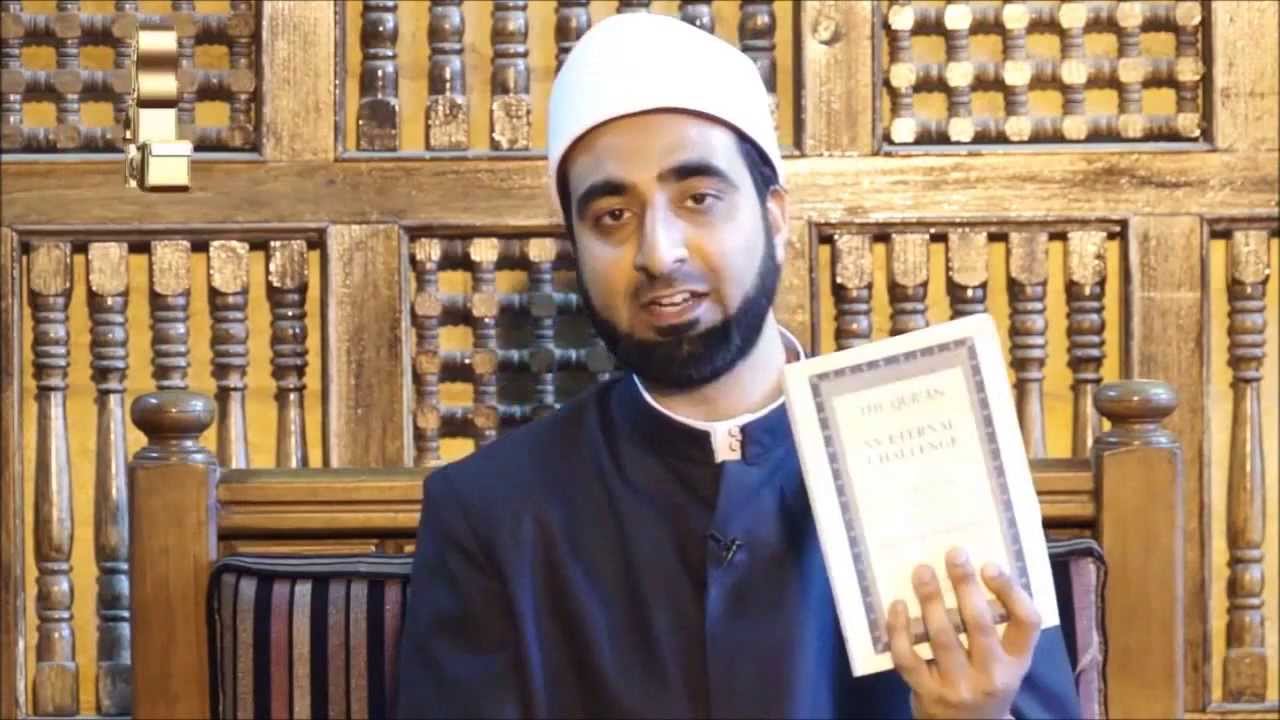
Through these detailed explorations, the series continues to serve as a resource for students of Islamic studies, researchers, and individuals seeking a comprehensive look at the arguments surrounding the historicity and authenticity of the Quran. By confronting difficult questions regarding authorship, external influences, and predictive elements, scholars like Sheikh Sohaib Saeed aim to ground contemporary discussions in rigorous textual and historical analysis.