The question of who instructed Prophet Muhammad and where the text of the Holy Quran originated has remained a central subject of theological discussion, academic inquiry, and interfaith dialogue for centuries. Addressing this profound query head-on, prominent Islamic scholar Sheikh Sohaib Saeed delves deeply into the historical and spiritual context of Islam’s holy scripture in a compelling episode of his ongoing educational series, The Eternal Challenge.
Released by About Islam, the latest episode features Sheikh Saeed offering a comprehensive analysis and scholarly refutation of long-standing historical allegations. Specifically, the scholar targets claims suggesting that Prophet Muhammad was privately instructed by external clergymen, or that he merely compiled, adapted, and quoted text from previous Abrahamic scriptures. Through careful examination and contextualization, the series aims to dismantle these claims by looking closely at the historical realities of seventh-century Arabia and the unique linguistic and structural nature of the Quran itself.

Examining Historical Allegations and the Source of Revelation
Throughout the episode, Sheikh Saeed systematically breaks down the various hypotheses put forward by critics over time regarding the authorship and external influences behind the Quran. Detailing the socio-cultural landscape of pre-Islamic Arabia, he explains the impossibility of the narrative that an unlettered prophet—an ummi—could have accessed, studied, and synthesized complex theological treatises, historical accounts, and legal frameworks from diverse, often inaccessible religious traditions of the time.
The discussion emphasizes that the Prophet’s contemporaries, despite their intense opposition to his message and their desperate search for ways to discredit him, never successfully proved that he had human teachers for the vast body of scripture recited over a span of twenty-three years. Instead, the Quran itself challenges humanity to produce a single chapter like it, framing its origin as entirely divine and beyond human imitation. By addressing these sensitive theological points with academic rigor, Sheikh Saeed provides viewers with the intellectual tools necessary to understand the traditional Islamic stance on revelation and Prophethood.

The Significance of Prophecies in the Quran
Beyond examining the human agency debate, the newly released video shifts its focus toward an equally vital aspect of scriptural authenticity: the presence of precise prophecies within the Quran. In theological and analytical terms, a genuine prophecy is defined as foretold news concerning future events that are entirely beyond the scope of human calculation, current trends, or historical forecasting.
Sheikh Saeed points out that true prophecy stands in stark contrast to an educated guess, a lucky prediction, or wise intuition. In the context of religious apologetics and scriptural studies, the fulfillment of accurate prophecies serves as one of the most critical and tangible proofs for evaluating the truthfulness of prophets. The episode highlights several instances where the Quran predicted future geopolitical outcomes and historical milestones long before they materialized, presenting these events as compelling internal evidence of a divine source that transcends time and human limitation.

Continuing the Intellectual Exploration of Faith
This latest installment builds upon a broader framework established by Sheikh Sohaib Saeed in The Eternal Challenge series, which has consistently sought to engage contemporary audiences with deep intellectual explorations of Islamic faith, scripture, and philosophy. The series is designed to tackle foundational questions regarding the preservation, nature, and miraculous aspects of the Quran, making complex theological concepts accessible to a global audience of seekers, students, and believers alike.
As viewers continue to explore these themes, the digital platform hosting the series offers a wide array of supplementary episodes and companion discussions. Among these related resources are earlier installments in the same collection, such as the foundational introductory episode titled The Eternal Challenge: What is the Quran?, which lays the groundwork for understanding the scripture’s unique literary and spiritual stature. Another key installment, Eternal Challenge: Prophet and Book of Allah, explores the profound symbiotic relationship between the final messenger and the revelation he was entrusted to deliver. Additionally, the episode The Prophet Didn’t Make Quran—Rather, Quran Made Him further expands on the transformative impact of the scripture on Prophet Muhammad’s life, character, and mission, reinforcing the central thesis that the text is an independent, transcendent reality rather than a product of human authorship or socio-political maneuvering.
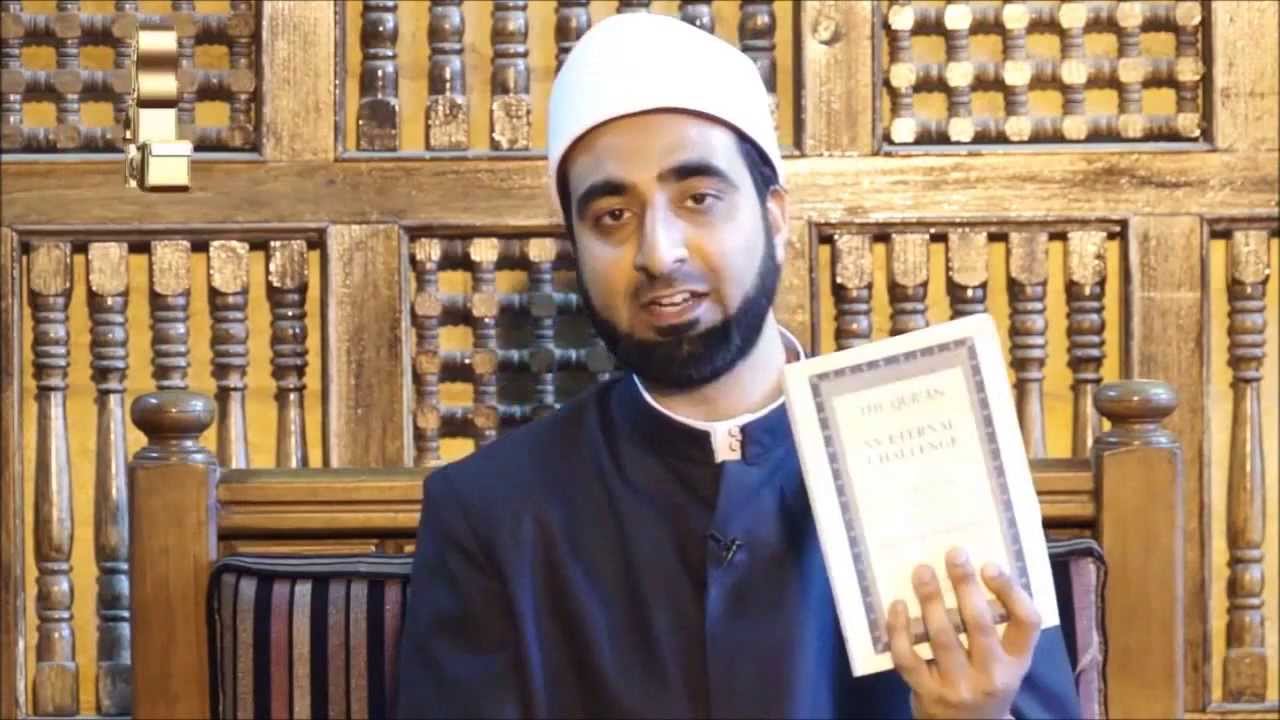
Through these detailed video discussions, scholars like Sheikh Sohaib Saeed continue to provide valuable insights into the heritage of Islamic scholarship, equipping audiences to engage thoughtfully with modern critiques and deepen their understanding of the Quran’s enduring legacy.