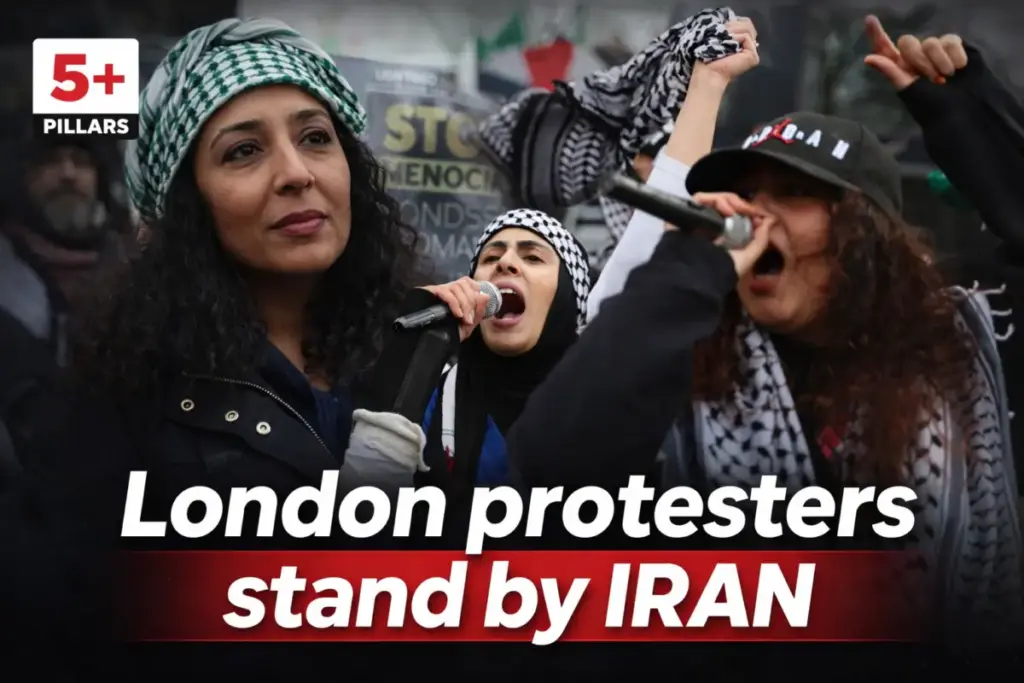
Carrying a sea of Iranian and Palestinian flags alongside a diverse array of banners and handcrafted placards, the crowds converged to deliver a clear message to Westminster. Protesters expressed deep alarm over the trajectory of Western foreign policy in the region, characterizing the escalating hostilities as a reckless and dangerous venture that threatens global stability and risks pulling international powers into a catastrophic wider war. The atmosphere throughout the demonstration was charged with urgency as speakers took to the podiums to address the gathered masses, calling for an immediate halt to military strikes and a return to diplomatic resolutions.

The placards displayed during the march highlighted a broad spectrum of geopolitical grievances held by the activist groups in attendance. Prominent messages woven through the procession included calls to "stop Trump’s wars," a direct appeal directed at Prime Minister Keir Starmer urging his administration to "stop arming Israel," demands to "end nuclear hypocrisy," and overarching appeals to "stop bombing Iran." The convergence of these various slogans underscored a unified front among the demonstrators, who linked the plight of the Iranian people to broader struggles against Western militarism, interventionism, and double standards in international diplomacy across the Middle East.
The protest reflects mounting domestic pressure within the United Kingdom regarding the government’s foreign policy stances and military alliances. Activists and civil rights organizations have grown increasingly vocal in their demands for accountability from British leaders, arguing that complicity in or material support for aggressive military campaigns in the Middle East makes the UK an active participant in regional instability. By organizing mass demonstrations such as the one witnessed in London, campaign groups aim to shift public discourse and compel policymakers to reconsider their alignment with foreign military strategies that protesters argue serve only to deepen human suffering and escalate tensions.

As the rally progressed, organizers emphasized the necessity of continued grassroots mobilization to counter what they describe as a normalization of endless war. The demonstration in London serves as part of a wider international wave of anti-war sentiment, with communities around the globe reacting to the shifting dynamics of the conflict involving the United States, Israel, and Iran. The march concluded peacefully, with participants pledging to sustain their campaign through further demonstrations, public forums, and ongoing advocacy until their demands for peace, non-intervention, and an end to foreign military campaigns are met by political leaders.