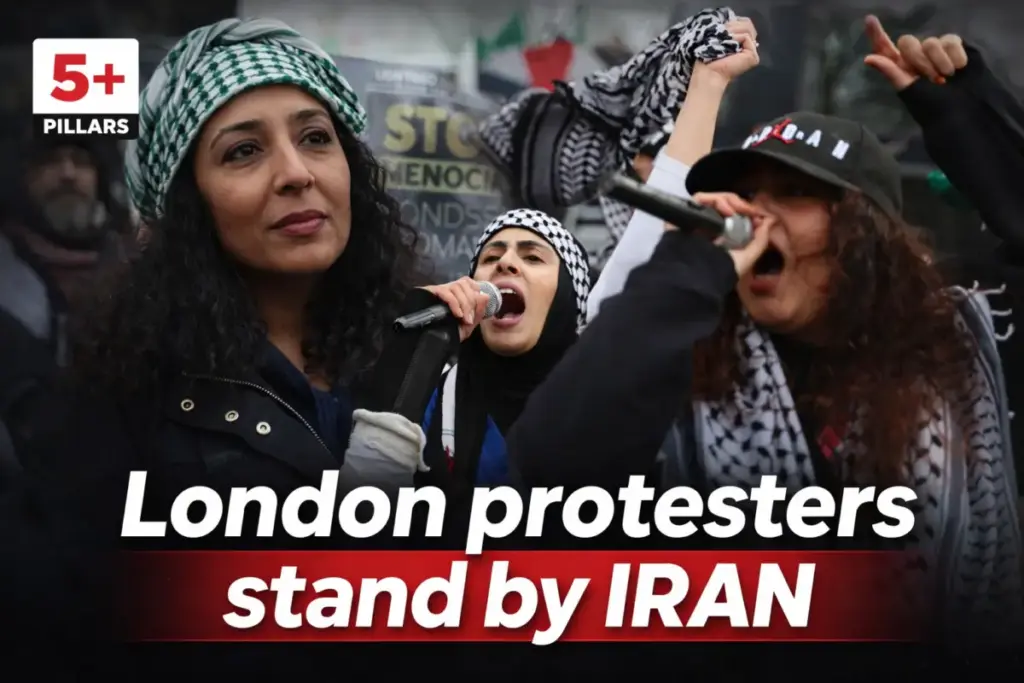
The mass mobilization brought together a diverse coalition of peace activists, community organizers, anti-war campaigners, and concerned citizens who marched through the British capital carrying banners and chanting slogans condemning what speakers described as a reckless campaign pushing the Middle East toward catastrophic wider warfare. Protesters underscored their profound anxiety over the humanitarian and geopolitical fallout of the hostilities, urging international leaders to prioritize diplomatic resolutions over military interventions.
The atmosphere in central London was charged with urgency as participants converged to make their voices heard against the backdrop of escalating tensions. Activists waved a sweeping array of placards bearing direct messages aimed at key political figures and foreign policy decisions. Prominent slogans visible within the dense crowds included "Stop Trump’s wars," "Tell Starmer: stop arming Israel," "End nuclear hypocrisy," and "Stop bombing Iran." Alongside these pointed political demands, a sea of Iranian and Palestinian flags fluttered above the marchers, symbolizing a broader solidarity among various anti-war movements connecting conflicts across the region.

The demonstration serves as the latest expression of widespread public disquiet within the United Kingdom regarding London’s foreign policy alignment in the Middle East. Speakers and organizers at the rally repeatedly addressed the crowd, emphasizing that the British public has zero appetite for another entanglement in foreign military campaigns initiated by Washington or Tel Aviv. They characterized the current trajectory of Western military strategy as short-sighted, dangerous, and legally and morally indefensible.
Public concern has focused heavily on the actions and statements of Prime Minister Keir Starmer’s administration. Demonstrators specifically called on the UK government to immediately halt the supply and export of British arms to Israel, arguing that military hardware provided by the UK risks being utilized in operations that violate international humanitarian law and exacerbate civilian suffering across multiple fronts. Activists argued that rather than facilitating military escalation, the UK should leverage its diplomatic standing to push for immediate de-escalation, comprehensive ceasefires, and strict adherence to international law.
The anti-war mobilization in London also brought renewed scrutiny to long-standing grievances concerning nuclear policies and double standards in international diplomacy. Protesters highlighted what they termed "nuclear hypocrisy," pointing to the selective enforcement of non-proliferation norms and the unacknowledged nuclear arsenal held by Israel while Western powers aggressively target Iran’s nuclear program. These systemic critiques resonated deeply with the diverse demographic makeup of the march, which featured speakers from various faith, labor, and civil rights backgrounds who united under the common banner of global peace and human rights.

As the procession made its way past iconic London landmarks, marshals managed traffic and ensured the demonstration remained orderly while maintaining a high-visibility presence. The sheer scale of the turnout highlighted a persistent and vocal section of British society that remains profoundly skeptical of Western military interventions abroad, echoing historical anti-war mobilizations that have marked British political life over past decades. Organizers emphasized that Saturday’s march in London is just one part of a broader, sustained national and international effort to resist the push toward a wider war involving Iran, signaling that grassroots pressure on political leaders in Westminster will continue to intensify in the days and weeks ahead as the situation on the ground in the Middle East continues to develop.