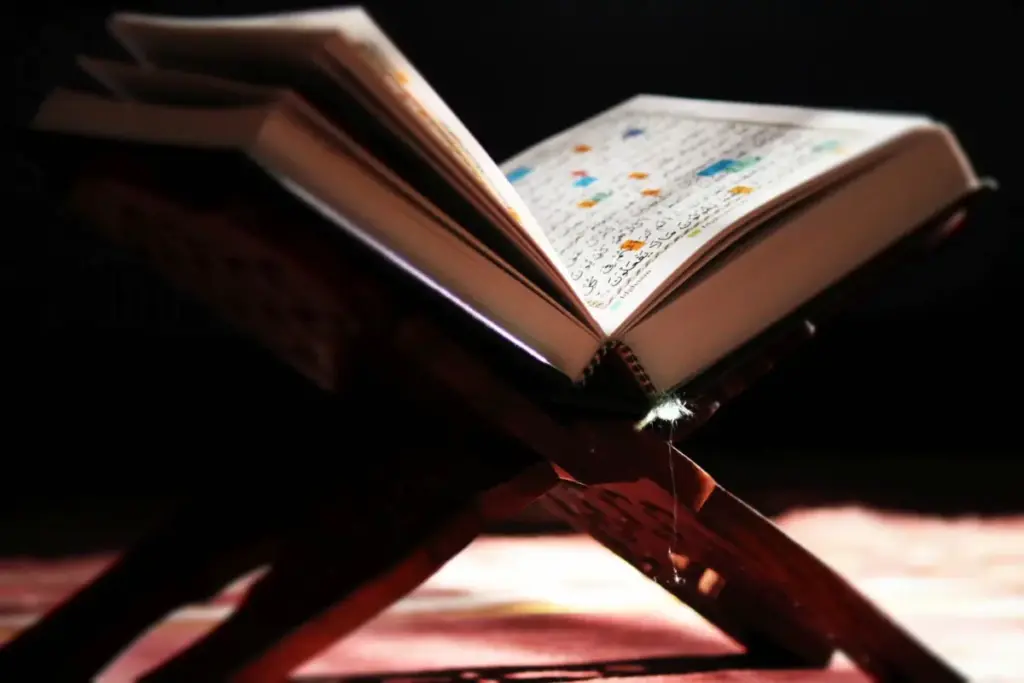
In the latest installment of the acclaimed video series The Eternal Challenge, scholar Sheikh Sohaib Saeed tackles one of the most foundational and recurring inquiries regarding the origins of Islam: Who actually taught Prophet Muhammad the Quran? The episode dives deep into historical and theological arguments, thoroughly refuting persistent allegations that the Prophet was tutored by human clergymen or that he merely compiled and quoted material from earlier scriptures.

The comprehensive discussion forms part of a broader exploration of the Quran’s divine nature, offering viewers a rigorous examination of the text’s authenticity, literary uniqueness, and historical context. Through careful analysis, Sheikh Saeed addresses how skeptics throughout history have attempted to explain away the miraculous nature of the Quran, and why those historical counter-theories ultimately fall short when measured against historical reality.
Unpacking Allegations of Human Tutorship and Scriptural Borrowing
For centuries, critics of Islam have floated various theories to account for the sudden appearance of the Quran in 7th-century Arabia. Among the most common claims addressed by scholars of Islamic history is the notion that Prophet Muhammad—known to history as an unlettered man—must have received secret instruction from contemporary Christian or Jewish scholars, monks, or local clergymen. Others have argued that the Quran is simply a reworked compilation of stories and laws found in earlier Abrahamic scriptures, such as the Torah and the Gospel.

In this episode of The Eternal Challenge, Sheikh Sohaib Saeed systematically dismantles these assertions. By examining the socio-cultural landscape of pre-Islamic Arabia, the personal background of the Prophet, and the profound thematic and stylistic differences between the Quran and existing religious texts of the era, the presentation highlights the implausibility of human authorship or mentorship. The discussion emphasizes that the Prophet’s known biography, combined with the sheer linguistic and theological magnitude of the Quran, renders the human-tutorship theory historically and logically untenable.
The Significance of Prophecies Within the Quran
A significant portion of the video is dedicated to exploring the concept of prophecy and the specific predictive elements found throughout the Quranic text. In theological and historical discourse, a genuine prophecy is defined as foretold news concerning future events that are entirely beyond human calculation, foresight, or logical extrapolation. This distinguishes true prophecy sharply from educated guesses, political forecasts, or wise observations made by astute observers of human nature.

Sheikh Saeed explains that accurate foreknowledge serves as one of the most vital internal proofs for evaluating the truthfulness of a prophetic message. Within the Quran, several passages explicitly foretold events that seemed improbable or impossible at the time of their revelation—such as the eventual victory of the Byzantines over the Persians after a devastating defeat, or specific geopolitical shifts in the Arabian Peninsula. The episode analyzes how these prophecies materialized precisely as predicted, providing an additional layer of verification for those examining the divine origin of the scripture.
Exploring ‘The Eternal Challenge’ Series
Sheikh Sohaib Saeed’s ongoing series, The Eternal Challenge, is designed to guide audiences through a thoughtful examination of the Quran, its preservation, and its timeless appeal. The series addresses both intellectual challenges raised by critics and profound spiritual questions pondered by believers and seekers alike.
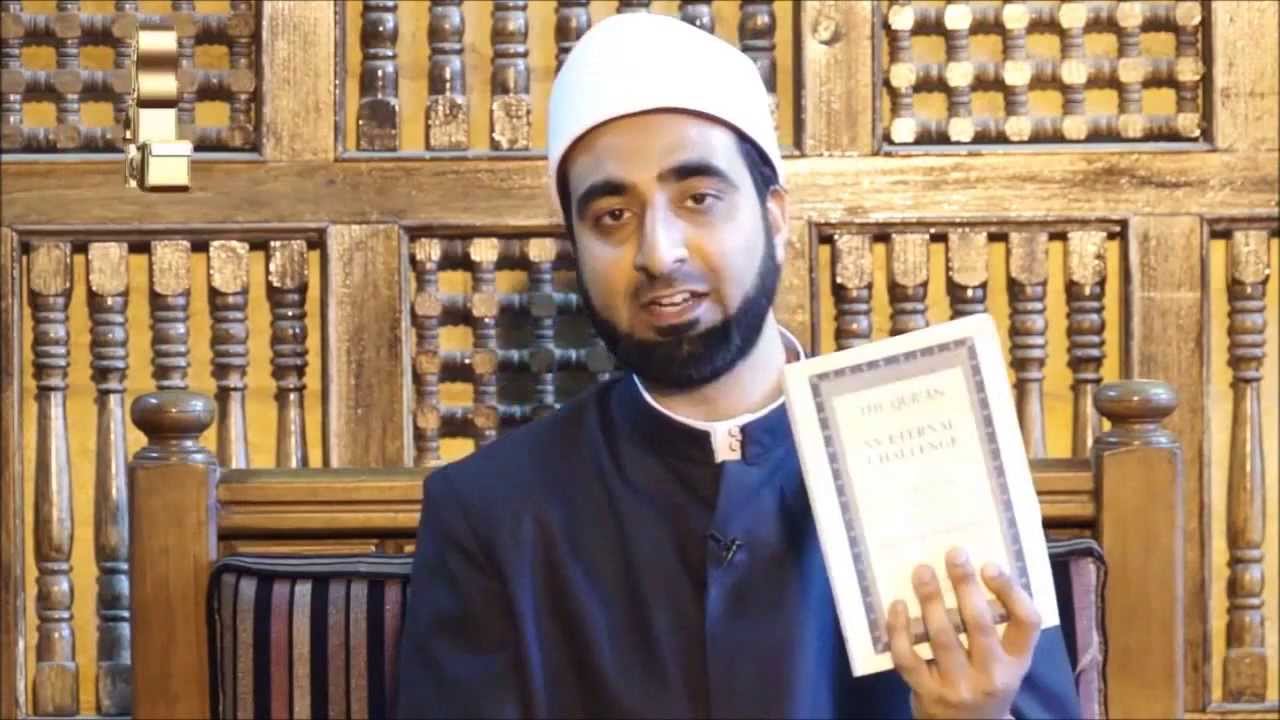
Previous episodes in the series have laid foundational groundwork for understanding the broader implications of the text. In earlier installments, such as "The Eternal Challenge: What is the Quran?", viewers are introduced to the literary and spiritual identity of the final revelation, establishing why the book has commanded the attention of scholars, linguists, and historians for over fourteen centuries.
Further installments, including "Eternal Challenge: Prophet and Book of Allah" and "The Prophet Didn’t Make Quran—Rather, Quran Made Him," explore the unique symbiotic relationship between the final messenger and the revelation he received. These segments delve into how the Quran shaped the character, mission, and worldview of Prophet Muhammad, rather than being a product of his own intellectual or creative output. By presenting these arguments in a structured, accessible manner, the series continues to serve as an important educational resource for contemporary audiences seeking a deeper understanding of Islamic theology and scriptural studies.