By Shariah Editor
16 September, 2026

The ongoing academic and spiritual discourse surrounding the origins of Islam’s holy text has received fresh attention through the latest installment of the popular video series The Eternal Challenge. Hosted by scholar Sheikh Sohaib Saeed, the newest episode directly confronts one of the historical and theological questions most frequently debated by critics and scholars alike: Who actually taught Prophet Muhammad the Quran?
Throughout the episode, Sheikh Saeed systematically addresses and refutes long-standing allegations that the final prophet of Islam was instructed by human clergymen or that he merely compiled and quoted material from previous Abrahamic scriptures. By examining both historical context and the internal structure of the Quran itself, the series aims to provide viewers with a rigorous, analytical defense of the divine origin of the Islamic scripture.

The discussion moves beyond simple refutations to explore a profound theological pillar of the Quran: its explicit prophecies. In theological terms, a true prophecy is defined as precise, foretold news regarding future events that cannot be accounted for by educated guesses, political forecasts, or wise observations. According to the series, the presence of verifiable prophecies within the text serves as one of the most vital empirical and spiritual proofs for establishing the truthfulness of prophets and the divine provenance of their revelations.
The debate over the authorship and source of the Quran is not new. Since the dawn of Islam, skeptics have attempted to attribute the verses of the Quran to external human influences. Critics in early Islamic history occasionally suggested that Prophet Muhammad—who was known in his community as being unlettered—must have had a secret human tutor who instructed him in theology, history, and scripture. Others argued that he synthesized stories and laws from Jewish and Christian traditions.

However, Islamic scholars have consistently maintained that these allegations collapse under close historical and textual scrutiny. Sheikh Saeed’s presentation builds upon this tradition of scholarly defense, utilizing contemporary media platforms and accessible discourse to engage modern audiences who encounter these doubts online and in academic literature. By breaking down complex theological arguments into clear, digestible segments, the Eternal Challenge series continues to serve as a comprehensive resource for students of Islamic studies and individuals seeking a deeper understanding of the faith.
The episode also highlights how the Quran presents its own challenge to humanity: to produce a single chapter or verse like it, emphasizing its unmatched linguistic and literary perfection. This central theme unites the broader goals of the series, which explores the nature of the revelation, the relationship between the prophet and the text, and the profound societal transformation that unfolded in seventh-century Arabia as a direct result of the Quranic message.
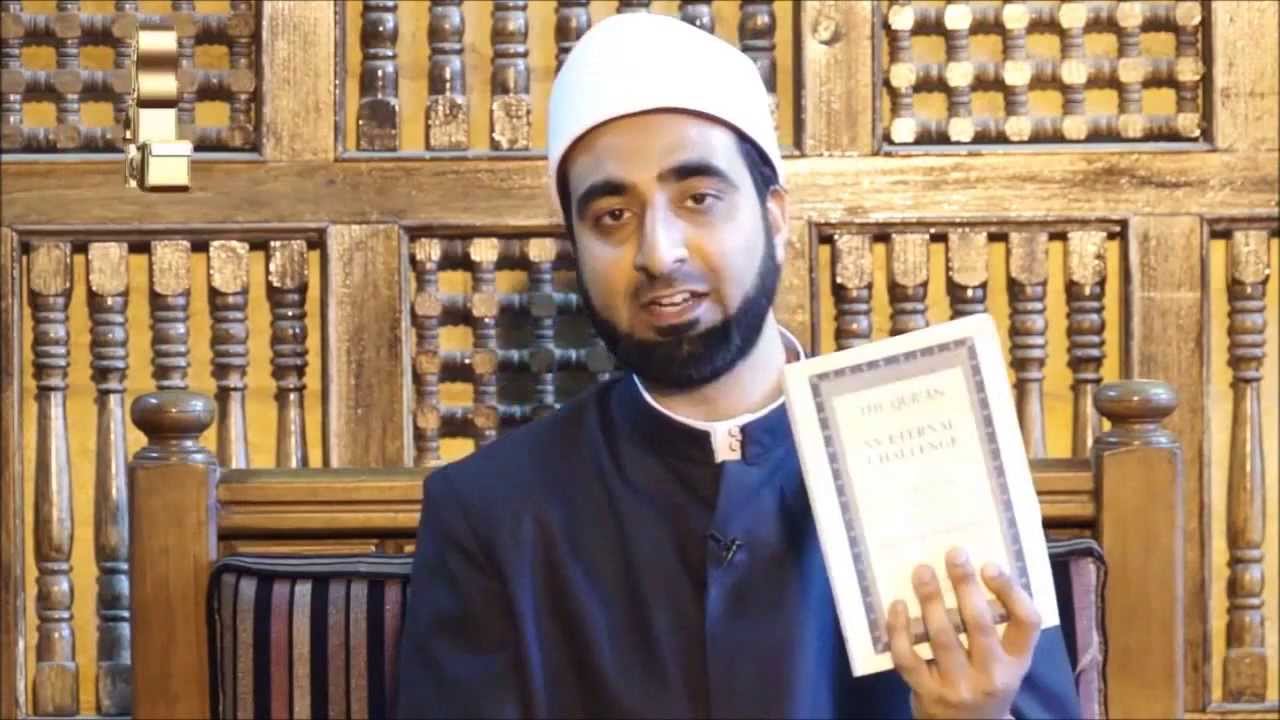
Sheikh Sohaib Saeed, a recognized voice in Quranic studies and the creator behind platforms dedicated to traditional Islamic scholarship and contemporary commentary, has dedicated multiple episodes of the Eternal Challenge to dismantling misconceptions and highlighting the miraculous nature of the text. Previous installments in the acclaimed series have explored fundamental questions regarding the identity of the Quran, the unique dynamic between the Prophet Muhammad and the divine book he received, and the counter-argument that the Prophet did not author the text, but rather that the profound spiritual weight of the Quran shaped and defined his mission.
As online discourse continues to shape how modern believers and skeptics interact with religious texts, productions like The Eternal Challenge offer a bridge between classical Islamic scholarship and contemporary media engagement. The latest episode is currently available for streaming online, offering viewers an in-depth look at the historical integrity of the Quran and the compelling proofs that continue to define Islamic theology.