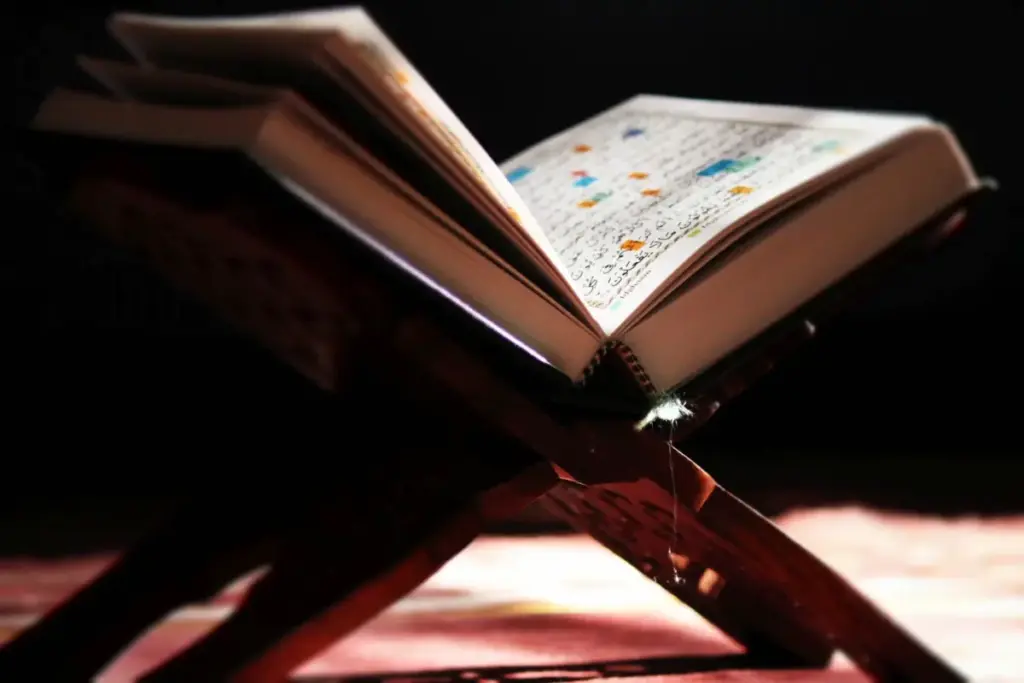
The question of the origins of the Quran and the source of Prophet Muhammad’s profound teachings has long been a subject of historical inquiry, theological debate, and academic study. In a recent episode of his ongoing educational program, the Eternal Challenge series, prominent scholar Sheikh Sohaib Saeed tackles this central question head-on, offering a detailed examination of how the final scripture was revealed and addressing historical allegations regarding its authorship and transmission.

In the episode, Sheikh Sohaib systematically addresses and refutes long-standing claims and allegations that some human clergymen, scholars, or external teachers instructed the Prophet Muhammad, or that he merely compiled or quoted stories and laws from previous religious scriptures. By analyzing the historical context of seventh-century Arabia, the linguistic and literary nature of the Quran, and the life of the Prophet, the discussion provides viewers with a comprehensive look at why these external influence theories do not withstand rigorous academic and historical scrutiny.
Central to the episode’s discussion is the phenomenon of prophecies within the Quran. In theological and historical terms, a true prophecy is defined as foretold news concerning future events that are entirely beyond the scope of human prediction, political forecasting, or educated guesswork. The program emphasizes that genuine prophecy serves as one of the most vital internal proofs for the divine origin and truthfulness of a prophet’s mission. Unlike general wisdom or philosophical observations that can be deduced by thoughtful individuals, specific and accurate historical or eschatological predictions require a source unbounded by the limitations of time.

The episode forms part of a broader, structured exploration by Sheikh Sohaib into the nature of the Quran, the role of Prophet Muhammad, and the unique challenges the Islamic holy book presents to humanity. Throughout the Eternal Challenge series, the scholar has unpacked various dimensions of Islamic scripture, beginning with foundational questions regarding what the Quran actually is and how it establishes its unique position in world literature and religious history.
Previous installments in the series have examined the deeply intertwined relationship between the Prophet and the Book of Allah, exploring how the scripture shaped the character, mission, and historical trajectory of early Islam. Rather than viewing the Prophet as an independent author or literary creator of the text, the series argues that the spiritual and societal reality of the Quran fundamentally molded and directed the prophetic mission, challenging the notion that the text could be attributed to human composition during an era of tribal fragmentation in the Arabian Peninsula.

As discussions surrounding comparative religion, scriptural history, and Islamic origins continue to attract global audiences online and through educational platforms, programs like the Eternal Challenge series aim to provide nuanced, scholarly responses to common misconceptions. By focusing on textual integrity, historical methodology, and the internal coherence of the Quranic text, scholars such as Sheikh Sohaib continue to contribute to contemporary discourse on faith, revelation, and the historical legacy of Prophet Muhammad.