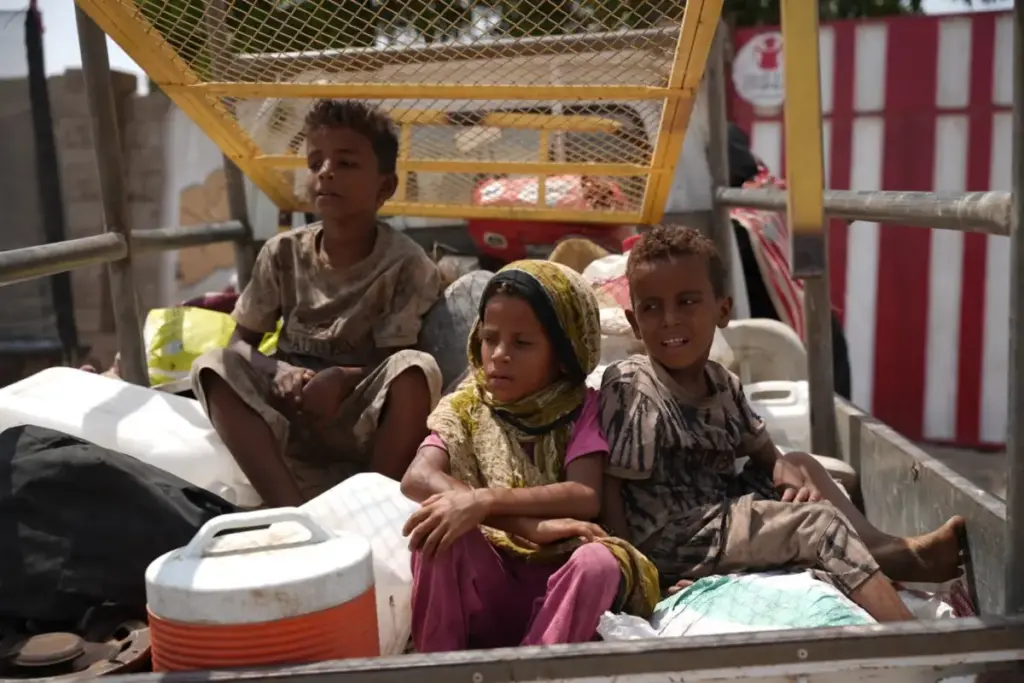
An escalating wave of armed conflict across Yemen has forced tens of thousands of families to flee their homes, driving a surge in urgent humanitarian needs throughout a nation already crippled by a prolonged and devastating crisis. According to humanitarian reports, intense fighting has triggered widespread displacement since the beginning of August, with more than 146,000 people uprooted in a desperate search for safety.
Many of those displaced are arriving at makeshift camps and temporary shelters carrying little more than the clothes on their backs. Having left behind their livelihoods, personal belongings, and communities, these vulnerable families require immediate humanitarian assistance to survive the coming days and weeks. The sudden influx of displaced populations has severely strained local resources, compounding an already fragile situation.
Thousands of Families Urgently Need Food, Shelter, and Clean Water
The southwestern city of Taiz has borne the brunt of the recent violence, recording the highest level of displacement since the escalation began. More than 80,000 new arrivals have flooded into the city and surrounding areas since September 1. In addition to Taiz, significant population movements have been documented across several other governorates, including Lahj, Hodeidah, Aden, and Abyan, where local infrastructure is buckling under the pressure.
For families forced to flee their homes overnight, finding a safe place to sleep marks only the initial challenge of survival. The displaced population faces an acute shortage of basic necessities, including food supplies, safe drinking water, proper sanitation, essential hygiene facilities, and functional healthcare services. Newly established displacement sites require urgent interventions, such as the construction of emergency latrines, the establishment of clean water supply lines, and the implementation of effective waste management services to maintain public health standards.
This sudden displacement places an immense burden on host communities, many of which were already grappling with deep-rooted poverty, widespread hunger, and severely limited access to basic public services before the latest escalation.
With few options available, many displaced families have sought shelter in public buildings. In classrooms stripped of their usual purpose, people are sleeping on hard floors with no access to food or safe drinking water.
Khanzad Shah, Islamic Relief’s water, sanitation, and hygiene (WASH) coordinator in Yemen, described the severity of the conditions on the ground as the crisis continues to unfold.
"The number of people fleeing is increasing every day and they face appalling conditions," Shah said. "They don’t have water or food to survive, or cash to buy what they need. In one of the school shelters that we visited, children were crying from hunger. People are sleeping on the floor of overcrowded classrooms. They are drinking contaminated dirty water, and they don’t have decent sanitation facilities."
Shah warned that the compounding factors of overcrowding and lack of clean resources create a dangerous environment for public health.
"These conditions are ripe for an outbreak of deadly water-borne diseases such as cholera," Shah noted.
The risk is amplified by the state of the nation’s infrastructure, which has been shattered by years of ongoing conflict and significant funding cuts. The collapse of the healthcare system makes it exceedingly difficult to control disease outbreaks and save lives when emergencies strike. Essential services have been starved of financial support over the past few years, leaving health facilities severely under-resourced. In Taiz alone, approximately 59 percent of health facilities are currently non-functional, leaving communities vulnerable to preventable illnesses and injuries. Humanitarian workers emphasize that without a significant increase in aid, many lives remain at risk.
Before this latest wave of conflict and displacement, Yemen was already confronting one of the world’s most severe humanitarian emergencies. An estimated 22 million people across the country were reliant on humanitarian assistance to meet their basic daily needs, a testament to the cumulative impact of years of instability, economic collapse, and restricted access.
Islamic Relief’s Response
In response to the escalating emergency, aid organizations are mobilizing resources to reach those most in need. Islamic Relief is actively providing more than 500 vulnerable families with direct cash assistance. This financial support gives recipients the flexibility to purchase the items they need the most, ranging from food staples to medicine and infant care supplies, while also supporting local market economies.
The organization’s commitment to Yemen is long-standing, having maintained a continuous operational presence in the country since 1998. Over the decades, Islamic Relief has supported communities affected by ongoing conflict, chronic hunger, and systemic poverty through a variety of targeted programs. These include the distribution of seasonal assistance such as Ramadan food parcels, as well as providing new clothes and meat during Eid celebrations to bring a measure of comfort to struggling families.
Furthermore, the organization currently sponsors 7,973 orphaned children across Yemen. Through this sponsorship program, families receive a monthly financial stipend designed to cover essential living costs, education, and healthcare, offering a vital safety net for some of the society’s most vulnerable members.
Families across Yemen continue to face profound hardship after being forced from their homes with little food, water, or shelter. Humanitarian agencies are calling for sustained international attention and support to address the mounting crisis and deliver lifesaving assistance to those who have lost everything.