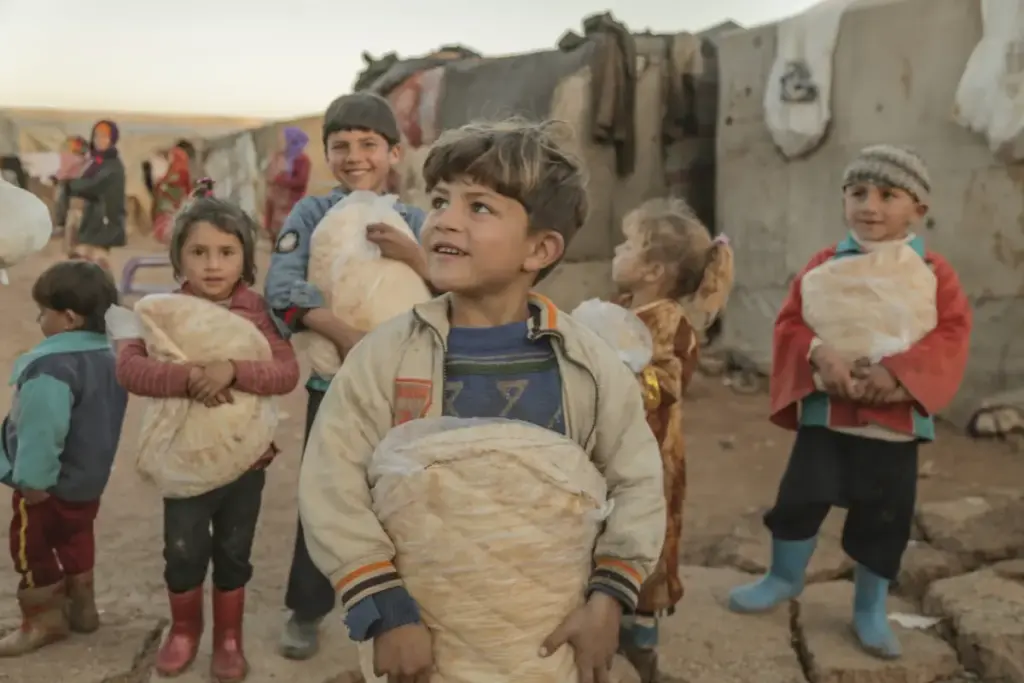
As the relentless wave of violence continues to sweep across Yemen, humanitarian organizations are sounding urgent alarms over the compounding threats facing displaced civilians. Islamic Relief, a prominent international aid agency operating on the ground, has issued a stark warning that the mass displacement of families is creating fertile ground for devastating water-borne illnesses, chief among them being cholera. The escalation of conflict in recent days has forced more than 125,000 individuals to abandon their homes, seeking sanctuary wherever they can find it, predominantly in desperate and deeply overcrowded conditions that lack the most basic elements of human survival, such as clean water and adequate sanitation.
The current surge in hostilities has upended tens of thousands of lives, compounding years of hardship in a country already battered by prolonged conflict. Field teams from Islamic Relief are actively responding to the crisis in some of the hardest-hit regions, focusing their efforts on the Taiz, Lahj, and Aden governorates. In these areas, the influx of displaced families has overwhelmed local infrastructure, leaving countless people with nowhere to turn. Many have sought refuge inside crowded school buildings, improvised camps, or directly on the streets, exposed to the elements and lacking any form of sustainable shelter.
Khanzad Shah, who serves as Islamic Relief’s water, sanitation, and hygiene coordinator in Yemen, painted a harrowing picture of the realities on the ground as humanitarian workers struggle to reach those in most urgent need.
"The number of people fleeing is increasing every day and they face appalling conditions," Shah said, detailing the profound deprivation witnessed by response teams. "They don’t have water or food to survive, or cash to buy what they need. In one of the school shelters that we visited, children were crying from hunger. People are sleeping on the floor of overcrowded classrooms. They are drinking contaminated dirty water, and they don’t have decent sanitation facilities."
The absence of safe drinking water and functioning sanitation infrastructure has dramatically elevated the risk of public health catastrophes. According to humanitarian experts, the living conditions endured by the displaced population are precisely those that foster rapid disease transmission.
"These conditions are ripe for an outbreak of deadly water-borne diseases such as cholera," Shah warned, emphasizing the critical vulnerability of communities who are already malnourished, exhausted, and traumatized by the violence that drove them from their homes.
Compounding the immediate threat of disease is the severe deterioration of Yemen’s medical infrastructure. Years of continuous conflict, coupled with drastic funding cuts from international donors, have left the nation’s healthcare system in a state of near-total collapse. Essential medical services have been systematically starved of the financial resources required to maintain operations, procure medicines, and retain qualified staff. This widespread institutional failure has severely compromised the capacity of local authorities and humanitarian agencies to mount an effective response to potential disease outbreaks, threatening to turn a preventable public health crisis into a widespread humanitarian tragedy.
The situation is particularly acute in the Taiz governorate, where infrastructural decay has crippled the delivery of healthcare. In Taiz alone, approximately 59 percent of all health facilities are completely non-functional, leaving hundreds of thousands of people without access to basic medical treatment, emergency care, or preventive health services. Without an immediate influx of humanitarian assistance and emergency medical supplies, humanitarian workers fear that preventable illnesses will claim a heavy toll.
"People will die without more aid," Shah stressed, noting that the combination of displacement, lack of safe water, and a broken healthcare network creates a fatal equation for the most vulnerable populations, particularly young children and the elderly.
The specter of a major cholera outbreak carries terrifying echoes of Yemen’s recent history. The country has previously suffered from catastrophic epidemics of the disease, most notably during a massive outbreak in 2017 that swept across multiple governorates and ultimately claimed the lives of approximately 3,000 people. Public health specialists fear that a resurgence under current conditions—characterized by a heavily damaged water grid, widespread population displacement, and a largely non-functional medical sector—could rapidly eclipse the scale of previous crises, making preventive action and immediate logistical support an absolute imperative for the international community.
In response to the escalating emergency, Islamic Relief is issuing a broad appeal to all parties involved in the conflict to take immediate steps toward de-escalation. The organization is urging combatants to prioritize the protection of civilians and to guarantee safe, unhindered humanitarian access so that life-saving aid can reach populations trapped in conflict zones or isolated by shifting frontlines. Furthermore, the agency is calling upon the wider international community to significantly scale up humanitarian funding for Yemen and to intensify diplomatic efforts aimed at achieving a sustainable, long-term peace to bring an end to the protracted suffering of the Yemeni people.
Islamic Relief has a long-standing operational presence in Yemen, having first established its programs in the country in 1998. Over more than two decades of continuous engagement, the organization has delivered a wide range of vital development and humanitarian projects designed to improve community resilience. These initiatives include large-scale interventions to improve access to clean water and sanitation facilities, programs to strengthen sustainable livelihoods for vulnerable households, comprehensive support systems for orphaned children, and rapid-response emergency relief operations during times of acute crisis. To maximize the effectiveness of its operations and ensure assistance reaches those most in need, Islamic Relief works in close collaboration with a network of local partner organizations embedded within communities across the country.