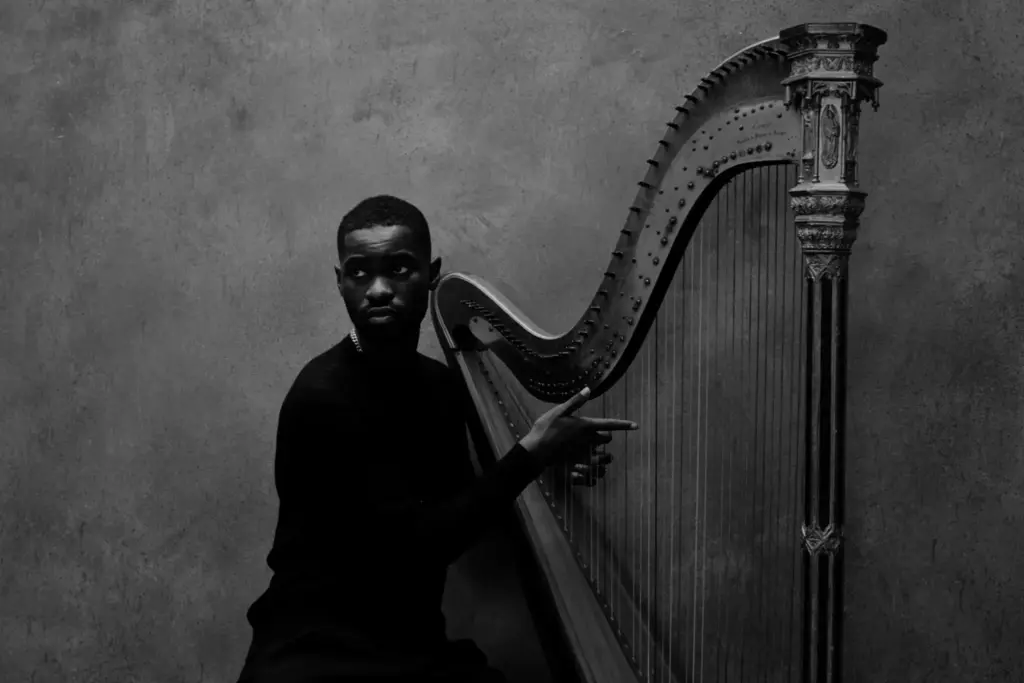
Last month at the V&A East Museum, acclaimed filmmaker, director, and photographer Gabriel Moses sat down for a special installment of the institution’s ongoing series, A Life in the Work of Others. The event invites celebrated artists to offer intimate insights into the people, places, and defining experiences that have shaped their creative trajectories. For Moses—a visionary talent known for his striking work with elite athletes, global brands, and major cultural figures like Skepta and Dave—the conversation offered a rare, reflective look at the foundation of his career.
During the evening, Moses shared five of the most profound inspirations that have guided his artistic journey, tracing a path from his mother’s vibrant flower-arranging and the pages of fashion magazines in his sister’s bedroom to the energy of south London, early collaborations with professional footballers, and the lasting mentorship of the late Virgil Abloh. Through these reflections, Moses painted a picture of a creative life built on authenticity, uncompromising standards, and a deep appreciation for everyday culture.
The Women Who Shaped a Creative Vision
Long before he ever picked up a professional camera or directed a high-profile commercial campaign, Moses was immersed in an environment rich with visual references, largely thanks to the women in his family. Because the household television was originally kept in his sister’s bedroom, Moses spent countless hours there playing video games, surrounded by the physical mood boards of a sibling studying fashion. Her walls were plastered with torn-out pages from publications like Vogue and Dazed, exposing him to high-fashion imagery and editorial layouts from an early age.

Meanwhile, his mother nurtured an environment deeply appreciative of art, photography, and bold aesthetics. Moses recalls that he and his siblings always had well-curated outfits, courtesy of a mother whose hobby of flower arranging instilled in her a profound understanding of color dynamics. Her willingness to make outrageous, unconventional choices with color remains a guiding principle in Moses’s approach to image-making today.
Visual documentation was also a constant thread in the household. Family photo books chronicled the generations, featuring his grandparents growing up in Nigeria, his mother’s early life there, and his own siblings during their childhood years. Having a tangible archive of his family’s history fostered an early love for photography and the preservation of personal narratives.
This foundational support extended far beyond aesthetics into unwavering personal belief. Having moved to London at the age of 18, his mother had spent decades witnessing individuals from all walks of life find their footing and shine in the city. Moses describes her as the kind of mother who would respond with absolute encouragement to any pursuit, telling him that if he wanted to be a postman, he should strive to be the best postman in the world.

That trust was tested when Moses dropped out of university following his first film project with Nike, entering a quiet five-month stretch of uncertainty. Recognizing his determination and drive to succeed, his mother simply gave him the space to work through his ideas. Reflecting on that period, Moses advises other young creatives navigating non-traditional paths to communicate openly, even if it requires putting together a formal presentation to explain their vision to their support systems.
South London Beginnings and Sporting Ambitions
Growing up in south London, Moses was surrounded by tangible examples of excellence in sport and entertainment. It was common to spot figures like Rio Ferdinand and his brother at a local petrol station, providing local youth with the inspiring realization that people from their neighborhoods could reach the pinnacle of professional football at clubs like Manchester United.
Another major local influence was Andy Ansah, a south London figure who transitioned from professional football to choreography for major commercial campaigns. Ansah was a local celebrity, having worked alongside global icons like Ronaldinho and Ronaldo. Beyond serving as an aspirational figure, Ansah actively included local youth by casting neighborhood kids as extras in his commercials. These early experiences on set gave Moses a behind-the-scenes look at the commercial production world, planting the seeds for his own future career.

Like many young people in his community, Moses initially dreamed of a career in professional football rather than the arts. However, during his first year at university, his mother shared news of an illness, prompting a profound moment of reflection. Wanting to make her proud, he began evaluating his hidden strengths and potential avenues for creative expression.
Drawing inspiration from the iconic, high-energy Joga Bonito commercials by Nike that he had watched avidly as a child, Moses decided to try his hand at filmmaking. He reached out to Fikayo Tomori—then playing for Chelsea and now at AC Milan—to propose a short documentary about the footballer’s background and journey. Working alongside friends in familiar environments, they spent six hours producing the piece. Uploading the final product to YouTube delivered an unmatched thrill, proving that the act of bringing an idea to life and sharing it with the world was its own reward.
Buoyed by that initial momentum, Moses produced a similar project focusing on Joe Gomez, who grew up in Catford. Recognizing a young artist trying to carve out a path, Gomez helped finance one of Moses’s earliest independent films when the director was just 18 years old.

A Black-and-White Mindset: Entering the Industry at 18
That early independent work quickly caught the attention of Nike, who reached out shortly after his second video to commission a series of commercials promoting the brand’s new Tiempo football boots. Directing major commercial campaigns at just 18 years old required a distinct level of composure. Moses adopted a professional demeanor, speaking with authority and advocating forcefully for his creative vision. Because he was the exact demographic the brand wanted to reach, he trusted his instincts, creating content that resonated with what he and his peers genuinely wanted to see on screen.
Moses attributes his professional philosophy to his roots in sports. Operating with a straightforward, black-and-white mindset, he recognized that just as an athlete cannot fake their way into the Premier League, a creative professional must ultimately rely on the quality of their output. He understood from the outset that consistently producing strong work is the most reliable catalyst for career progression.
Mentorship and the Influence of Virgil Abloh
As his portfolio expanded, Moses crossed paths with photographer Fabien Montique, who introduced him to Virgil Abloh at the Off-White studio. Though Moses was initially unfamiliar with the broader scope of Abloh’s empire, he was well aware of his groundbreaking sneaker collaborations with Nike.
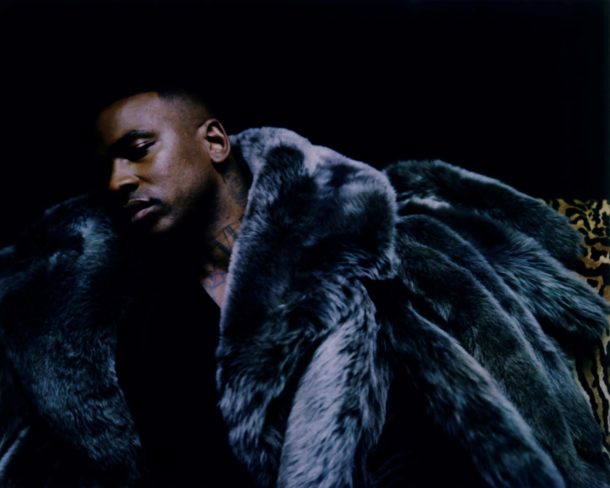
Within the studio, Abloh and his team offered Moses a space to simply exist and create. As a 19-year-old with a camera, Moses found himself documenting backstage fittings, shooting major fashion presentations, and photographing high-profile figures like Bella Hadid. Rather than relying on traditional academic pathways through institutions like Central Saint Martins, his introduction to high fashion came through working alongside a prominent Black artist who was redefining the industry.
Abloh’s radical humility left an indelible mark on the young director. Known for responding to messages promptly—often adding a friendly note accompanied by a rocket emoji—Abloh consistently validated Moses’s work. Those small gestures instilled a profound sense of empowerment, reinforcing the belief that creative boundaries are meant to be pushed and that achieving global success does not require compromising one’s warmth and accessibility.
Everyday People as the Ultimate Muse
Today, Moses remains deeply inspired by everyday creativity, particularly the innovative ways ordinary people utilize social media and mobile technology to express themselves. This fascination with grassroots culture forms the thematic backbone of his professional projects. When directing major brand campaigns, Moses frequently advocates for casting everyday individuals, introducing authentic representations of subcultures that corporate entities might otherwise hesitate to embrace.

Reflecting on his early relationship with his agency, Moses recalls routinely turning down high-paying commercial opportunities to protect his creative vision. He frequently negotiated reduced budgets in exchange for complete artistic control over the direction of the projects, prioritizing creative integrity over billboard placements.
Concluding his talk at the V&A East Museum, Moses offered a final piece of advice to the aspiring artists and creatives in the audience, emphasizing the importance of unwavering self-awareness. He stressed that when creators remain true to themselves and draw from genuine personal influences, the research process becomes intuitive, helping them identify the books, music, and visual references that align with their distinct sensibilities. He also shared a practical habit from his own formative years: writing down a new concept every day, viewing those initial ideas as the true currency of any creative career.